
Last updated November 24, 2026
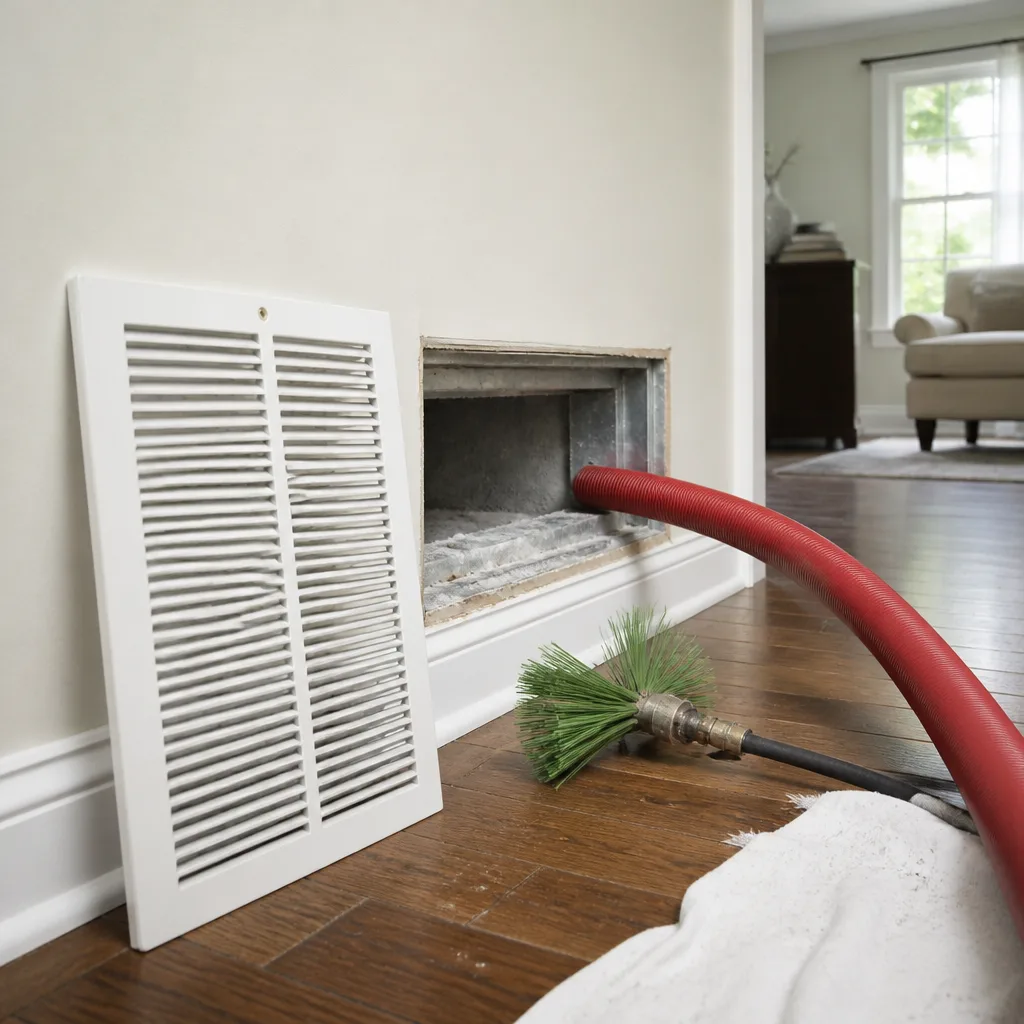 Whole-home duct cleaning
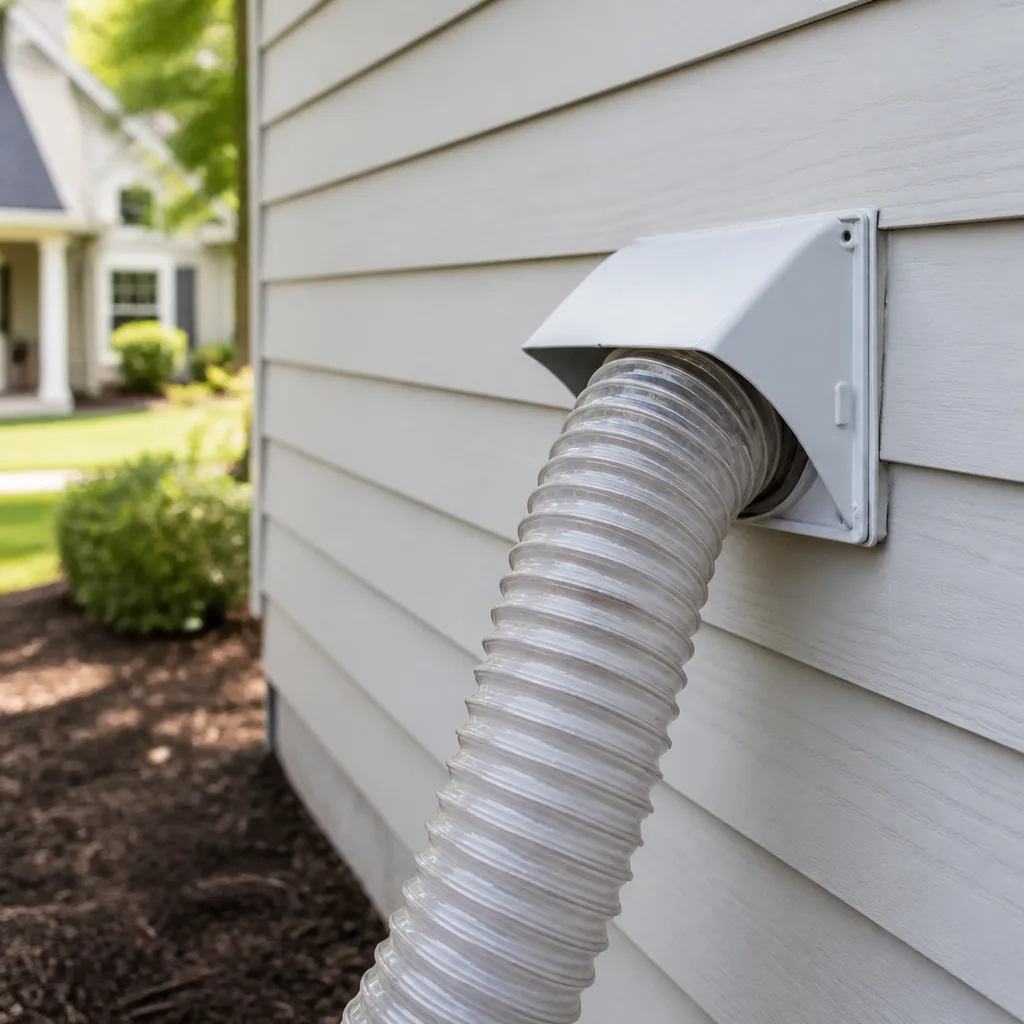 Dryer vent cleaning
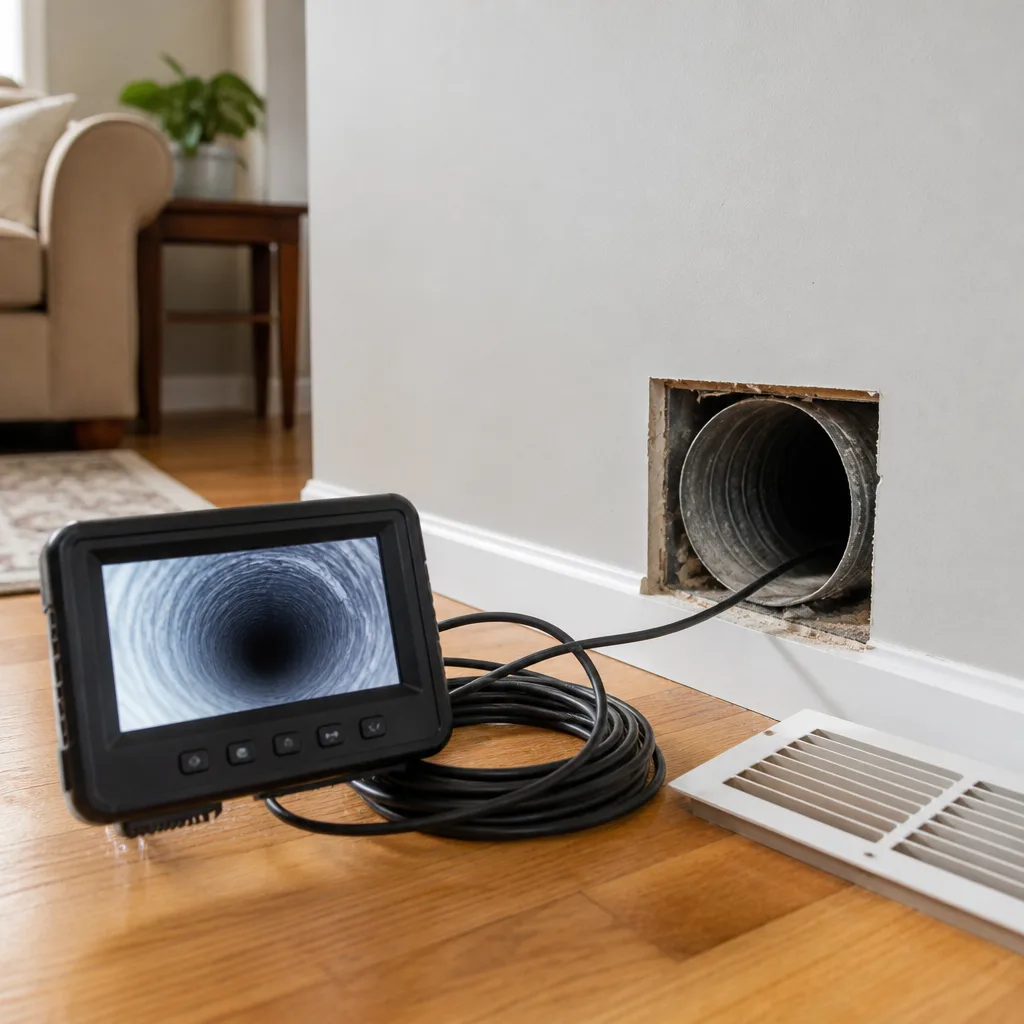 Camera inspection
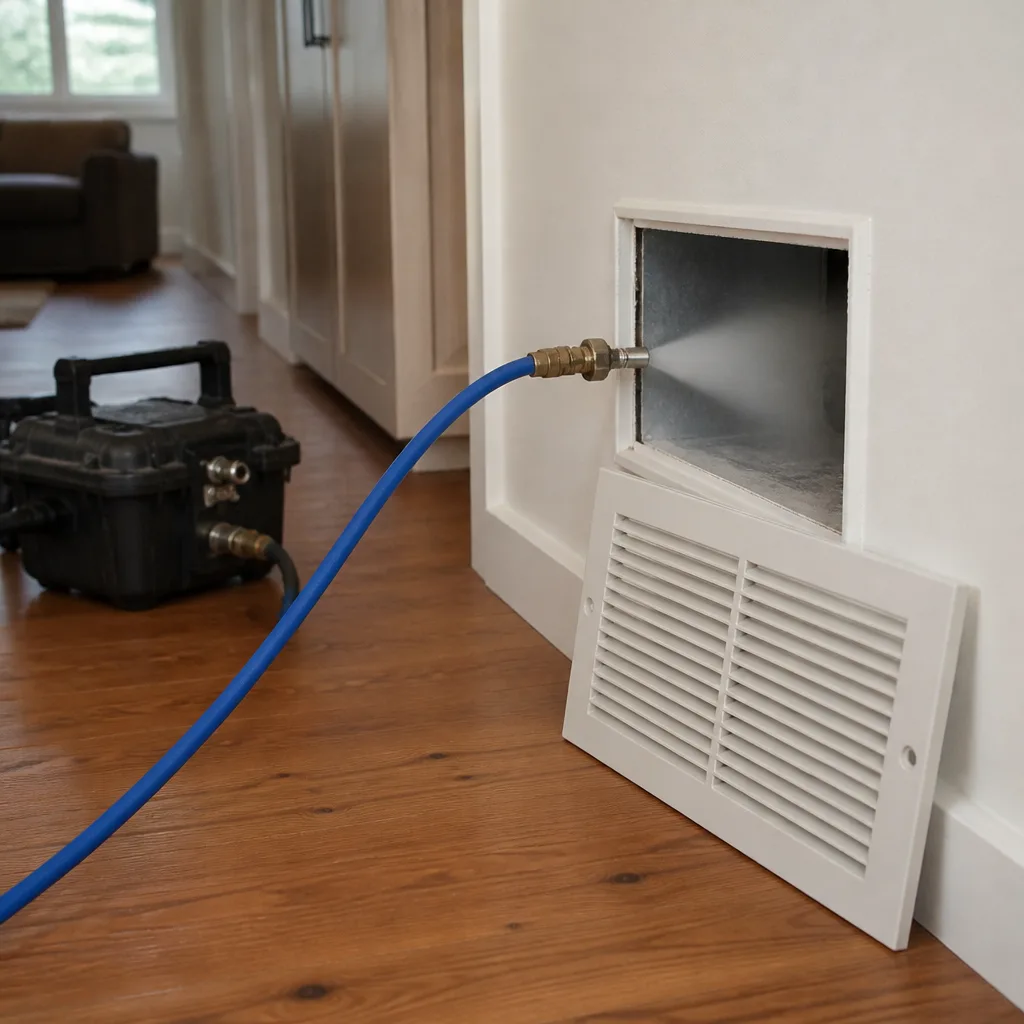 Sanitizing & deodorizing
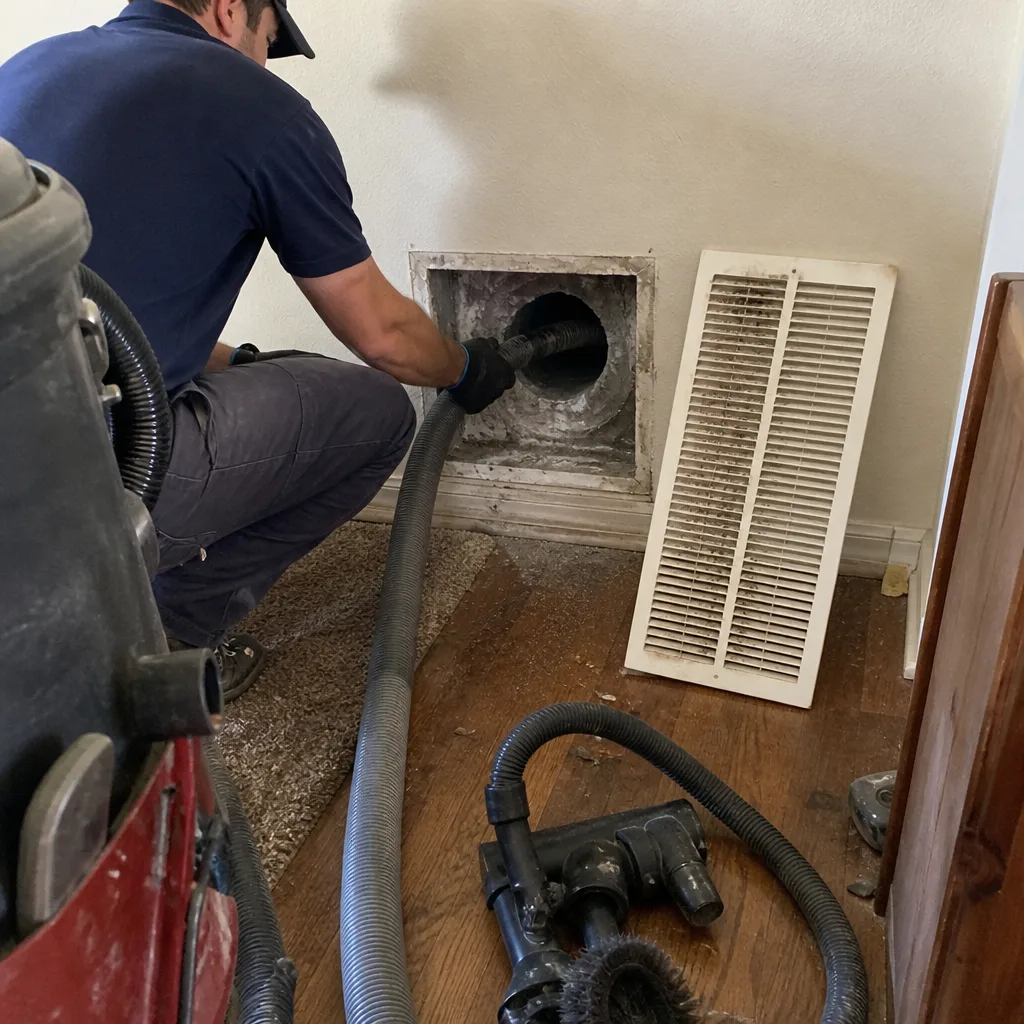
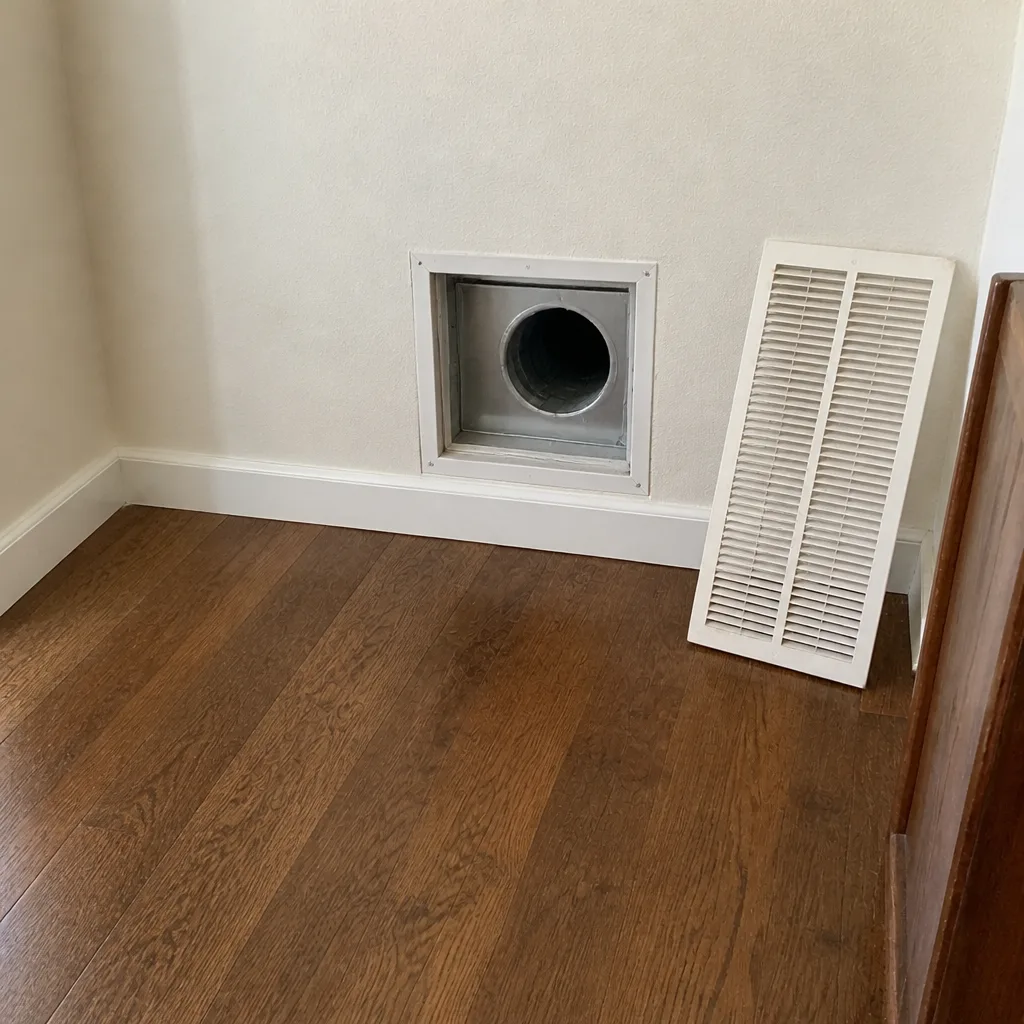
Whole-system duct and dryer vent check with before-and-after photos - you see exactly what came out of your vents
That "$99 whole-house special" is a bait ad - the real number appears once they are in your hallway, or the "clean" is a shop-vac at the register. We photograph the inside of your ducts before and after instead.
How to Hire an Air Duct Cleaning Contractor in Highlands Ranch: A Step-by-Step Guide
Colorado does not require a license to operate as an air duct cleaner. That single fact explains almost everything confusing about hiring one. The company running a $49 coupon special and the specialist following NADCA’s Assessment, Cleaning and Restoration standards are legally indistinguishable on a Google search results page, which means the burden of telling them apart falls on you. This guide gives Highlands Ranch homeowners a vetting process built around three things you can actually verify: the equipment on the truck, the questions a contractor can answer without hesitating, and the paperwork you hold when the job is done. By the end you’ll know exactly what to ask, what a real quote looks like, and what a thorough job leaves behind.
Quick Answer
To hire an air duct cleaning contractor in Highlands Ranch, verify three things before booking: the equipment (professional rotary contact cleaning plus a HEPA-rated vacuum with containment, not a shop vac), the contractor’s NADCA ACR certification status, and the scope in writing with before-and-after photos promised. Ask for a walkthrough-based written quote, never a phone estimate, and refuse vague line items like “full system clean” with no specifics. If a contractor can’t answer the five equipment questions below without pause, that’s your answer.
Styles & brands we work with
- Whole-home duct cleaning
- Dryer vent cleaning
- Camera inspection
- Sanitizing & deodorizing
Table of Contents
- Why Colorado’s Lack of Licensing Changes How You Hire
- The Five Equipment Questions to Ask Before Booking
- What NADCA ACR Certification Actually Certifies
- The Walkthrough a Legitimate Contractor Should Conduct
- How to Read a Duct Cleaning Quote
- Red Flags That Signal a Price-Shopper, Not a Professional
- Post-Job Documentation You Should Receive
- What’s Different About Ducts in Highlands Ranch
Why Colorado’s Lack of Licensing Changes How You Hire
In most trades, the state does some of the vetting for you. A plumber holds a license, an electrician holds a license, and you can look either one up in a state database before anyone knocks on your door. Air duct cleaning in Colorado works differently. There’s no state license requirement, no minimum equipment standard, and no mandated training hours. A crew can print business cards on Monday and be “cleaning ducts” in Highlands Ranch by Friday with nothing more than a portable vacuum and a van.
That absence matters more in Highlands Ranch than it might in some other markets. This is a community where a lot of housing went up in concentrated build cycles, and duct systems in those homes tend to share construction debris, drywall dust, and the same builder-grade flex duct runs. When the local housing stock is this consistent, a bad cleaning job produces consistent bad outcomes across a whole neighborhood. Dust redistributed into living rooms. Flex duct crushed by careless brushing. Caulk and mastic smeared where it does nothing.
So the vetting has to come from you. Not from a license lookup, not from a coupon, not from a star rating. From the questions you ask and the answers you get.
The three things that actually separate professionals
- Equipment. Rotary contact cleaning tools plus HEPA vacuum with negative-air containment. If a contractor can’t name the brands and the method, they don’t own them.
- Certification. NADCA’s ACR (Air Systems Cleaning Specialist) credential is voluntary but verifiable. Ask for the name and check the database yourself.
- Documentation. Before-and-after photos, a written scope checklist, and an itemized quote that shows the walkthrough happened before the price was set.
Get all three and you’re dealing with a professional. Miss any one and you’re rolling dice. This guide walks through each in detail so you know exactly what a good answer sounds like.
The Five Equipment Questions to Ask Before Booking
Equipment separates real duct cleaners from pretenders more reliably than any other signal. A trained contractor will answer these five questions without hesitating, and a price-shopper will either deflect, get vague, or hang up. Ask all five before you let anyone schedule a visit to your Highlands Ranch home.
1. Truck-mounted or portable vacuum, and what’s the CFM rating?
CFM means cubic feet per minute, and it’s the measure of how much air the vacuum can move. Truck-mounted units run higher CFM than portable machines, but the honest answer many good contractors give is that CFM isn’t the only number that matters. What matters is that the vacuum can sustain negative pressure in the duct system while the cleaning tools are running. If a contractor can’t tell you the CFM of the machine they plan to bring, they haven’t done the math on your system. If they say “we use a shop vac,” thank them and hang up.
2. What rotary contact cleaning tools do you use?
This is where the industry split happens. Air-only “blow and go” cleaning hits the duct with a burst of air, dislodges the loose dust, and leaves the stuck-on debris sitting exactly where it was. Contact cleaning physically agitates the duct walls with a rotating brush or whip. Our technicians use Rotobrush rotary contact-cleaning systems specifically because the brush removes what air alone can’t. Ask which tool they use and what it does. If the answer isn’t “contact cleaning,” you’re getting a surface wipe.
3. What HEPA vacuum and containment system do you bring?
HEPA filtration is the difference between capturing what you dislodge and blowing it back into the house. The gold standard is a HEPA-rated vacuum paired with negative-air containment, so any particles that escape the duct are pulled into a contained zone rather than spread into your living room. Our crews run Nikro HEPA-rated vacuum systems on every job, and we keep Abatement Technologies containment equipment available for jobs with mold, heavy debris, or post-remediation air pathways. Ask what they use. If “shop vac” comes up again, you know.
4. Do you use negative-air containment, and when do you set it up?
Containment should be discussed as a standard part of the job, not a premium add-on. The answer you want is specific: “We set it up before cleaning starts, we run it for the duration, and we check the seals before we pack it out.” The answer that should concern you is “We don’t usually need it.”
5. What protection do you use for my home’s interior?
Good contractors cover your floors and furniture as a matter of course. Our technicians use Guardsman surface-protection products around work zones. This is a small detail that separates the crews who treat your home like theirs from the ones who leave drywall dust on your baseboards.
If a contractor answers all five with specifics, equipment brands, and a clear method, you’re dealing with a serious operator. If they stumble, deflect, or try to move the conversation to price, keep looking.
What NADCA ACR Certification Actually Certifies
NADCA is the National Air Duct Cleaners Association, and its ACR, or Air Systems Cleaning Specialist, credential is the closest thing this industry has to a professional standard. It’s a voluntary certification, which means no one requires it. That’s also what makes it useful. A contractor who bothered to earn it has demonstrated something the state of Colorado didn’t ask them to prove.
The ACR credential is built around NADCA’s ACR standard, which sets out what a proper cleaning job should look like: the assessment before cleaning, the sources of contamination to address, the methods to use, the documentation to leave behind. Certified technicians test on that standard. It covers the full air pathway, not just the duct runs, which is why it aligns with how we approach the five service categories we handle: duct cleaning, HVAC cleaning, dryer vent cleaning, duct repair and sealing, and air quality sanitizing.
How to verify a contractor’s status in real time
- Ask for the name of the person holding the certification. NADCA certifies individuals, not companies.
- Ask for the certification number if they have it handy, and don’t accept “we’re NADCA certified as a company” as an answer to that question.
- Look up the certification on NADCA’s website using the directory search. The status should show as active.
- Confirm the name on the search result matches the person actually showing up at your door.
If the contractor can’t produce a name, that’s a signal. If they can produce a name but the status shows expired or the name doesn’t match, that’s a stronger one. Certification is voluntary in Colorado, which means an unverifiable claim is even less useful than no claim at all.
The Walkthrough a Legitimate Contractor Should Conduct
A quote without a walkthrough is a guess dressed up as a price. Duct systems vary enormously: how many runs, how much flex versus rigid, how accessible the main trunk, how many returns, whether there’s any accessible contamination source. None of that is visible from a phone call. Any contractor quoting you over the phone without asking for system size data or scheduling a walkthrough is either estimating from a formula that will collapse once they arrive, or planning to change the number mid-job.
Here’s what the walkthrough should look like when a professional does it in your Highlands Ranch home.
- They ask about the home and its history. Pets, recent renovation, water damage, smoking, how long you’ve lived there, whether the ducts have been cleaned before. All of that shapes what they’ll find.
- They count the supply and return vents. Not to price per vent, but to size the job and confirm the vacuum can handle the system volume.
- They open the air handler or furnace cabinet. The blower compartment, filter slot, and evaporator coil area tell them a lot about duct condition without opening a single duct run.
- They inspect at least one accessible duct run with a camera or by removing a boot. This is where they see the actual debris load and whether there’s anything visible that suggests water intrusion or contamination beyond ordinary dust.
- They check flex duct condition. Crushed or kinked flex duct is common in Highlands Ranch homes, and a proper cleaning might not be possible without addressing the damage first. A good contractor tells you that on the walkthrough, not after the cleaning.
- They discuss scope before price. The conversation should cover what they’ll clean, what they’ll document, and any findings that would need follow-up work like duct sealing or HVAC cleaning.
- They write the quote in front of you or send it within a day. Not “roughly $400.” Line items.
This walkthrough should be free, and it shouldn’t come with pressure to book. A contractor confident in the quote doesn’t need to close you on the spot.
How to Read a Duct Cleaning Quote
An itemized quote is a short document that tells you exactly what you’re buying. A vague quote is a document that gives the contractor room to add charges or skip steps depending on how the day goes. Learning the difference protects you from the biggest complaint in this industry: the coupon price that becomes a much larger invoice once the equipment is unloaded.
What should be itemized
- Number of supply and return vents included in the price.
- Type of cleaning method (contact cleaning with rotary tools, not “air sweep”).
- Vacuum and containment equipment being used, ideally with brand names.
- Access work (removing and reinstalling registers, cutting access panels if needed).
- Sanitizing or sealing, if applicable, as a separate line, never bundled invisibly.
- Documentation promised, specifically before-and-after photos and a written scope checklist.
- What’s excluded, clearly stated (for example, “HVAC coil cleaning quoted separately if needed”).
What vague line items signal
Watch for these phrases:
- “Full system clean.” Full of what? What’s the scope?
- “Complete home duct service.” Sounds comprehensive, tells you nothing.
- “Includes sanitizing.” With what product, applied how, and is it optional?
- “Per-vent pricing” with a low per-vent number. This is where bait-and-switch lives. Per-vent quotes strip the incentive to clean thoroughly and inflate as soon as the vent count is higher than estimated.
Our pricing works the opposite way: one flat price per system, agreed before work starts, based on the walkthrough. No per-vent math, no surprise invoice. If you want a straight answer on what a good duct cleaning actually costs, that’s the model to look for, and it’s the one we use when you book air duct cleaning in Highlands Ranch.
Red Flags That Signal a Price-Shopper, Not a Professional
Red flags in duct cleaning are consistent. They show up on the website, on the phone, and at the door. Learn to spot them early and you’ll save yourself a wasted morning and a compromised HVAC system.
- Coupon pricing way below the local range. A price that undercuts everything else in the market has to be made up somewhere: reduced scope, upsells once on site, or a labor pool that isn’t trained.
- Phone-only quotes. No walkthrough, no questions about system size, no curiosity about the home. That’s not a quote, it’s a teaser.
- Pressure to book on the first call. “This price is good today only.” Real contractors don’t run their business on expiring offers.
- No named equipment. If a contractor can’t name the equipment they use, they either don’t own professional-grade equipment or don’t know what they have.
- “NADCA certified” as a company claim only. Certification attaches to individuals. A company claim with no name is a marketing line.
- No mention of documentation. Photos, scope checklists, and follow-up reports are standard practice for professional crews. If they don’t bring them up, they don’t do them.
- Sales-heavy websites. Pages full of urgency, testimonials, and discount language, and light on equipment and process specifics. The gap tells you where their attention goes.
None of these flags is fatal on its own. A cluster of them is.
Post-Job Documentation You Should Receive
A thorough duct cleaning leaves a paper trail. Not literal paper, necessarily, but a documented record of what happened and what it looked like before and after. If a contractor walks out of your Highlands Ranch home with nothing but a receipt, you have no way to confirm the work was done as quoted.
Here’s what you should receive after a professional job.
- Before-and-after photos. Specifically of your duct interior, not stock photos. Supply runs, return runs, and the air handler access point. The photos should be recognizable as your home’s duct system.
- A scope checklist. A written list of what was cleaned, the methods used, and any areas that were not accessible.
- Equipment and method confirmation. A short summary of the vacuum and containment used, and whether sanitizing was applied (and with what).
- Findings that need follow-up. Anything the crew observed that wasn’t part of the original scope: crushed or kinked flex duct, damaged insulation on the inside of the duct, evidence of moisture, air leaks at joints that could benefit from sealing.
- Filter recommendation. The MERV rating that matches your system (going too high restricts airflow; going too low does nothing), and whether the filter was changed on the day.
These are also the documents you should ask about before the job, not after. “Will I get before-and-after photos?” should be a question on your vetting list. If the answer is yes, ask to see the format. If the format is “we’ll send a few phone pics,” that’s fine, but you should get them without chasing.
What’s Different About Ducts in Highlands Ranch
Highlands Ranch sits at elevation and in a dry, high-plains climate. That matters for duct work in ways you don’t think about until you’ve lived here a few seasons.
Dry air, static, and dust load
Low humidity increases static charges in the air stream, which makes fine dust stick to duct walls more tenaciously than it would in a wetter climate. That’s one reason air-only cleaning underperforms here: the dust that’s stuck won’t just blow loose, it needs contact cleaning to break the adhesion. It’s also a reason interior filtration upgrades matter. A properly matched filter and a sealed return system do more for air quality in Highlands Ranch than they would in a humid market, because the dust load is higher and the house is closed up more of the year. Honeywell and Aprilaire filtration and humidity-control products are the kind of upgrades that make a measurable difference here, and they’re the type of recommendation our technicians can pair with a cleaning job rather than handing off to another contractor.
The construction cycle and what it left behind
Highlands Ranch grew fast during concentrated build cycles, and a lot of homes still carry construction debris that got into the ductwork during the building process: drywall dust, sawdust, dry-fit debris. In homes that have been renovated since, the load compounds. A home that’s never had a proper contact cleaning tends to show heavy debris at the air handler and along the trunk lines, especially where flex duct was cut and installed on site.
Mixed HVAC types
Homes in Highlands Ranch span a range of HVAC configurations, from basic forced-air furnace and coil setups to homes with zoning or heat pump systems. That changes the cleaning approach. Some systems have more accessible duct runs than others, and some have return paths that need separate attention from supplies. A contractor who can explain the difference for your specific system, on the walkthrough, is one who’s familiar with the housing stock. One who treats every home the same is one who’s going to miss something.
We handle the full air pathway because the pieces interact. Cleaning ducts without checking the HVAC cleaning side of the system leaves a contamination source in place. Cleaning without checking duct sealing (or repairing breaks) leaves the whole system leaking air after the cleaning is done. If you want the full picture for your Highlands Ranch home, Highlands Ranch Air Duct Cleaning Pros is the place to start.
Common Mistakes to Avoid
- Booking on the phone without a walkthrough. Phone quotes without system size data are guesses. They lock you into a price that changes once the crew arrives, and they signal that the contractor doesn’t care to know your system before quoting it.
- Confusing “NADCA certified” with the technician actually being certified. NADCA certifies individuals. Ask for a name, then verify the name on NADCA’s site. A company-level claim with no individual behind it is marketing copy.
- Accepting per-vent pricing as standard. Per-vent pricing is inconsistent with how a thorough job is done in Highlands Ranch homes. A flat price per system, quoted after a walkthrough, is the model that keeps scope honest.
- Skipping the equipment questions. A shop vac plus a business card is legal in Colorado. It’s also not duct cleaning. Ask about rotary contact tools, HEPA vacuum, and containment before you book, not after.
- Not asking what the documentation looks like. Before-and-after photos and a scope checklist are easy to promise and easy to skip. Get a confirmation of the format before the crew shows up so you’re not chasing them afterwards.
- Ignoring follow-up findings. If a crew flags crushed flex duct, moisture, or an air leak, that needs a plan. In Highlands Ranch’s dry climate, small leaks and damaged runs do more damage over time than most homeowners expect.
- Assuming a new-build home doesn’t need cleaning. Construction debris is one of the most common loads we find in Highlands Ranch duct systems. If the home went up in a build cycle and never had a contact cleaning, the debris is still in there.
See the difference
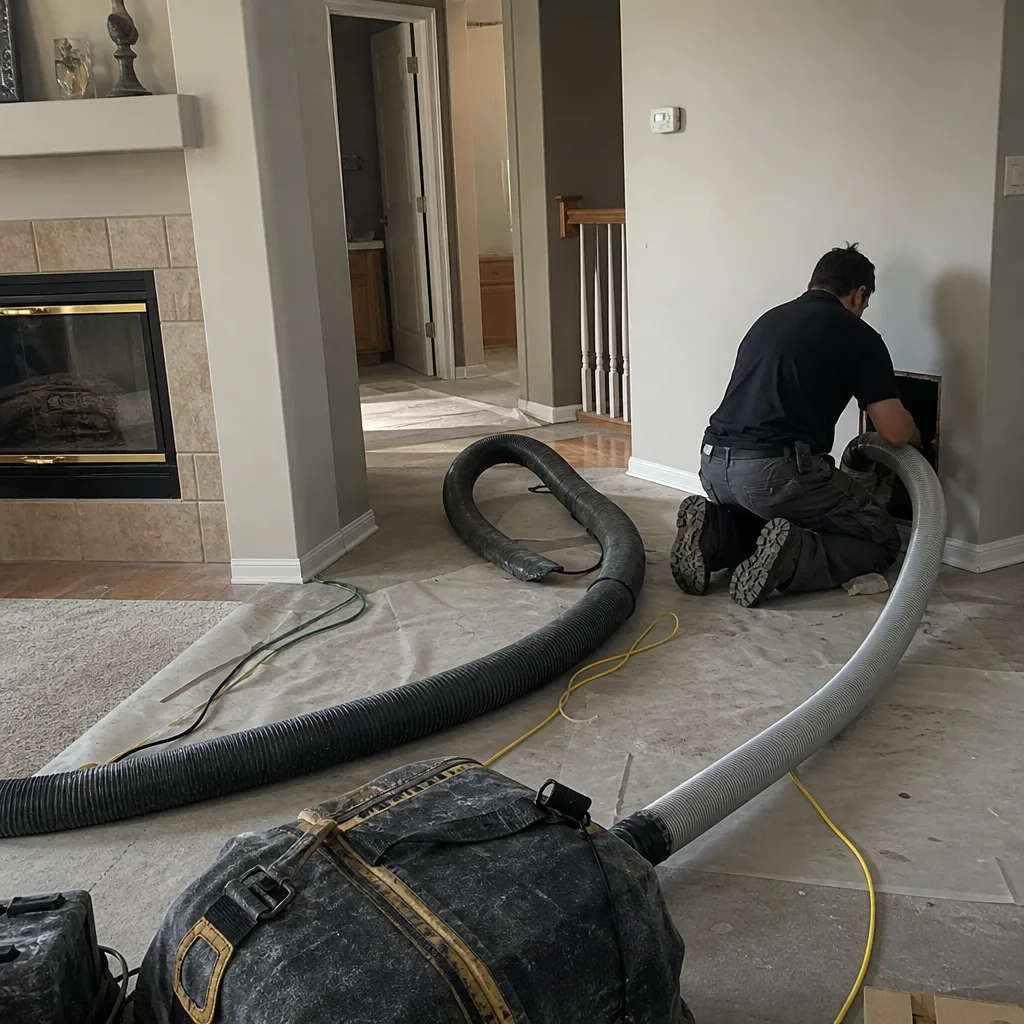 Before
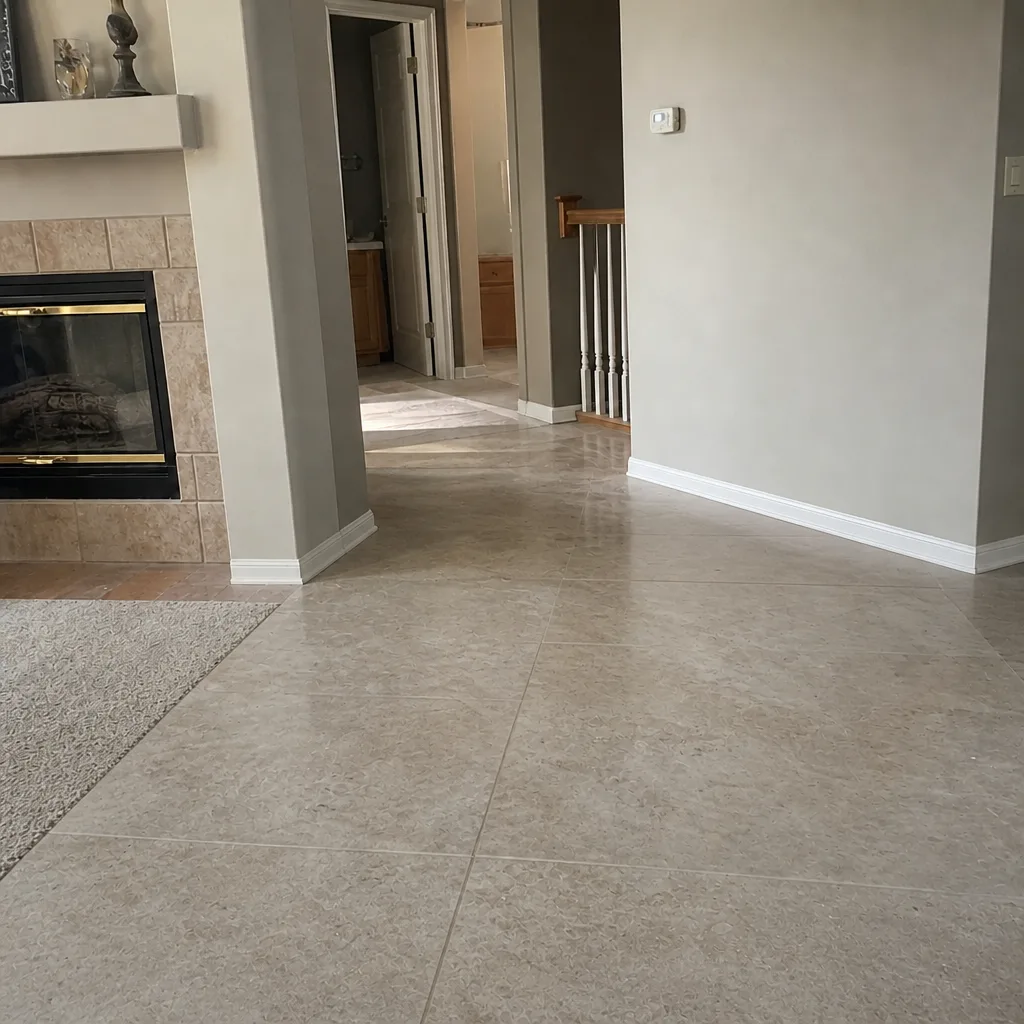 After
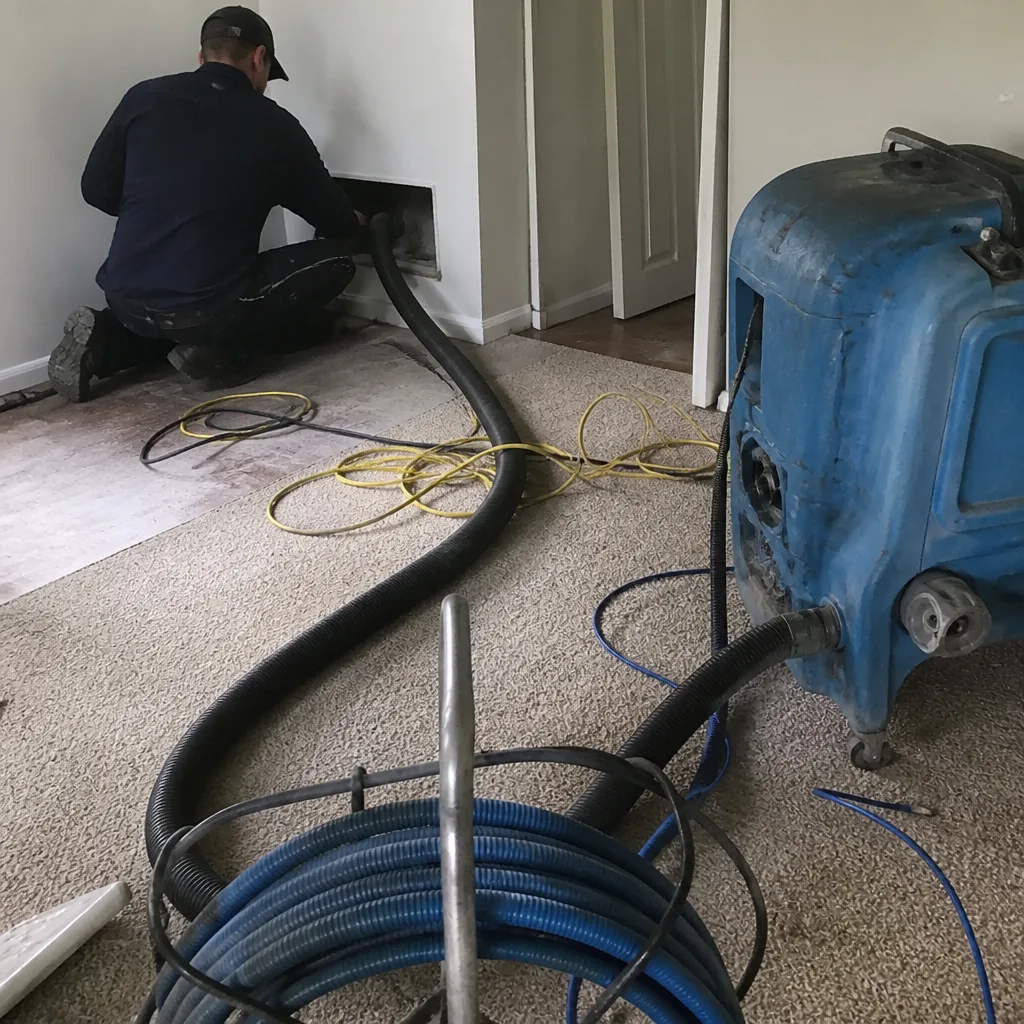 Before
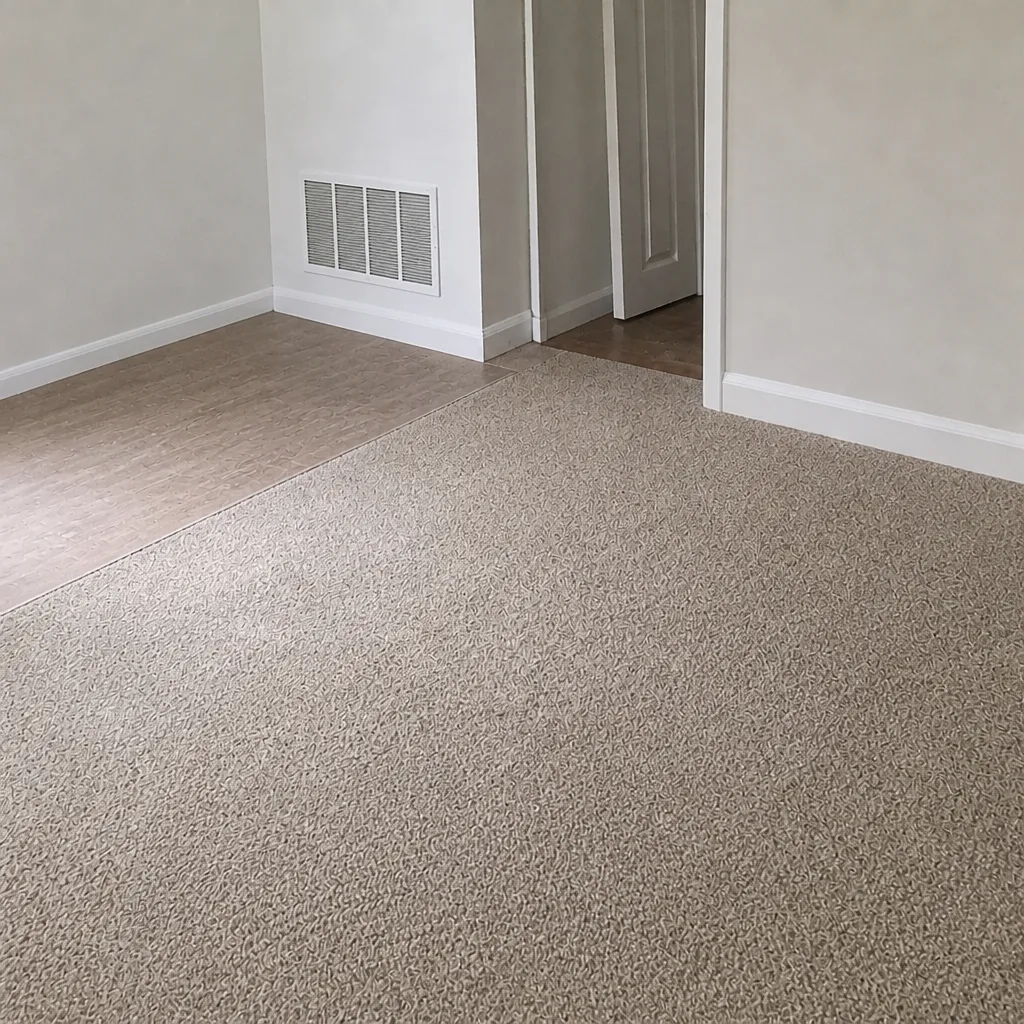 After
 Before
 After
When to Call a Professional
Some situations call for a professional assessment, not a “we’ll get to it eventually” approach. If you’re seeing visible dust blowing from supply registers right after a filter change, that’s a signal worth investigating. If someone in the household has allergies or asthma that seem to get worse indoors, duct condition is one of the first things to rule out. Recent renovations, a new puppy or cat, a newborn in the house, or a home you just bought with an unknown duct history all qualify. Visible mold on a register or duct access panel, a musty smell when the system kicks on, or a dryer that takes two cycles to dry a load (which points to a clogged dryer vent) are also reasons to act. Highlands Ranch Air Duct Cleaning Pros offers free estimates in Highlands Ranch – call (833) 513-8872. We answer 24/7. Fast dispatch from 7am to 7pm, Sunday through Friday.
Frequently Asked Questions
Air duct cleaning in Highlands Ranch typically falls into a range based on system size, number of vents, and whether sanitizing or repair work is included, with the written estimate setting the final price. Anyone quoting you a number over the phone without seeing the system is guessing. Call (833) 513-8872 for an exact quote – estimates are free.
Cheap quotes usually have a hidden trade-off: reduced scope, air-only cleaning instead of contact cleaning, an upsell once the crew arrives, or per-vent pricing that inflates with the vent count. A price that undercuts the market by half is missing half the job. If you want a flat number that holds, call (833) 513-8872 and we’ll walk the system before we quote it.
You’ll receive before-and-after photos of your own duct runs, a scope checklist showing what was cleaned and what wasn’t accessible, and a summary of any follow-up findings. That’s what we send after every job. If a contractor can’t tell you what documentation they provide, that’s your answer. Call (833) 513-8872 to ask about ours.
No. Colorado doesn’t license air duct cleaners, and NADCA certification is voluntary. That’s exactly why it carries weight as a vetting signal: a contractor who holds the ACR credential chose to meet a standard the state didn’t impose. Ask for the individual technician’s name and verify the status on NADCA’s directory before booking.
There’s no single schedule that fits every home, but the usual triggers are recent construction, a new pet, allergies or asthma in the household, a recent move into a home with unknown duct history, or visible dust from the registers. Homes with pets or in active renovation cycles tend to need attention more often. Call (833) 513-8872 for a free walkthrough – we’ll tell you what your system actually shows.
The full pathway is what matters: ducts, the HVAC unit, the air handler, and the dryer vent all interact. Cleaning ducts while leaving a contaminated HVAC unit in place leaves the source. Cleaning without checking duct sealing or looki
ng at the return path leaves leaks. Our technicians handle all five service categories under one roof so you’re not coordinating three contractors. Call (833) 513-8872 for a free estimate.
The Bottom Line
Colorado doesn’t license duct cleaners, so the vetting falls on you. The good news is that the vetting is straightforward: ask the five equipment questions, verify NADCA certification by name, insist on a walkthrough before any quote, require an itemized scope, and expect before-and-after documentation after the job. Get all four and you’re working with a professional. Miss any one and you’re exposed to the bait-and-switch pattern that defines this industry. Highlands Ranch homes carry specific duct loads (construction debris, dry-air static, mixed HVAC types), which makes thorough contact cleaning more important, not less. Do the walkthrough, ask the questions, and hold onto the documents. That’s the whole process.
If you want a straight answer on your Highlands Ranch home’s duct condition without pressure or a teaser price, give us a call at (833) 513-8872 for a free estimate. We answer 24/7. Fast dispatch from 7am to 7pm, Sunday through Friday. Our technicians have up to 14 years of experience, and we bring professional-grade Rotobrush, Nikro, and Abatement Technologies equipment to every job, with one flat price per system agreed before work starts.
Written by the team at Highlands Ranch Air Duct Cleaning Pros.