
Last updated November 24, 2026
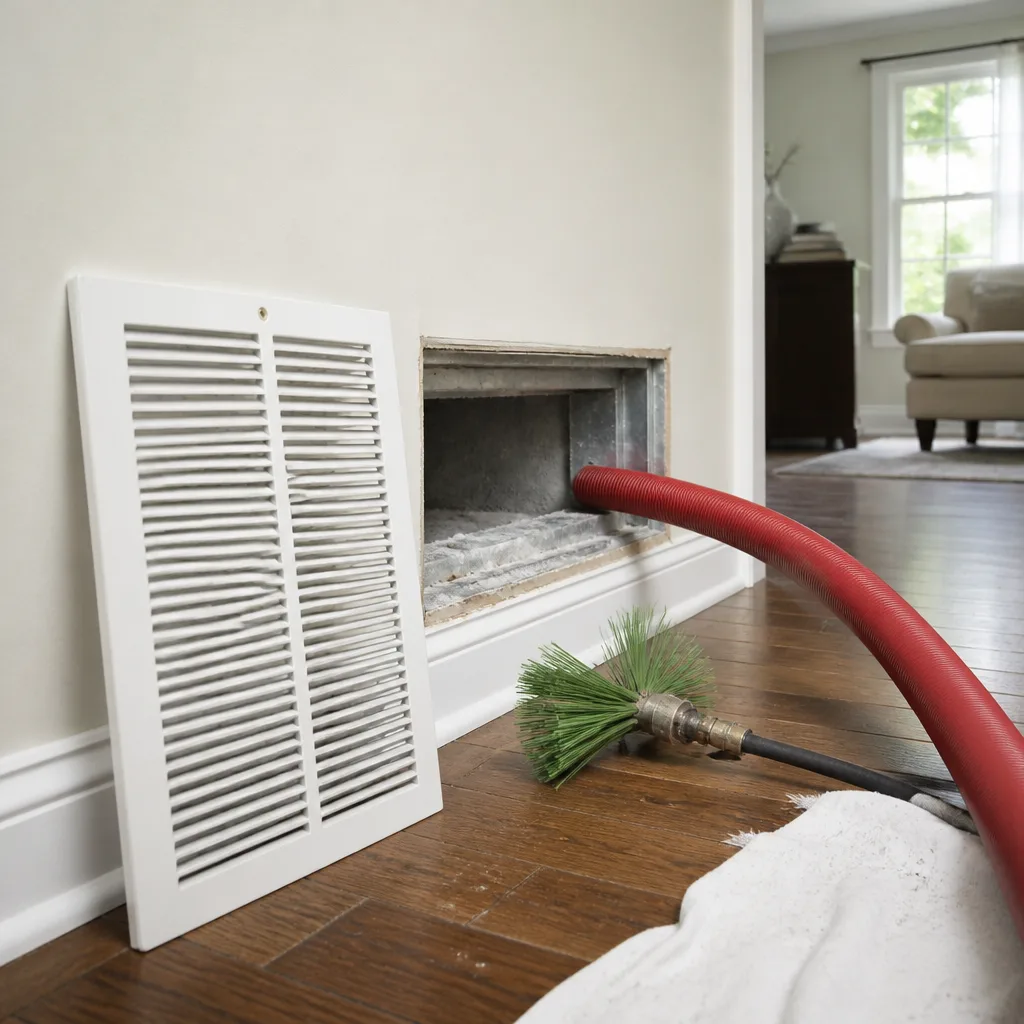 Whole-home duct cleaning
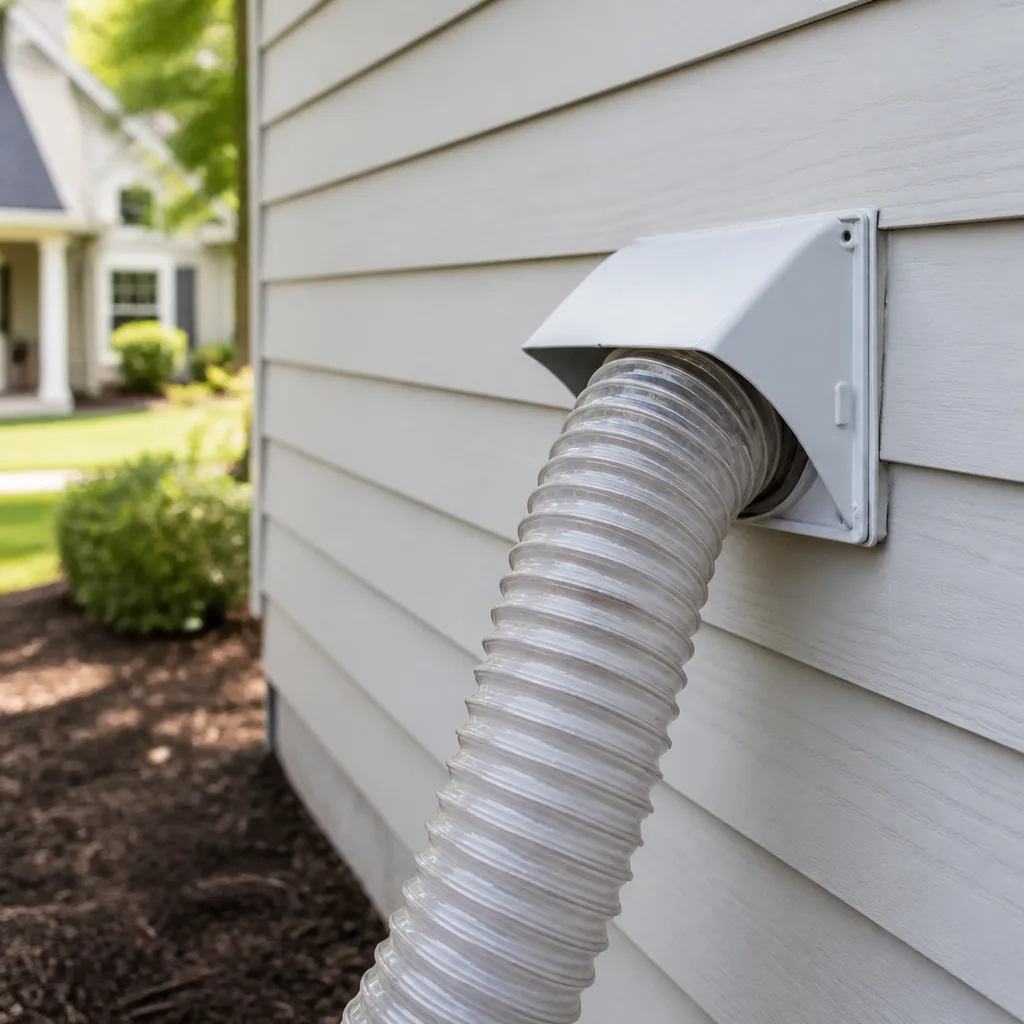 Dryer vent cleaning
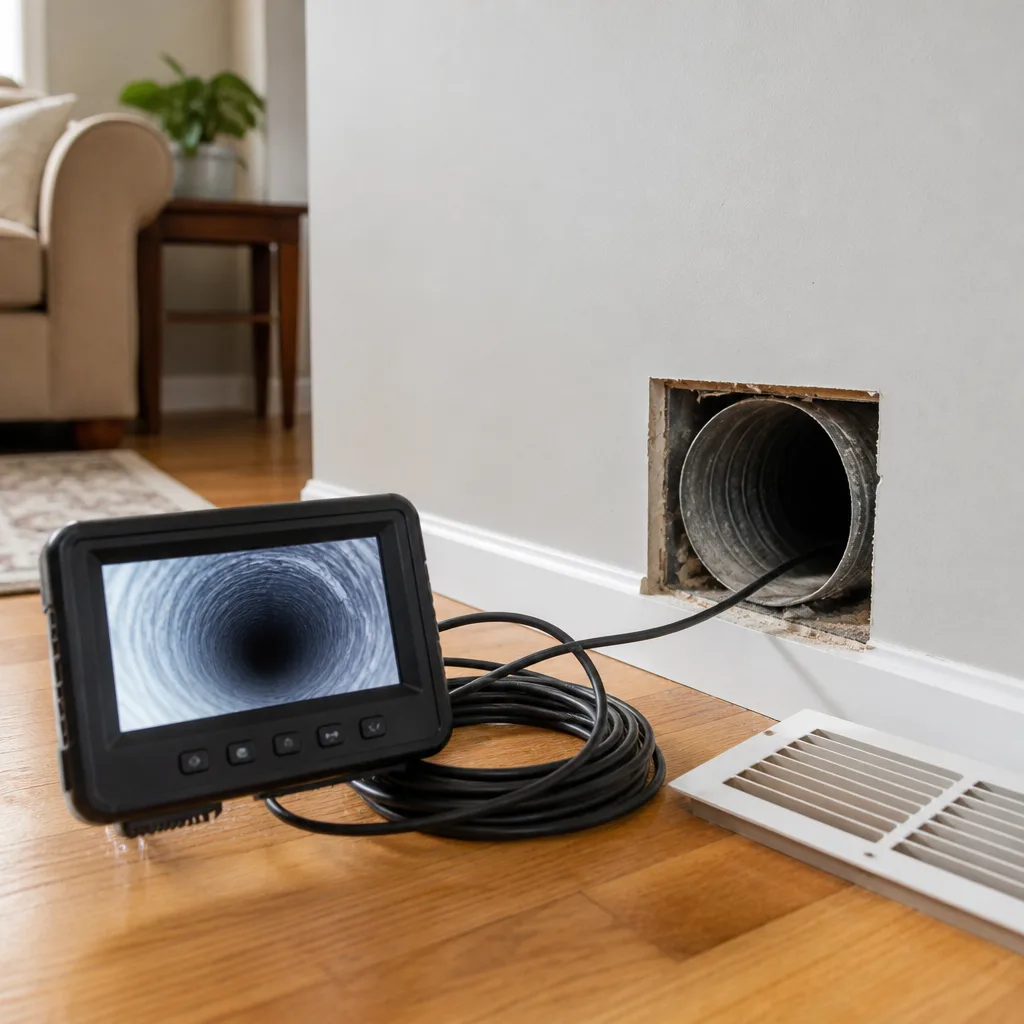 Camera inspection
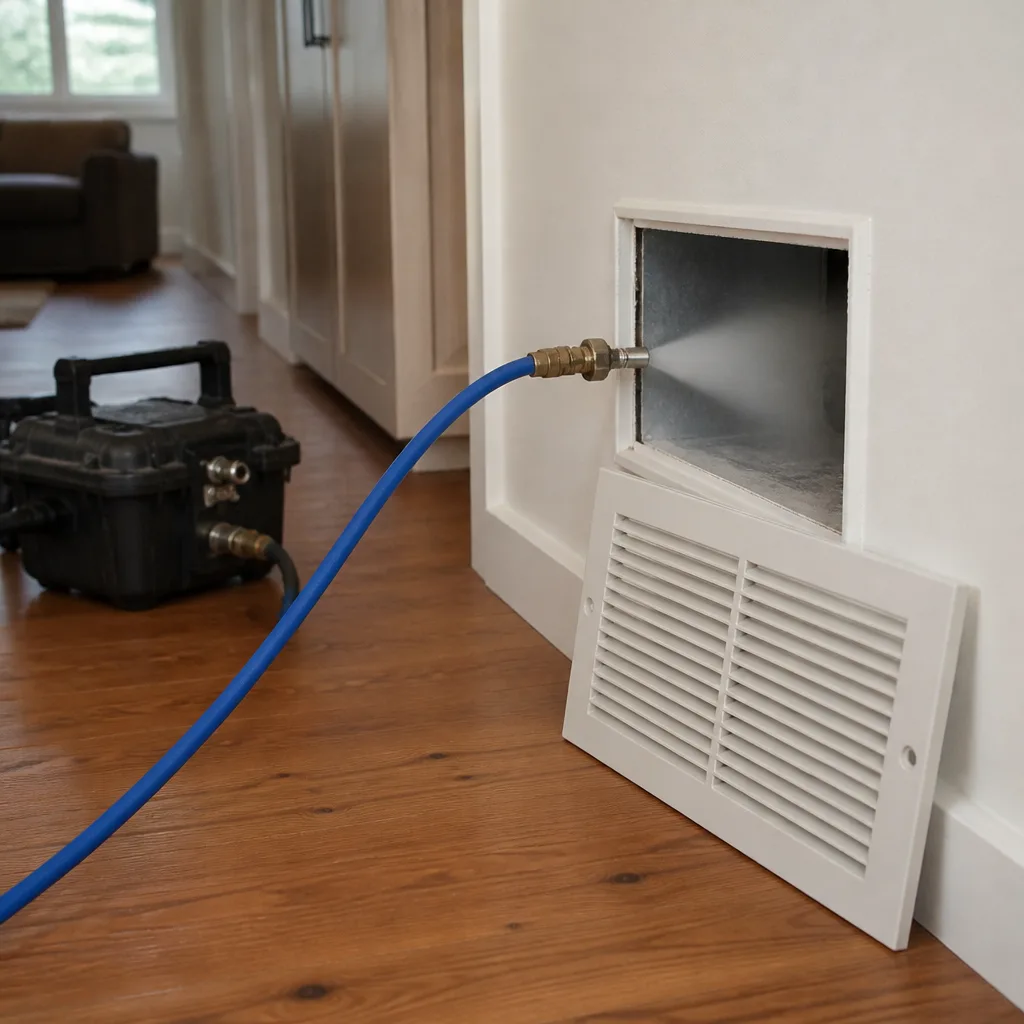 Sanitizing & deodorizing
Whole-system duct and dryer vent check with before-and-after photos - you see exactly what came out of your vents
That "$99 whole-house special" is a bait ad - the real number appears once they are in your hallway, or the "clean" is a shop-vac at the register. We photograph the inside of your ducts before and after instead.
Air Duct Cleaning Emergency Preparedness Guide for Highlands Ranch Homes
Most homeowners treat duct cleaning as a maintenance chore, something to get around to eventually. That framing misses the point. In Highlands Ranch, the air pathway in your home is the one piece of infrastructure that takes the hit from every acute event this region throws at it – wildfire smoke rolling down the Front Range, flash flooding along the eastern Douglas County edge, and summer power outages that leave HVAC systems sitting idle in humid air. What separates a minor cleanup from months of lingering smoke odor and microbial growth is usually one thing: what you did in the first 48 hours. This guide is an action plan you can read before the event, not after.
Quick Answer
Air duct cleaning after a smoke, flood, or outage event is necessary when contaminants have physically entered the air pathway – visible soot or ash at supply registers, standing water in duct runs, or musty odor after a power outage. For smoke events, the decision hinges on whether your HVAC ran on recirculate with a dirty filter during the smoke incursion, which pulls particulate deep into the system. The right preparation before fire season is a MERV 11 to MERV 13 filter on hand, sealed duct joints, and a clear plan for shutting the system down when air quality tanks. After an event, a professional assessment with before-and-after documentation is what supports an insurance claim and confirms contaminants are actually gone.
Styles & brands we work with
- Whole-home duct cleaning
- Dryer vent cleaning
- Camera inspection
- Sanitizing & deodorizing
Table of Contents
- Wildfire Smoke Protocol: Shut Down or Recirculate?
- Flood and Moisture Event Response
- Extended Power Outage Aftermath
- Pre-Event Preparation: Filters, Sealing, and Intake Configuration
- Post-Emergency Documentation for Insurance Claims
- How a Proper Post-Emergency Cleaning Works
- Why Highlands Ranch Homes Face Specific Risks
- Common Mistakes to Avoid
Wildfire Smoke Protocol: Shut Down or Recirculate?
The instinct during a smoke event is to close every window and run the HVAC to “filter the air.” That instinct is half right and half very wrong. The right move depends on your filter and the state of your system.
During a smoke incursion, the safest configuration is windows shut, system set to recirculate (not fresh-air intake if your system draws outdoor air), and a high-quality filter in place. But if your filter is a basic fiberglass panel or has been in service past its interval, running the system on recirculate pulls smoke particulate directly through the filter and deposits the fraction that gets through onto duct walls, the blower wheel, and the evaporator coil. That’s the mechanism behind the prolonged aftermath many homeowners dealt with after the extended AQI 200+ stretch during the 2020 wildfire season – the system became a distribution network for smoke particles rather than a filter for them.
What we recommend as a decision rule before fire season:
- Have the right filter on hand by early summer. A MERV 11 to MERV 13 pleated filter is the practical sweet spot for most residential systems. Higher MERV means more restriction, and if your system wasn’t designed for it, you trade airflow for filtration. Know your system’s limit before you need the filter.
- Shut the system down when AQI is very high and your filter is questionable. A system that stops circulating stops spreading particulate. A window unit or portable air purifier in one room beats an unfiltered central system pushing smoke through the whole house.
- Switch to recirculate only with a clean, high-MERV filter installed. Recirculation is a real strategy when the filter is doing its job. Without that, it’s a liability.
- Change the filter immediately after the event. A filter that loaded with smoke particulate is saturated. Leaving it in service means the system keeps pulling air through a clogged medium and stressing the blower.
- Decide on professional cleaning based on what you find at the registers. Visible dark residue, soot smell, or a filter that came out black warrants a full air pathway assessment. A filter that came out lightly gray and the home smells normal usually doesn’t.
Highlands Ranch sits on the eastern slope where summer smoke from fires to the west and north often settles in the evening. That pattern means smoke exposure is usually cumulative over several days rather than a single dramatic event, which is exactly the scenario where a saturated filter does the most damage.
Flood and Moisture Event Response
Flash flooding near homes on the eastern Douglas County edge creates a specific and underappreciated duct system risk: moisture intrusion into the air pathway without any water visible in the living space. Basement flooding, groundwater wicking into a crawlspace, and submersion of an outdoor condenser unit all introduce a moisture problem that the furnace or air handler can then spread through the whole home.
The critical rule after any flood or moisture event: do not restart the HVAC until the system has been assessed. Running a system with moisture in the ducts or a water-damaged air handler doesn’t dry it out. It distributes humid air through the home and creates the warm, dark, damp conditions microbial growth needs.
A post-flood moisture assessment for the air pathway should cover:
- Outdoor condenser submersion. A unit that sat in floodwater needs electrical inspection before power is restored. Don’t flip the breaker and hope.
- Air handler and furnace cabinet moisture. Any water in the cabinet, on the blower, or on the coil needs to be found and dried before operation.
- Duct run moisture. Flexible duct in a crawlspace or basement that was submerged or saturated holds water. Wet flex duct is usually a removal and replacement decision, not a drying decision.
- Insulation condition. Wet duct insulation loses its function and holds moisture against the duct. It needs to be checked separately from the duct itself.
- Odor check after drying. A musty smell after the system has run for a few hours signals that moisture or growth is still present and warrants professional assessment.
If your home flooded, treat the duct system the same way you’d treat wet drywall: as a moisture problem to be resolved, not a surface to be wiped. Our technicians have up to 14 years of experience and have seen how quickly a damp air pathway turns into a much larger indoor air quality problem when it’s restarted too early.
Extended Power Outage Aftermath
A summer power outage in Highlands Ranch isn’t just an inconvenience – it’s a humidity event for your HVAC system. When a system sits idle during humid summer weather (especially after a storm that brought the outage on), the ducts, coil, and cabinet can stay damp for days. That’s the window where microbial growth establishes itself.
What to check before you flip the system back on after an extended outage:
- Look for condensation at the air handler. Water pooling in the drain pan or visible moisture on the cabinet is a sign the system needs to dry before it runs.
- Smell the return grille. A musty or earthy odor at the return after an outage means moisture has been sitting in the air pathway.
- Check the condensate drain line. A clogged or slow drain during an outage can back water up into the pan or the cabinet.
- Run the fan only (no cooling) for a short period to dry the system if there’s no visible water and no odor. If either is present, get an assessment first.
- Schedule a cleaning if the outage ran more than a day in humid conditions. Growth doesn’t always announce itself with odor right away. A visual inspection of the air handler and a duct assessment will confirm whether the system needs sanitizing.
The humid stretch that follows a summer storm in Highlands Ranch is exactly the scenario where a system that’s been off for two or three days develops a musty smell by the time power comes back. Reading the signs before you restart saves you from circulating that growth through the whole house.
Pre-Event Preparation: Filters, Sealing, and Intake Configuration
The most effective duct emergency plan is the one you build before the emergency. Three things reduce duct contamination during an acute event more than anything else: the right filter, sealed duct joints, and a clear understanding of your intake configuration.
The filter. Have a spare MERV 11 to MERV 13 filter on hand before fire season begins, and know your filter’s size. A filter change during a smoke event isn’t helpful if you’re driving to three stores looking for the right dimensions. The filter you keep on hand should be the one rated for your system’s airflow, not the highest MERV number on the shelf.
Duct sealing. Leaky duct joints in an attic or crawlspace pull unconditioned air – including outdoor smoke or humid air – directly into the air pathway. Sealing those joints before an event means the system handles less contamination during one. If your ducts have never been assessed for leakage, this is the single highest-value preparation step for Highlands Ranch homes, especially those with ductwork in unconditioned attic space.
Intake configuration. Know whether your system draws outdoor air and how to close that intake if it does. Some systems have a fresh-air damper that should be shut during a smoke event. Confirm this in advance, not during the event.
A pre-event baseline. If you haven’t had your ducts assessed, a professional cleaning before fire season gives you a known starting point. After an event, you can tell what’s new contamination versus what was already there. This also matters for insurance, because the insurer will want to know the pre-event condition.
Highlands Ranch’s newer housing stock often has tight building envelopes and ductwork routed through unconditioned attic space, which makes sealing and pre-event preparation especially relevant. A quick air duct cleaning assessment before the season establishes your baseline.
Post-Emergency Documentation for Insurance Claims
Insurance claims for duct contamination after a flood or fire event live or die on documentation. The adjuster wasn’t there during the event, so what you photograph and what the contractor’s assessment reports is the entire case. Getting this wrong means paying out of pocket for a cleaning that should have been covered.
What to photograph immediately after an event, before anything is cleaned or moved:
- Every supply and return register, close-up, showing the grille face and any visible residue or moisture.
- The air handler and furnace cabinet exterior, showing water lines, moisture stains, or standing water.
- The filter as you removed it, in place, before you take it out, with the surrounding housing visible.
- Any visible water in a basement, crawlspace, or near the outdoor unit, with enough of the room or yard visible to establish location.
- A wide shot of each affected room, then the close-ups, so the adjuster can see the context.
- The filter packaging or the filter itself, so the filter’s rating and condition are documented.
What a professional contractor assessment should provide for a claim:
- Before-and-after photos of the duct interior. Interior shots tell the story no exterior photo can. Insist on them.
- A written scope of the contamination found – what was cleaned, what was sanitized, what needed repair or replacement, and why.
- Confirmation of the cleaning method used. Contact cleaning with a rotary brush system, HEPA vacuuming, and negative-air containment are the methods that produce a defendable result. Air-only or “blow and go” cleaning doesn’t produce documentation the adjuster will accept.
- Any moisture readings taken at the air handler or duct runs, if moisture was part of the event.
- Filter specification and replacement record as part of the service.
Get the written assessment before you authorize any cleanup that you plan to claim. A cleaning completed without documentation is a claim that’s hard to support after the fact.
How a Proper Post-Emergency Cleaning Works
Not all duct cleaning is the same, and after an acute event the difference matters more than it does during routine maintenance. A surface-level or air-only cleaning can actually push contaminants further into the system or drive them into the living space. Here’s what a proper post-event cleaning involves.
Containment first. Negative-air equipment and containment at the openings keep dislodged particulate from migrating into the rooms. Our crews use Nikro HEPA vacuum systems to capture contaminants at the source rather than redistributing them, and Abatement Technologies equipment when the job involves mold, heavy debris, or post-remediation cleaning.
Contact cleaning of the duct walls. A Rotobrush rotary contact-cleaning system physically agitates debris from the duct walls with a rotating brush while the vacuum captures it. That’s the method that produces the before-and-after interior photos an adjuster or a homeowner needs to verify the work was done. Air-only cleaning cannot make that claim.
HVAC equipment cleaning, not just ducts. The blower wheel, evaporator coil, and cabinet are part of the air pathway. After a smoke or moisture event, they’re often where the contamination concentrates. A proper cleaning addresses them and not just the duct runs.
Sanitizing when contamination warrants it. Smoke residue and microbial growth after a moisture event may require sanitizing in addition to cleaning. That’s a separate step from cleaning and should be scoped in the assessment.
Filtration upgrades and pairing. The same crew that cleans the system can recommend a Honeywell or Aprilaire filtration or humidity control upgrade while the system is open, so the post-event cleaning leaves the home better protected than it was before.
Repair and sealing if the event compromised the duct system. A flood or a rodent intrusion during an outage can breach duct runs. Repair and sealing closes those breaches and keeps the system tight for the next event. A single provider handling cleaning, repair, and air quality pairing means the work is done start to finish without coordinating separate contractors. Surface protection products from Guardsman are used during service to protect home interiors throughout the process.
Why Highlands Ranch Homes Face Specific Risks
Highlands Ranch’s geography and housing profile create duct contamination scenarios that don’t apply evenly across the Front Range.
- Wildfire smoke settling on the eastern slope. Smoke from fires to the west and north drifts down into the metro area and often settles in the evening. Homes here experience multi-day exposure rather than a single event, which is exactly when a saturated filter does the most damage.
- Flash flooding along the eastern Douglas County edge. The drainage patterns near the eastern edge of Highlands Ranch produce flash flooding risk that can put water near foundations, basements, and outdoor equipment without the homeowner seeing water inside.
- Humid summer outages. Summer storms that cause outages arrive with humidity. A system sitting idle in that humidity is the setup for microbial growth in the air pathway.
- Newer, tight housing. Highlands Ranch’s newer homes are built tight, which is good for energy but means a contaminated duct system recirculates the same air through the house. There’s less natural exchange to dilute the problem.
- Ductwork in unconditioned space. Attic routing is common, and attic ducts see the full temperature swing. Leaky joints there pull outdoor air – smoke or humid air – straight into the system.
These factors compound. A home on the eastern edge that floods in a summer storm, loses power for two days, and then gets a smoke event three weeks later faces a duct system that’s been stressed three times in one season. That’s the scenario this guide prepares you for. For routine care outside of emergencies, dryer vent cleaning and HVAC cleaning on a schedule keep the system in shape for the next event.
Common Mistakes to Avoid
- Running the HVAC on recirculate with a dirty filter during a smoke event. That’s the single fastest way to deposit smoke particulate throughout the air pathway. Check the filter before you turn the system on, not after.
- Restarting the HVAC immediately after a flood or extended outage. Moisture in the air pathway needs to be found and dried before the system runs. Starting it up spreads the moisture and the microbial growth that follows.
- Leaving the post-event filter in place after the event. A saturated filter from smoke or flood conditions is spent. Replace it as soon as the event is over.
- Cleaning without photos. Before-and-after interior duct photos are the entire proof for an insurance claim and for your own confidence the work was done. Don’t skip them.
- Accepting a blow-and-go cleaning after an acute event. Air-only cleaning can push contamination further into the system. After an acute event, contact cleaning with a rotary brush and HEPA vacuum and containment is what’s needed.
- Skipping the pre-event baseline. Without a documented pre-event condition, you can’t tell what’s new damage after the next flood or smoke event – and neither can your insurer.
- Ignoring the outdoor unit in a flood assessment. Electrical inspection before restarting a submerged condenser isn’t optional. Get it checked by a qualified professional.
See the difference
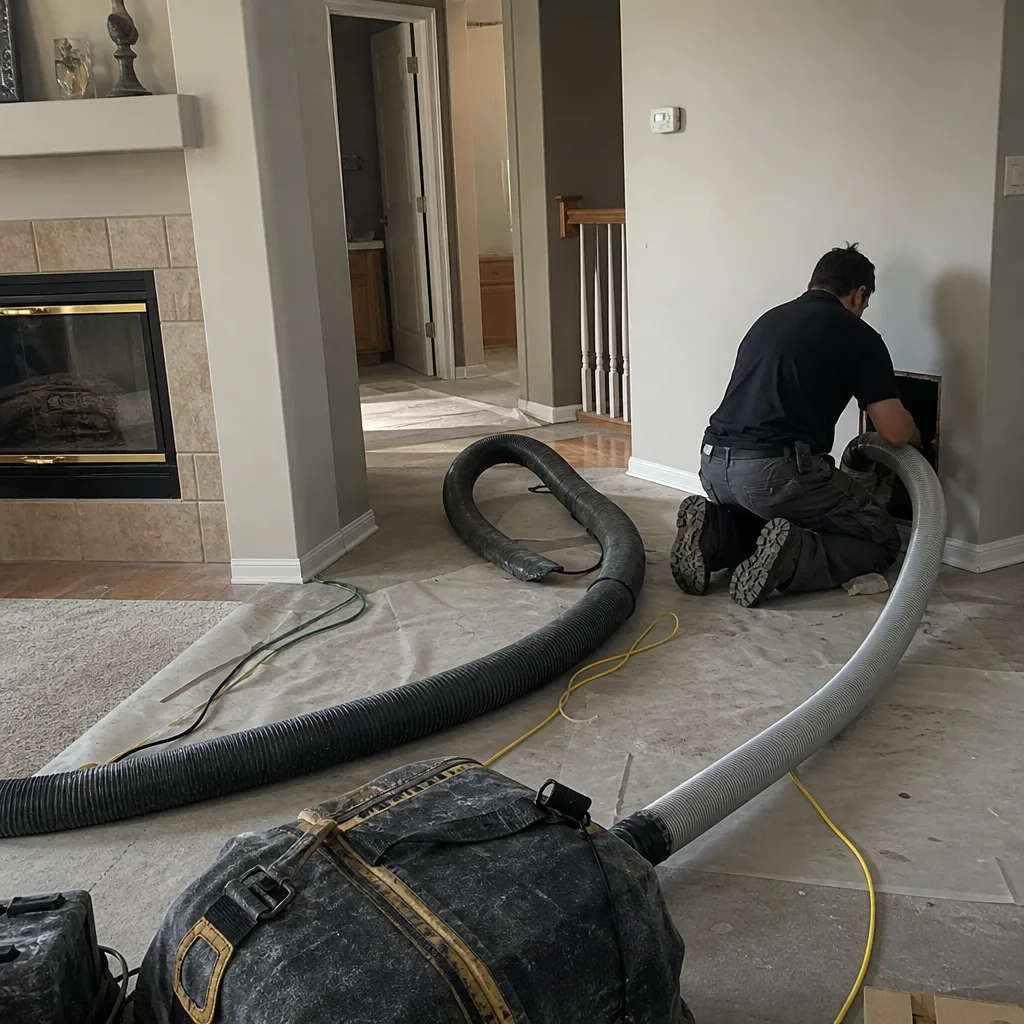 Before
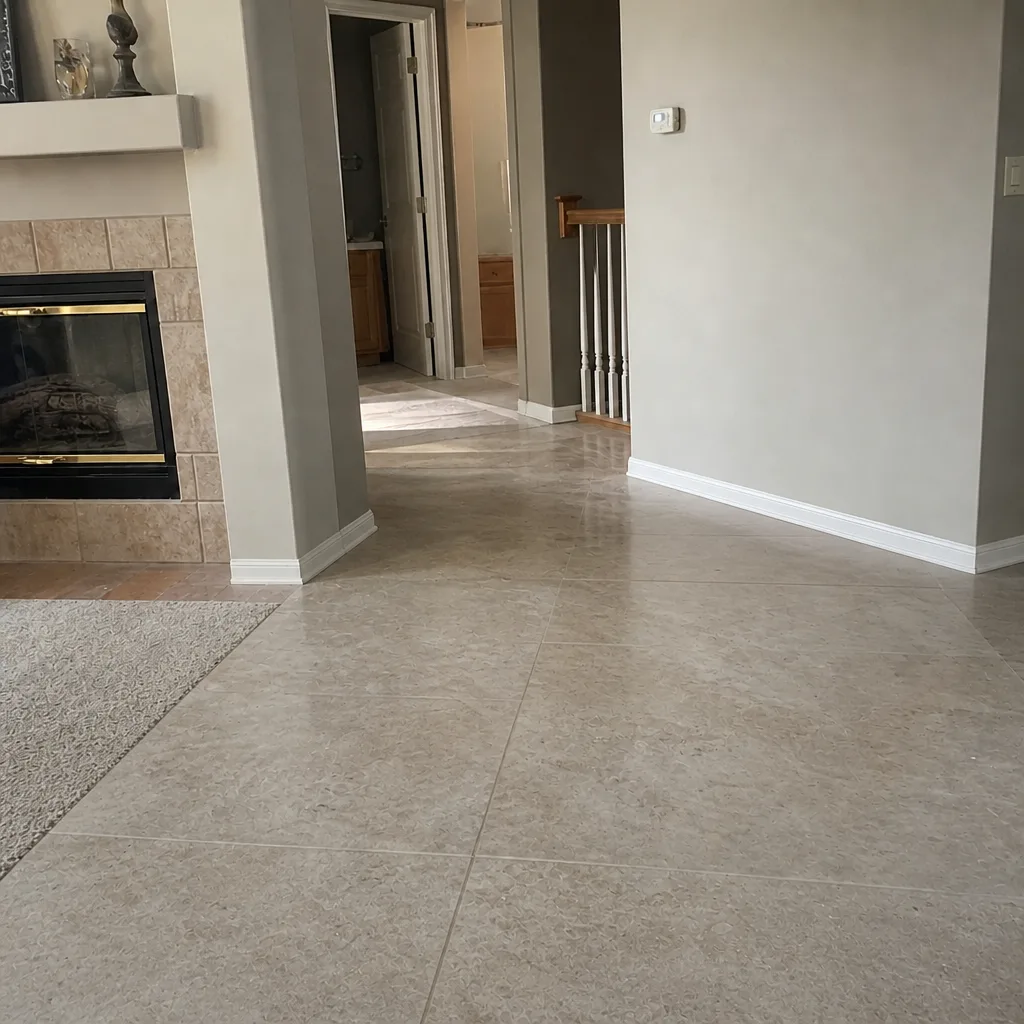 After
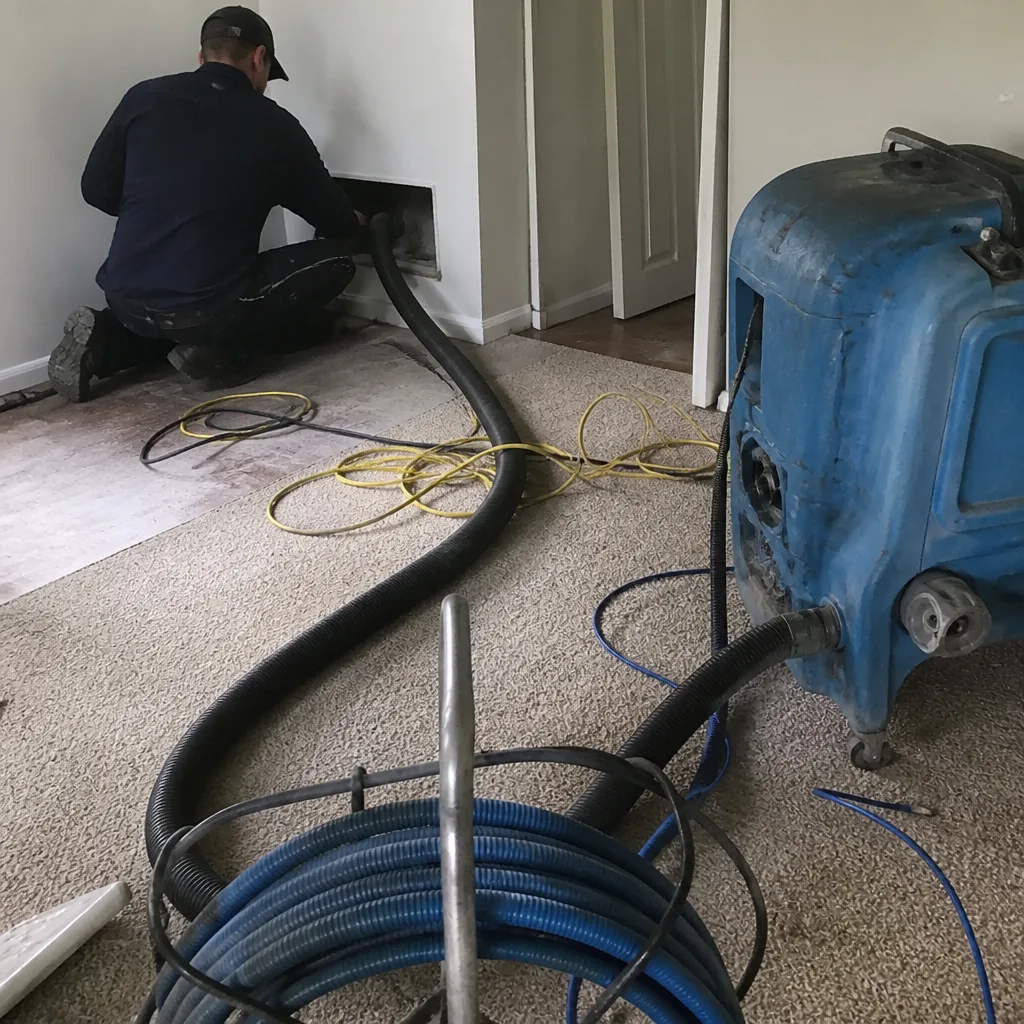 Before
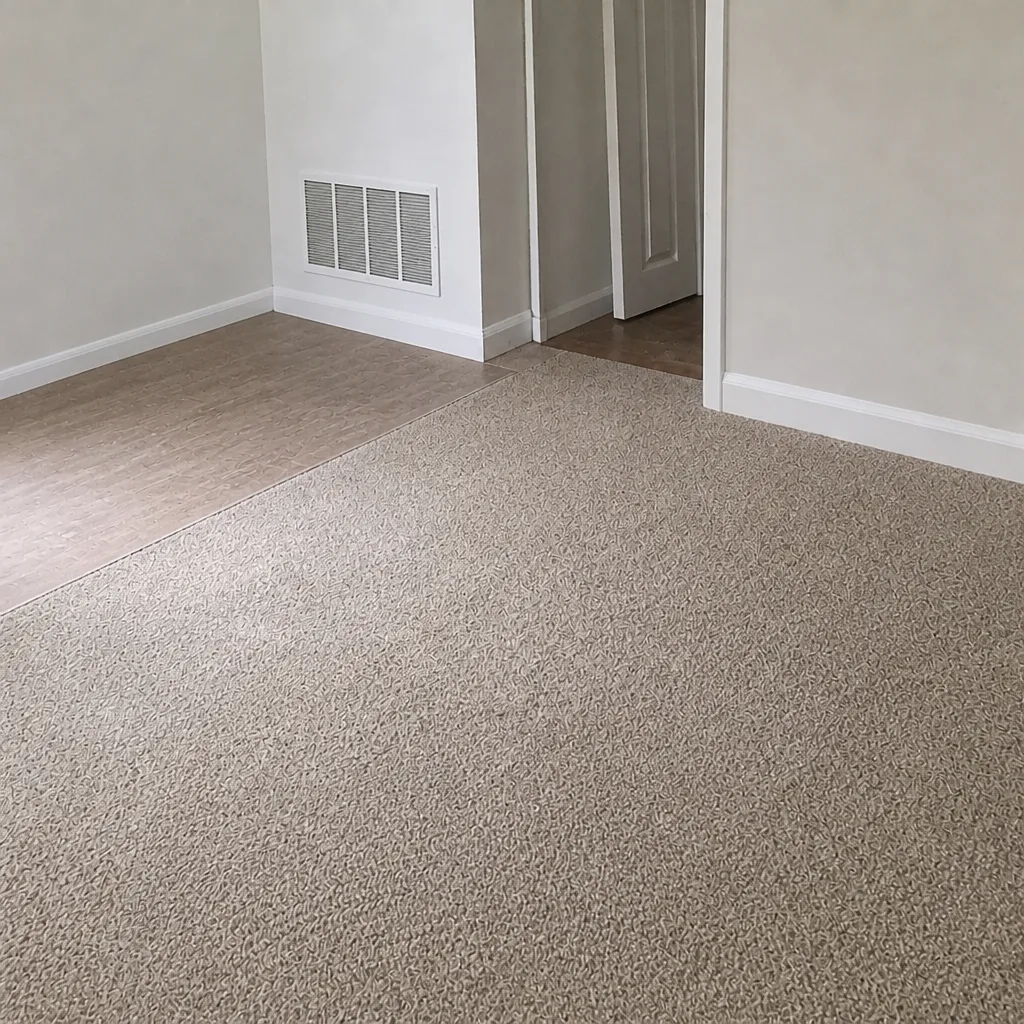 After
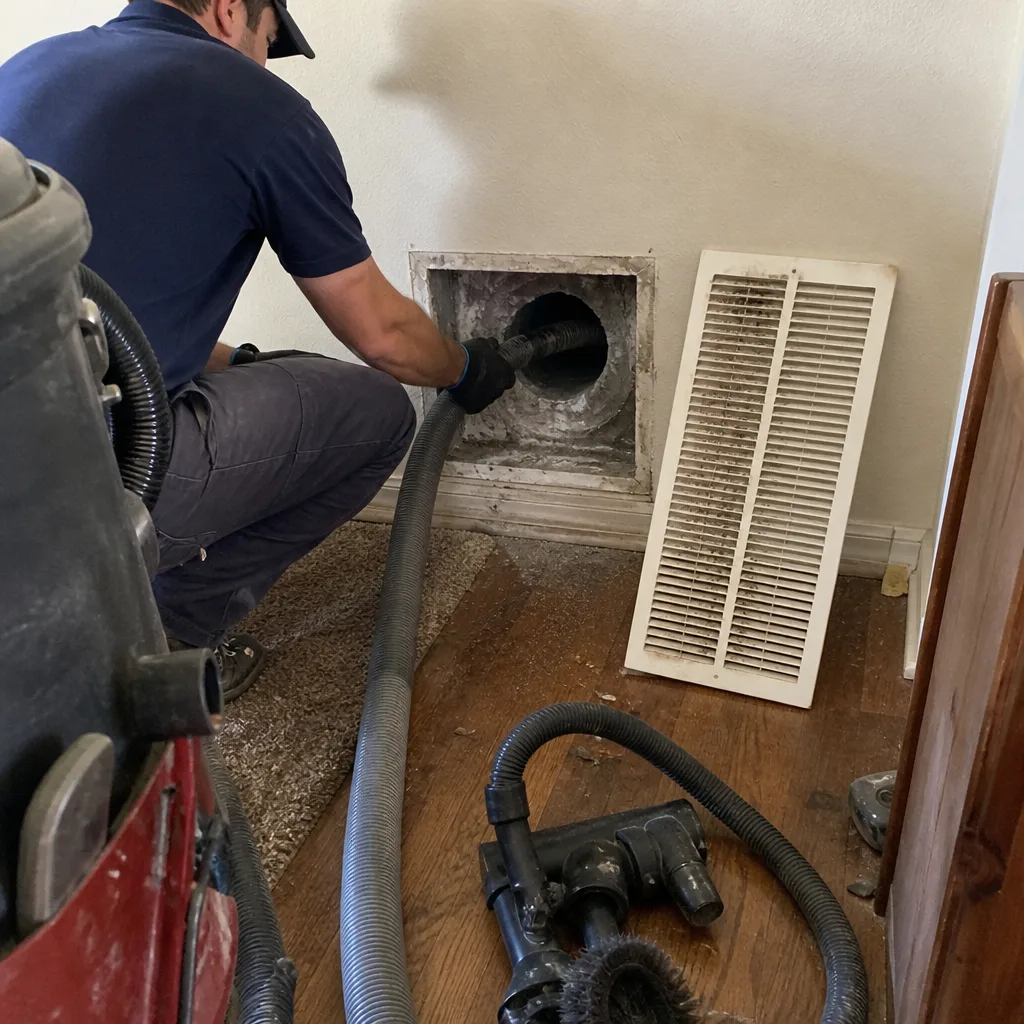 Before
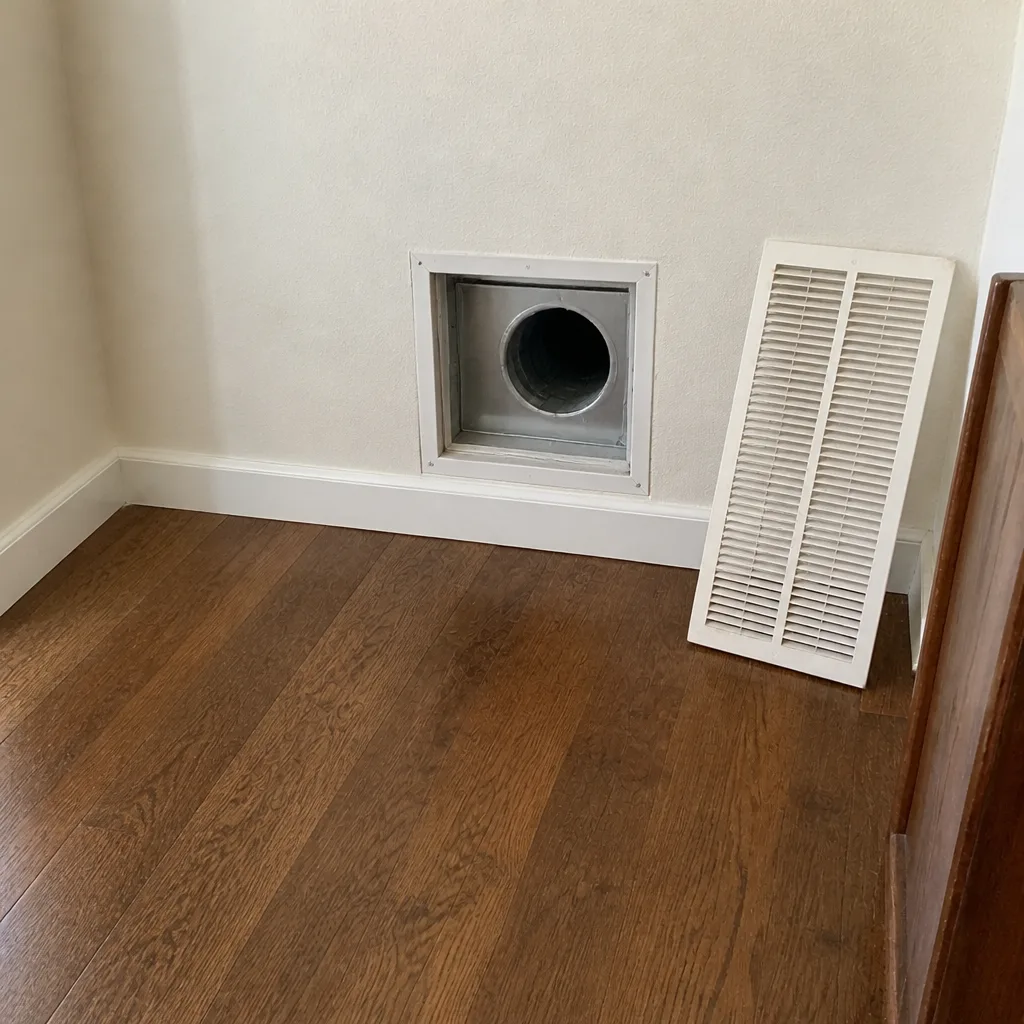 After
When to Call a Professional
Some post-event cleanup is common sense. Some is a professional job. The line is where contaminants or moisture are in a part of the system you can’t see or reach safely – the interior of the duct runs, the air handler cabinet, the coil, or the blower.
Call a professional when you have visible soot or ash at the registers after a smoke event, standing water or moisture trace in the air handler or duct runs after a flood, a musty smell that persists after a power outage, a filter that came out black after an event, or an insurance claim that needs documentation of the work done. If you’re not sure whether the contamination is significant, an assessment answers that question with interior photos and a written scope.
Highlands Ranch Air Duct Cleaning Pros offers free estimates in Highlands Ranch – call (833) 513-8872. We answer 24/7, with fast dispatch from 7am to 7pm, Sunday through Friday. The estimate is free and the price is set per job by a written estimate before any work starts.
Frequently Asked Questions
Most whole-home duct cleaning in Highlands Ranch runs a few hundred dollars for a standard residential system, with the exact figure set by a written estimate before work starts. Post-event cleaning after a flood, smoke intrusion, or extended outage can cost more than routine maintenance because it typically includes sanitizing, HVAC equipment cleaning, or duct repair, and those items are scoped separately. Call (833) 513-8872 for a free estimate – we quote per system, not per vent, and the written estimate sets the final price.
Only if your HVAC ran on recirculate with a dirty filter during the smoke event, or if you find visible soot or ash at the supply registers. A filter that loaded with smoke particulate and a home with no visible residue or lingering odor often just needs a filter change and a system check. A soot smell that persists after a filter change warrants a professional assessment to determine whether post-event cleaning is needed.
A very low quote usually reflects a shorter job – air-only cleaning without contact cleaning of the duct walls, no HEPA vacuum or containment, and no HVAC equipment cleaning. That approach can push contamination deeper or recirculate it into the rooms rather than remove it. Compare quotes on method, not just price: ask whether the quote includes rotary brush contact cleaning, HEPA vacuum capture, and before-and-after interior photos. Call (833) 513-8872 for a free estimate that breaks down what’s included.
Interior before-and-after photos of the duct runs, the air handler, and the coil are the answer. Ask for them as part of the job. If a contractor can’t produce interior photos, the work cannot be verified – and the same documentation is what an insurance adjuster needs after a flood or smoke event. We provide before-and-after photos as part of every post-event cleaning.
Most Highlands Ranch homes don’t need annual duct cleaning, but they do benefit from assessment every few years, with event-driven cleaning after a smoke event, flood, or extended summer outage. Homes with pets, allergies, asthma, or a recent renovation usually need it sooner, and a newly purchased home with unknown duct history warrants a baseline cleaning before you settle in. Call (833) 513-8872 if you’re not sure what interval fits your home.
Photograph everything before you clean, shut the system down if it isn’t already, and do not restart it until a professional has assessed the air handler, the duct runs, and any outdoor unit that took on water. A submerged condenser needs electrical inspection first. The first 24 hours is when moisture is most manageable – the longer a damp air pathway sits, the more likely it becomes a mold and microbial cleaning job rather than a drying job.
The Bottom Line
Duct contamination after an acute event in Highlands Ranch is preventable more often than it’s not. The preparation that matters is specific: a MERV 11 to MERV 13 filter on hand before fire season, sealed duct joints, a known intake configuration, and a documented pre-event baseline. The response that matters is equally specific: know when to shut the system down versus recirculate during smoke, don’t restart after a flood or extended outage until moisture is assessed, and document the event for insurance before cleanup begins. The homes that come out of a smoke, flood, or outage season in good shape are the ones where these decisions were made in the right order. For a free estimate on cleaning, sealing, sanitation, or filtration, call (833) 513-8872. We answer 24/7, with fast dispatch from 7am to 7pm, Sunday through Friday.
If you’d like to start with a baseline assessment before the next event, Highlands Ranch Air Duct Cleaning Pros provides free estimates in Highlands Ranch and the surrounding area.
Written by the team at Highlands Ranch Air Duct Cleaning Pros.