
Last updated November 24, 2026
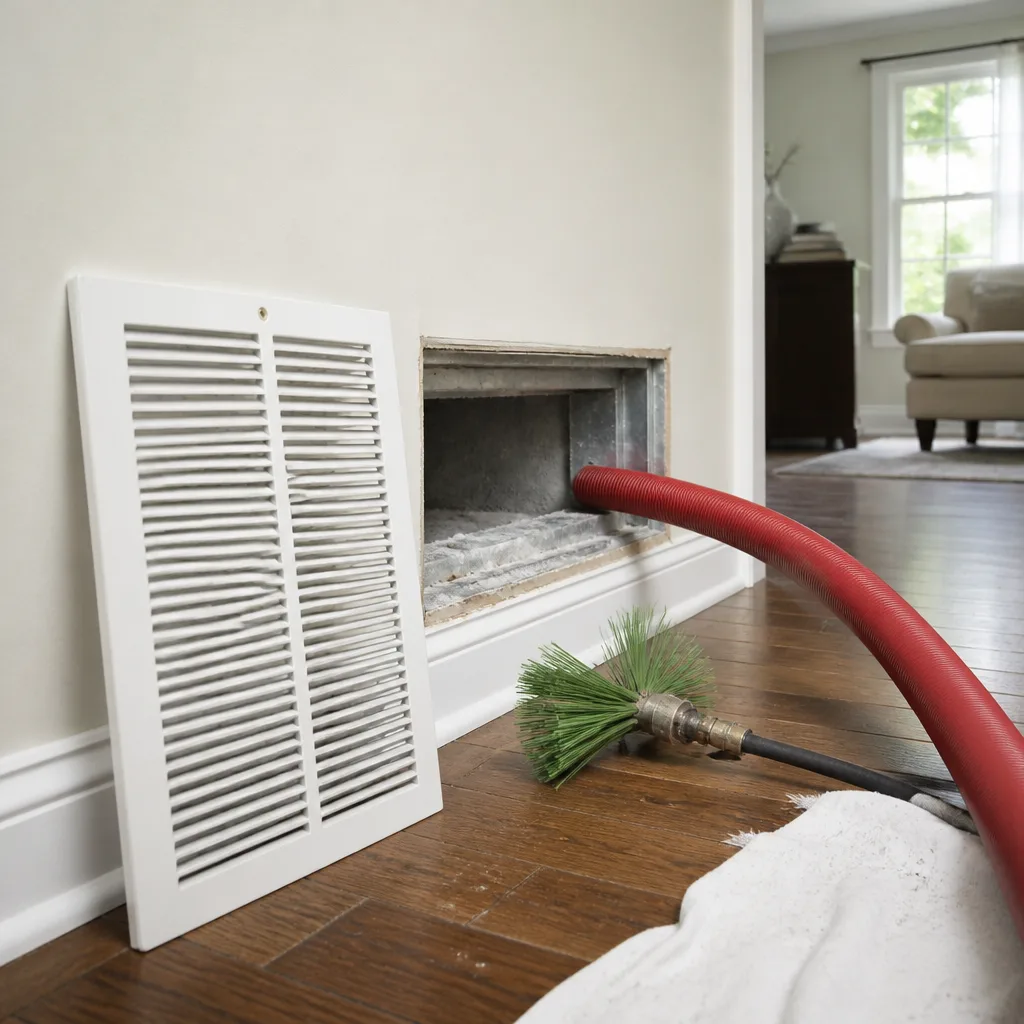 Whole-home duct cleaning
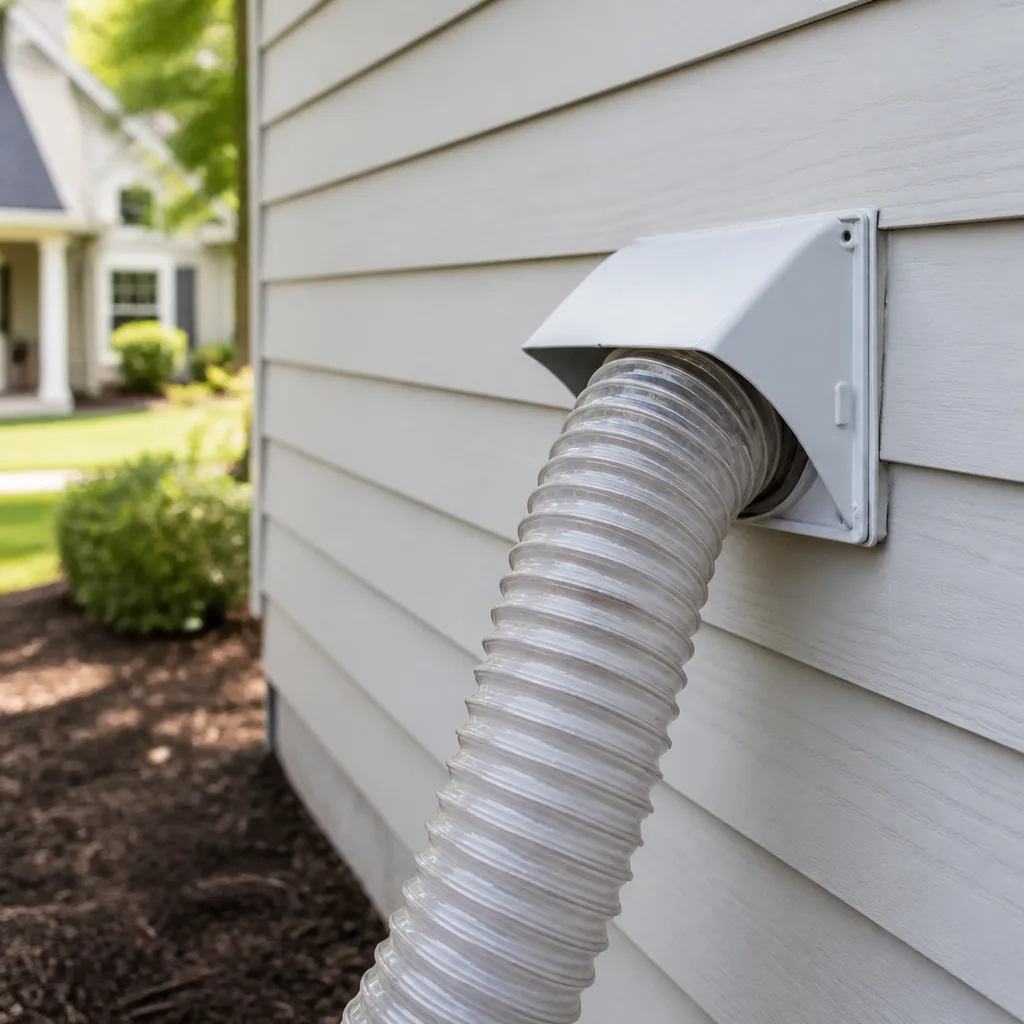 Dryer vent cleaning
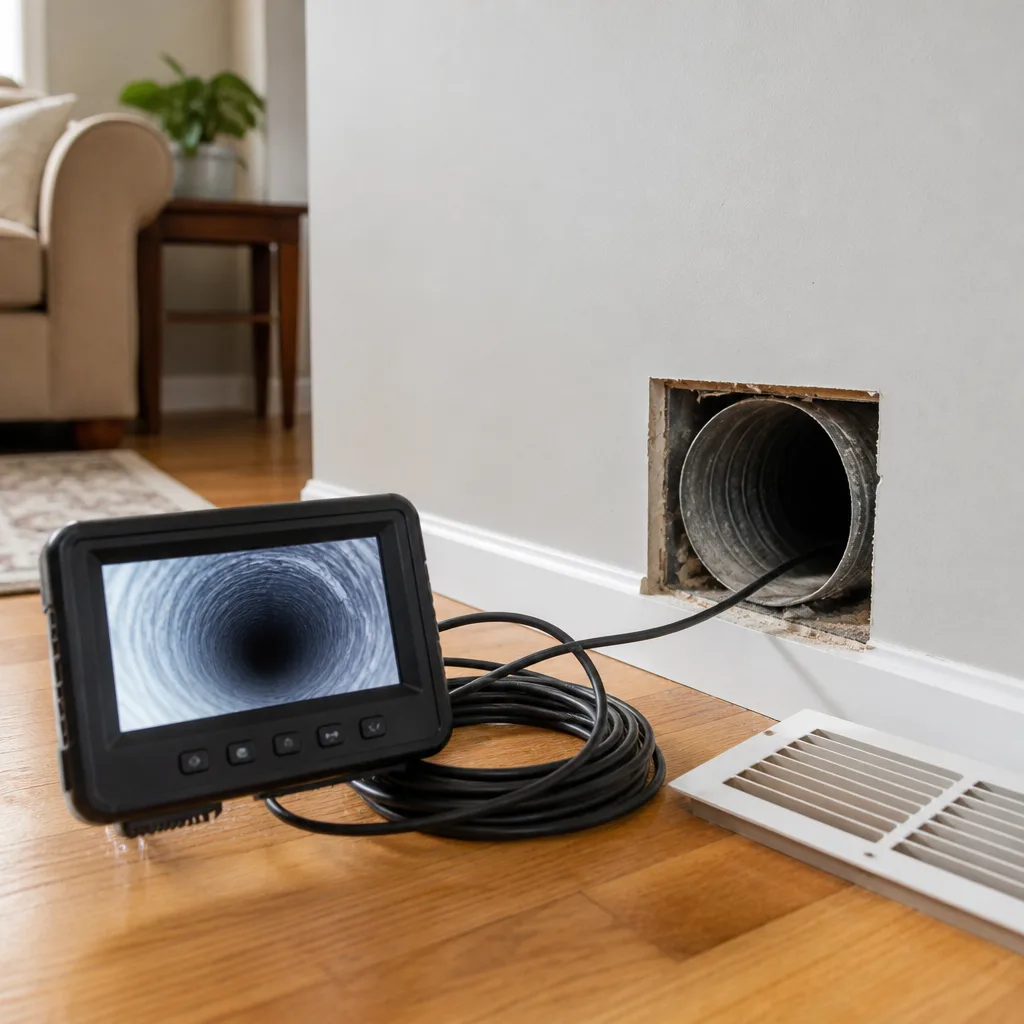 Camera inspection
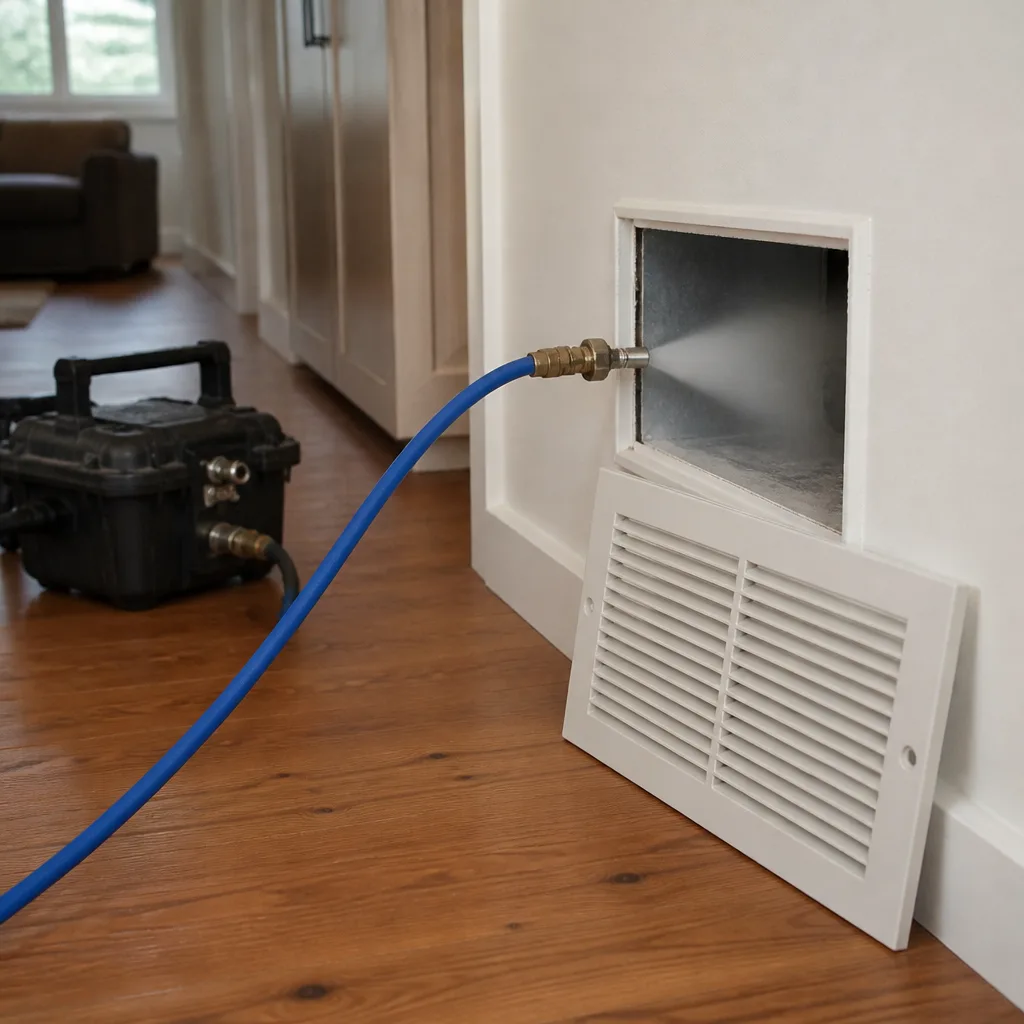 Sanitizing & deodorizing
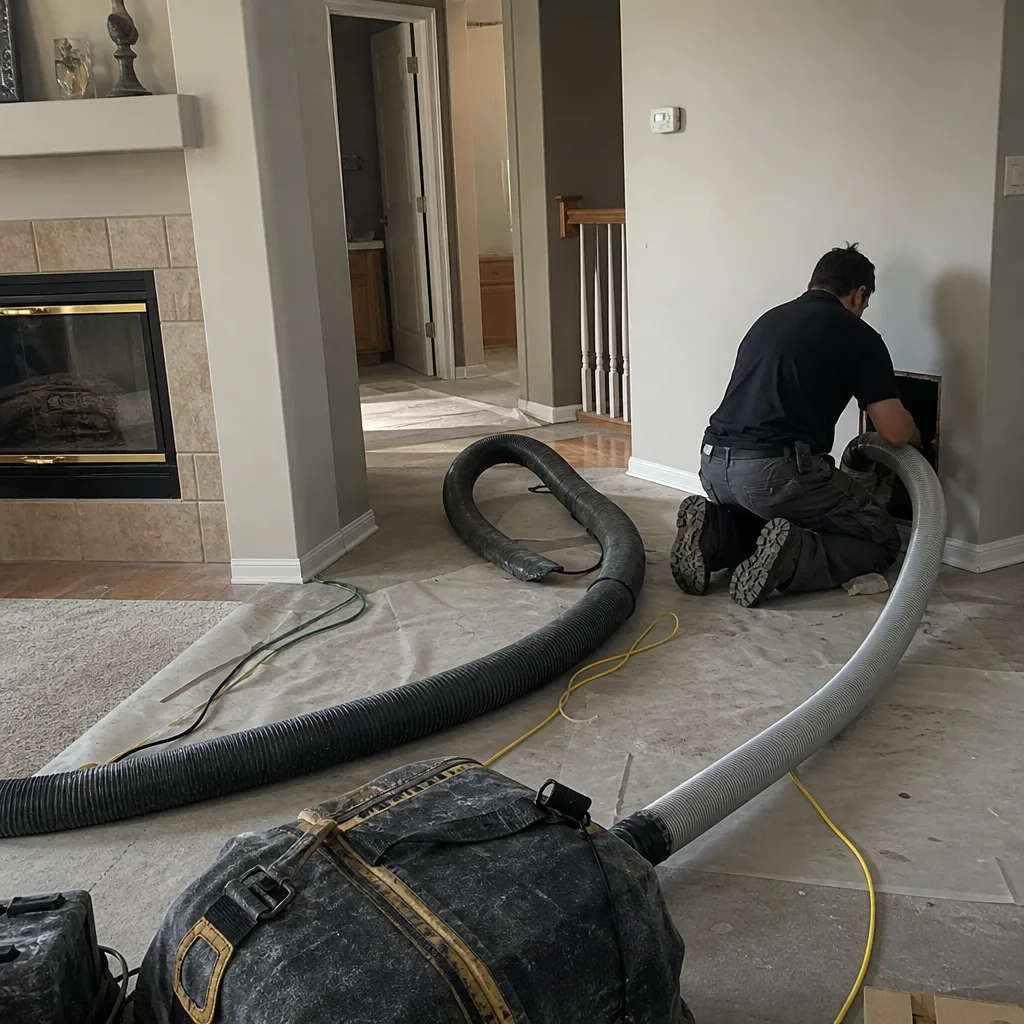
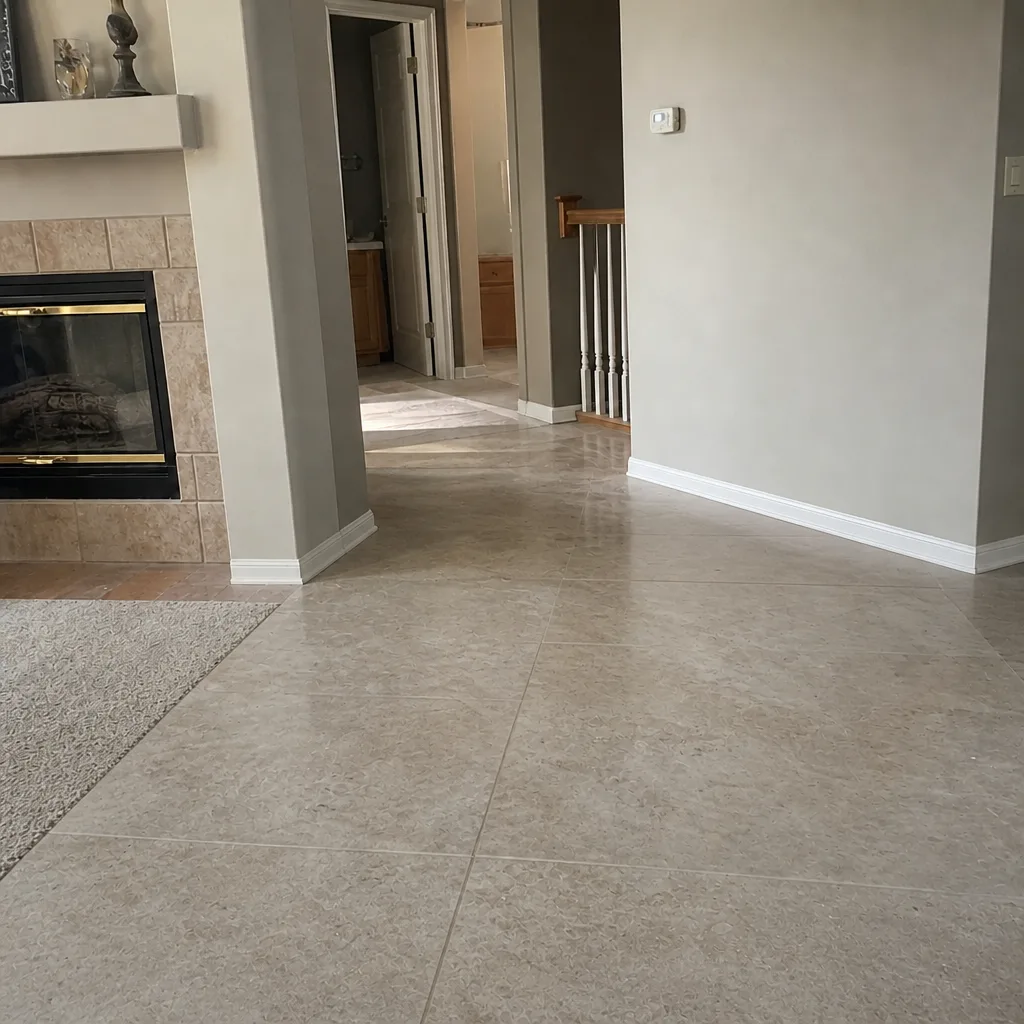
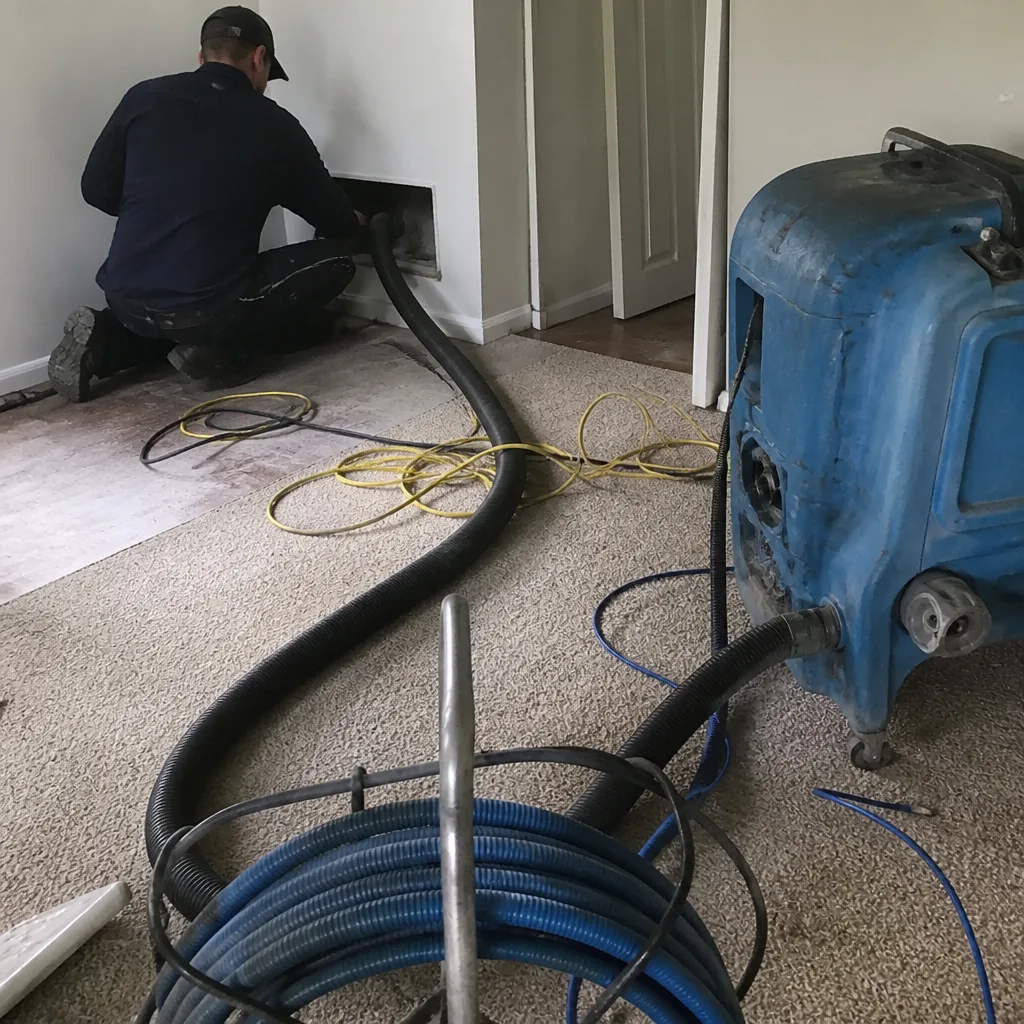
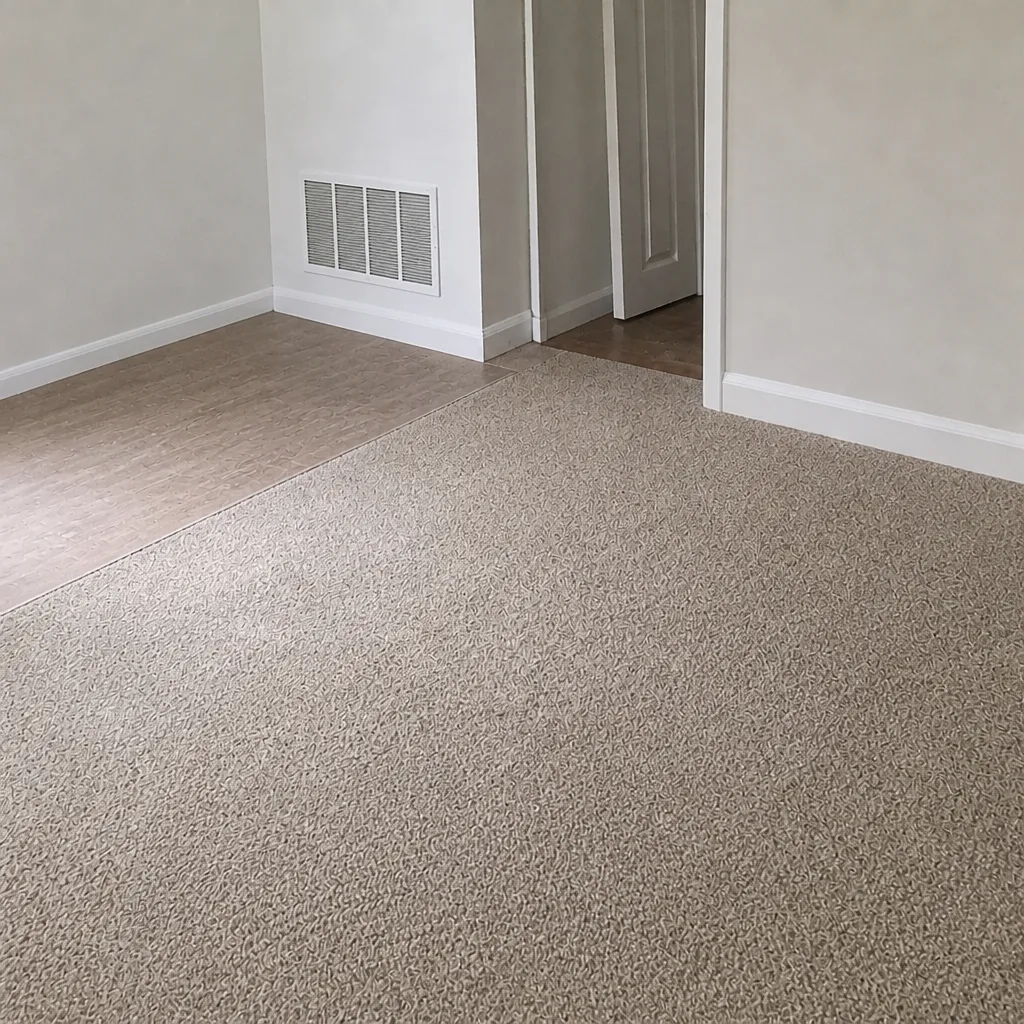
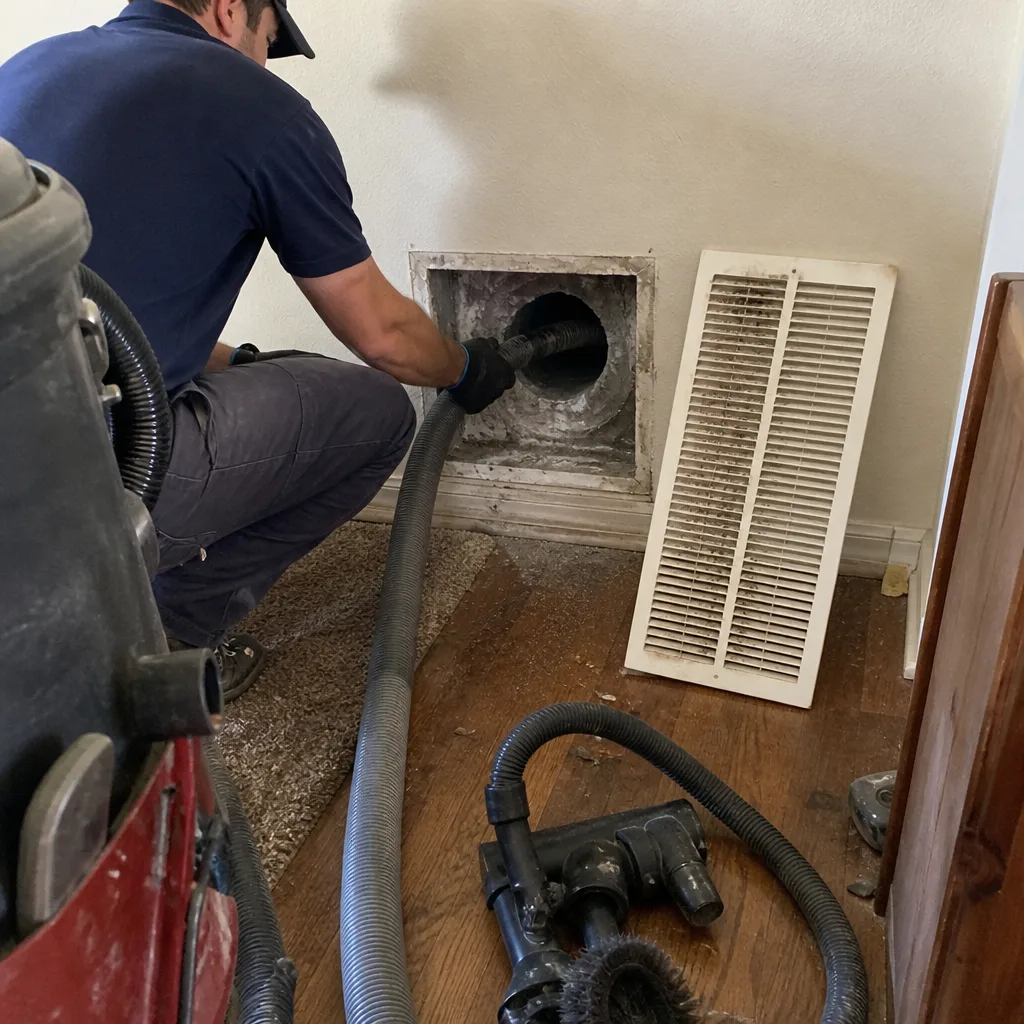
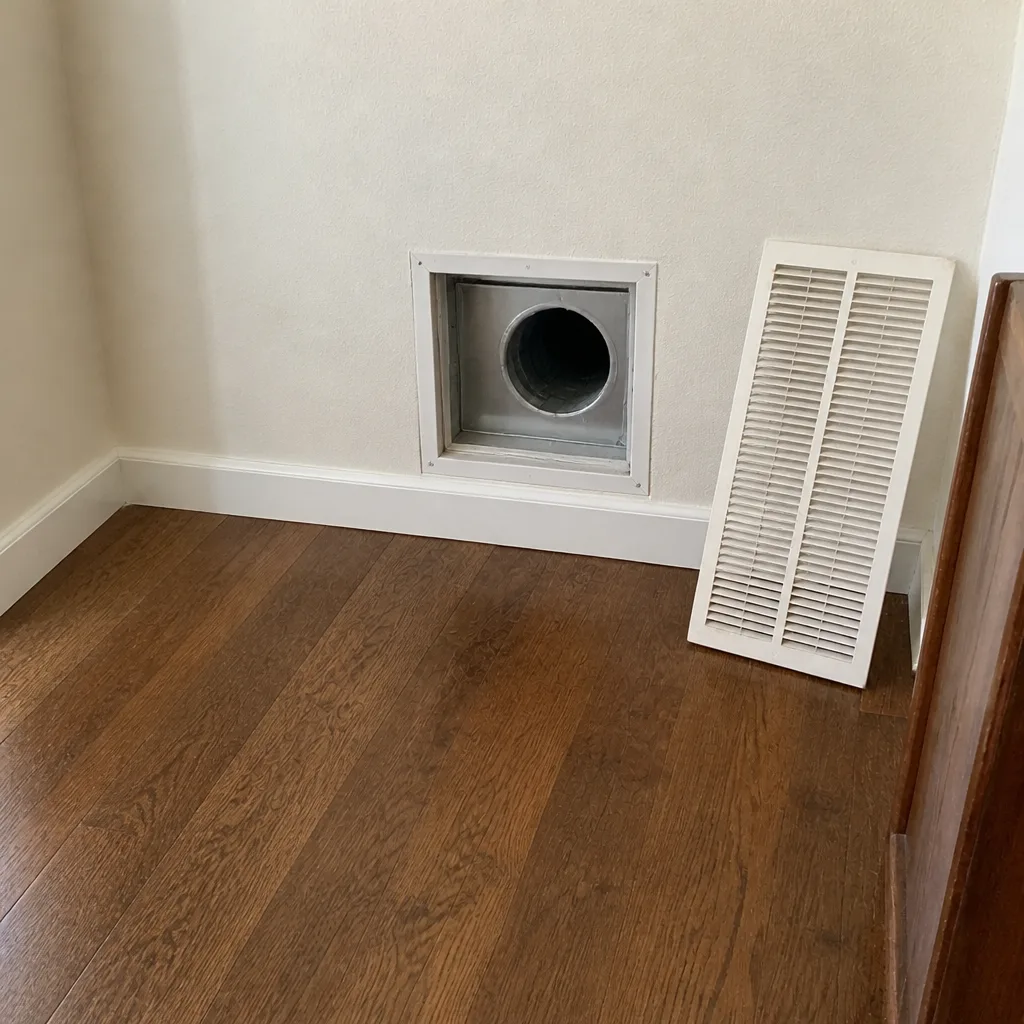
Whole-system duct and dryer vent check with before-and-after photos - you see exactly what came out of your vents
That "$99 whole-house special" is a bait ad - the real number appears once they are in your hallway, or the "clean" is a shop-vac at the register. We photograph the inside of your ducts before and after instead.
Air Duct Cleaning Troubleshooting in Highlands Ranch: Common Problems and How to Fix Them
If your ducts were “just cleaned” and you’re already Googling the same problem again, the cleaning probably wasn’t the issue. The diagnosis was. Most post-cleaning complaints we hear about in Highlands Ranch – musty smells creeping back, airflow that still feels lopsided room to room, a fresh film of dust on the furniture within weeks – trace back to one of a few specific failures you can actually test for yourself. This guide walks you through reading your own system’s symptoms: figuring out whether you’re owed a callback, a duct repair, or a piece of the problem the last cleaner never addressed at all.
Quick Answer
If problems persist after a duct cleaning, the cause is almost always one of three things: the cleaning was contact-based but incomplete (debris was loosened and left behind), a duct has leaks or a disconnected joint that no amount of cleaning can fix, or the source of the smell or dust lives upstream of the ducts themselves – in the air handler, coil, drain pan, or insulation. Cleaning treats the delivery system; it doesn’t treat the equipment feeding it. Diagnosing which one you’re dealing with takes about 20 minutes with a flashlight and your register grilles, and it tells you exactly whether to request a re-clean, book duct sealing, or call for HVAC service.
Styles & brands we work with
- Whole-home duct cleaning
- Dryer vent cleaning
- Camera inspection
- Sanitizing & deodorizing
Table of Contents
- Quick Answer
- How Do You Tell a Poor Cleaning Job From a Duct Leak?
- Why Does the Musty Smell Come Back After Cleaning?
- The Airflow Troubleshooting Checklist: Pressure, Balance, and What Cleaning Should Leave Behind
- How Highlands Ranch Altitude and Dry Air Change the Dust and Static Patterns
- Re-Clean, Seal, or Escalate? How to Decide
- Common Mistakes to Avoid
- When to Call a Professional
- Frequently Asked Questions
- The Bottom Line
How Do You Tell a Poor Cleaning Job From a Duct Leak?
This is the first fork in the road, and getting it right saves you money. A poor cleaning and a leaky duct system produce some of the same complaints – dust returning, uneven airflow, a faint stuffy smell – but the diagnostics are completely different. Cleaning failures live inside the duct; leakage failures live at the seams, boots, and joints where the duct meets your registers and your HVAC equipment.
Start with a visual check at the registers. Pull off a supply grille in a room that feels under-served and shine a light down the run. Quality contact cleaning leaves the interior visibly cleaned – the metal or flex liner should look wiped, with debris physically removed from the walls, not just blown loose. If you can still see a layer of caked dust, dust strands, or construction grit clinging to the sides, the run wasn’t contact-cleaned. Air-only and “blow-and-go” methods push debris off the walls and then leave it to settle back into the same run within days, which is exactly the complaint loop you’re stuck in.
Leaks are a different story. A duct that has separated at a joint, a boot that wasn’t sealed to the floor or drywall, or a flex run with a tear will pull unconditioned attic air – and in Highlands Ranch, that means fine Colorado dust – directly into your supply stream. Signs you’re dealing with leakage rather than a cleaning failure:
- Dust films return fastest in rooms nearest the air handler or in the rooms farthest down a long run
- You feel a noticeable drop in airflow at a register when the system is on
- You hear a hiss, whistle, or rattle coming from inside a wall or ceiling cavity when the fan runs
- The register boot or the drywall around it has a visible gap or crack
- Air coming out of a supply feels tepid compared to what it should
If the run looks clean but one room never gets enough air, that’s a duct problem – leakage, disconnection, or a crushed flex run – not a cleaning problem. Booking a second cleaning won’t fix it. What that run needs is inspection and sealing. Our air duct cleaning starts with that distinction, because a proper job treats the pathway, not just the surface.
Why Does the Musty Smell Come Back After Cleaning?
Because the smell was never in the ducts. In our experience, musty odors that return within days to weeks of a cleaning are almost always coming from one of three sources upstream of the ductwork, and cleaning the ducts only removes the symptom, not the source.
Source one: microbial growth on the evaporator coil or in the air handler cabinet. The coil is wet, dark, and cool – a perfect environment. If the coil has never been cleaned and the cabinet has standing moisture, the fan pulls air across that growth and pushes it through every run in the house. Cleaning the ducts leaves the source intact, so the smell is back almost immediately. This is a job for HVAC cleaning and coil cleaning, not duct cleaning alone.
Source two: a clogged or improperly pitched drain pan and condensate line. A drain pan that holds standing water, or a line with a partial blockage, creates a damp pocket inside the system. During Highlands Ranch’s cooling season, that pocket stays wet between cycles. Cleaning won’t drain it – the pan needs to be cleaned and the line cleared, and in some cases the pitch needs to be corrected.
Source three: degraded or off-gassing insulation. Duct liner and cabinet insulation don’t last forever. When interior insulation breaks down, it can hold odor and shed fibers into the airstream. If the liner is failing, no amount of cleaning fixes it – the affected run needs repair or replacement, which is why a thorough job includes a look at the duct’s interior condition, not just a pass with the brush.
There’s a fourth possibility worth ruling out: general high humidity or a damp crawlspace or basement feeding the return. If the return plenum pulls from a damp space, the whole system smells damp. The testing here is simple – compare the smell at the return grille to the smell at a supply register. If the return smells worse, the problem is upstream of the ducts. If a supply smells worse, it’s in the run. This is exactly the kind of diagnosis we walk through on-site, and it’s why we stock Abatement Technologies containment and filtration equipment for jobs where the problem is more than dust. When a problem isn’t a cleaning problem, cleaning is the wrong tool.
The Airflow Troubleshooting Checklist: Pressure, Balance, and What Cleaning Should Leave Behind
Here’s a checklist you can run yourself in about 20 minutes to narrow down whether your post-cleaning complaint is airflow, cleaning quality, or a system design issue. Work through it in order.
- Check the filter first. A clogged filter alone can cut airflow significantly and mimic a cleaning failure. Pull it, hold it to a light, and if you can’t see through it, replace it. This one step resolves more airflow complaints than any other.
- Test register-by-register balance. On a normal “fan only” call, hold your hand at every supply register in the home. Every register should move roughly comparable air. If two or three are strong and three or four are weak, you have a balance problem – a design issue, a closed damper, or a crushed/leaking run – not a cleaning problem.
- Look for daylight in the plenum and boots. With the system off, check the return plenum and the boots at the floor or ceiling. Any visible gap means leakage, and leakage pulls dirt and attic air into the stream no matter how clean the ducts are.
- Listen at the air handler. A whistling or rushing sound at the cabinet, or a noticeably loud blower, suggests static pressure is too high. High static pressure is measured with a manometer at the plenum – a tool a qualified technician carries – and it tells you whether the system is starved for return air or obstructed somewhere.
- Ask what “negative air” should have left behind. A proper cleaning uses negative pressure at the vacuum source to capture dislodged debris rather than recirculating it into the home. When cleaning is done with a Nikro HEPA-rated vacuum and negative-air setup and contact agitation with a Rotobrush system, the practical result is a home that doesn’t smell dustier the day after. If your home was dustier for days after the cleaning, that’s a red flag on the method used.
- Check the returns. Return grilles and the return plenum collect the heaviest debris. If the returns were skipped, the whole system will re-dirty itself fast. A cleaning that didn’t touch the return side wasn’t a full job.
If steps one through three point to airflow, you likely have a leakage or design issue and need HVAC cleaning plus a duct inspection. If step four or five flags the cleaning itself, a re-clean is justified – but only with a method that captures what it loosens.
How Highlands Ranch Altitude and Dry Air Change the Dust and Static Patterns
Highlands Ranch sits at high altitude with a dry climate, and that combination changes what dust looks like in your ducts and how it behaves after cleaning. It’s a local factor most generic duct-cleaning advice ignores.
The first effect is dust character. Dry air means dust stays fine and airborne longer rather than clumping and settling quickly the way it does in humid climates. Fine dust travels deeper into the system and coats surfaces more evenly, which means air-only cleaning has even less chance of actually removing it – it separates the fines from the wall and lets them circulate. Contact cleaning with a rotary brush is the only method that physically agitates that fine layer off the duct wall.
The second effect is static. Low humidity in Highlands Ranch homes – especially in heated months when indoor air is driest – increases static charge on flex duct liner and on filter media. Charged dust clings stubbornly to the duct surfaces, which is why a run that looks clean at a glance may still have a clinging film. When we clean, the agitation step matters more here than in a humid climate because the debris doesn’t want to release on its own.
The third effect is infiltration. Highlands Ranch’s windy spring patterns and dry air mean more fine outdoor dust finds its way into return air and through leaky boots and joints. If your ducts are sealed poorly, the system will re-dirty faster than in a humid, still climate. This is one reason we treat duct repair and sealing as part of the same air-pathway service rather than a separate project – cleaning a leaky system in Highlands Ranch just restarts the clock. If you’ve noticed dust rebuilding quickly after a cleaning, a leak check is worth the effort before you book another cleaning.
The fourth effect is filtration. Dry-climate homes benefit disproportionately from a well-chosen filter and, where dust is persistent, a filtration or humidity upgrade. Honeywell and Aprilaire product lines are what we recommend because they’re integrated into the same air pathway the cleaning addresses. A cleaning removes what’s there; a filtration upgrade slows what comes back.
Re-Clean, Seal, or Escalate? How to Decide
The decision is simpler than it feels. Match the symptom to the response.
- Request a re-clean if the runs still have a visible film, the return side was skipped, your home was dustier for days after the work, or the cleaning used air-only methods. You paid for contact cleaning, and contact cleaning should leave visibly clean interiors.
- Book duct inspection and sealing if registers are clean but airflow is uneven, if you see daylight at boots and joints, if dust rebuilds in specific rooms, or if the system was re-dirty within weeks. Cleaning is complete; the pathway now has a leak that needs to be closed.
- Escalate to HVAC service if the smell is at the return or air handler, if there’s moisture in the drain pan or cabinet, or if the coil has never been cleaned. This is upstream of the ducts and duct cleaning won’t touch it.
- Get a duct repair assessment if the interior liner is degraded, a run is crushed or disconnected, or you hear a rattle or whistle inside a wall cavity. Damaged duct needs repair before it can be cleaned effectively.
One honest note: if your system was built or last renovated when the home was new, the ducts in Highlands Ranch homes often carry construction debris – drywall dust, sawdust, framing grit – for years. This is unusually stubborn material and it’s not a re-clean situation; it’s a full pathway cleaning with proper containment. If you’ve just bought a home with unknown duct history, a first cleaning with a professional-grade setup is a baseline, not a repeat of someone else’s failed job.
Common Mistakes to Avoid
- Judging a cleaning by the price alone. A lower quote is usually a lower method – air-only or a shop vac, without containment. In a dry Highlands Ranch home, air-only cleaning can actually make the dust problem feel worse for days before it resettles.
- Booking a second cleaning without a diagnosis. If the problem is leakage, mold upstream, or a failed liner, a re-clean just confirms the same failure. Diagnose first, then decide.
- Skipping the return side. Return grilles and plenums collect the heaviest debris. A cleaning that ignores them leaves the source of the re-dirty cycle intact.
- Ignoring the boots and joints. Small gaps at boots matter more in dry, windy Highlands Ranch than homeowners expect. Sealing is cheap relative to cleaning a system twice.
- Chasing smells with air fresheners or duct sprays before finding the source. A spray masks a symptom. If the smell is microbial growth on the coil or in a wet drain pan, masking it doesn’t fix it.
- Assuming a new home’s ducts are clean. Construction debris and drywall dust persist in new-build systems. A first cleaning after move-in is often the most productive cleaning you’ll ever book.
- Not asking what equipment the crew uses. Ask specifically: contact agitation (Rotobrush), HEPA vacuum and negative air (Nikro), and containment. If a company can’t name its equipment, the method is likely air-only.
When to Call a Professional
Call a professional when your own checks point to something you can’t safely resolve – a smell at the air handler, suspected microbial growth, a disconnection you can’t see, or an airflow problem that persists after a filter change. Don’t try to access the air handler cabinet or open duct runs behind drywall yourself; the components there are easy to damage and harder to reach than they look. Also call when the ducts have never been professionally cleaned, when you’ve just moved into a home with unknown duct history, or when a previous cleaning left visible dust or a recurring smell. Highlands Ranch Air Duct Cleaning Pros offers free estimates in Highlands Ranch – call (833) 513-8872. Our technicians have up to 14 years of experience, and we run the full air pathway: Highlands Ranch Air Duct Cleaning Pros, duct cleaning, dryer vent clearing, HVAC cleaning, duct repair and sealing, and air sanitizing.
Frequently Asked Questions
If dirt remains, the cleaning likely used an air-only or blow-and-go method instead of contact cleaning. Contact cleaning physically agitates debris off the duct wall with a rotary brush and captures it with a HEPA vacuum, so a properly cleaned run looks visually clean afterward. If yours does not, request a re-clean. Call (833) 513-8872 for an exact quote – estimates are free.
Because the smell is usually upstream of the ducts – on the evaporator coil, in a wet drain pan, or in degraded duct insulation. Cleaning the ducts removes the surface but not the source. Compare the smell at the return grille to a supply register to narrow it down, then book HVAC cleaning or a duct inspection. Call (833) 513-8872 and we’ll diagnose it on-site.
You need a re-clean if the duct interiors are still visibly dirty. You need sealing if the interiors are clean but airflow stays uneven or dust returns in specific rooms. Highlands Ranch’s dry, windy climate makes leaks re-dirty a system quickly, so the two often go together. Call (833) 513-8872 for an exact quote – estimates are free.
Most homes need cleaning every few years, sooner if you’ve had a renovation, pets, recent allergies, or a new home with unknown duct history. There’s no fixed rule; if the dust returns within weeks or the smell comes back, you need a diagnosis before the next cleaning. Call (833) 513-8872 to walk through your situation – estimates are free.
That usually signals the cleaning used air-only agitation without negative-air containment, so loosened dust circulated through the house instead of being captured. Proper cleaning uses negative air and HEPA vacuum to contain what it loosens, so the air in the home should not get worse. If yours did, a re-clean with proper containment is warranted. Call (833) 513-8872 for an exact quote – estimates are free.
It does. Dry, high-altitude air means fine dust stays airborne longer and clings to duct walls with static charge, so air-only cleaning leaves more behind. Contact agitation with a rotary brush is what actually releases it. Our technicians have up to 14 years of experience with these conditions in Highlands Ranch. Call (833) 513-8872 for an exact quote – estimates are free.
The Bottom Line
Post-cleaning complaints aren’t random bad luck. They break down into three diagnosable causes: a cleaning that didn’t use contact agitation and HEPA containment, a duct system that leaks or has a failed run, or a source upstream of the ducts – coil, drain pan, or insulation. Match the symptom to the fix. Dry returns within weeks? Leakage. Musty smell at the return? Upstream microbial or moisture. Visible dust in the run after cleaning? That’s a re-clean. When you’re ready for a diagnosis instead of another guess, call us – we’ll tell you honestly whether you need a cleaning, a repair, or HVAC service. During the summer our crews run a dryer vent cleaning alongside the air pathway service.
Call Highlands Ranch Air Duct Cleaning Pros at (833) 513-8872 for a free estimate. We answer 24/7. Fast dispatch from 7am to 7pm, Sunday through Friday. One flat price per system agreed before work starts, before-and-after photos of your own ducts, and a satisfaction guarantee. The local pro is licensed and insured as their state requires. Let’s get your air to a state you can actually trust.
Written by the team at Highlands Ranch Air Duct Cleaning Pros.
See the difference
 Before
 After
 Before
 After
 Before
 After