
Last updated November 24, 2026
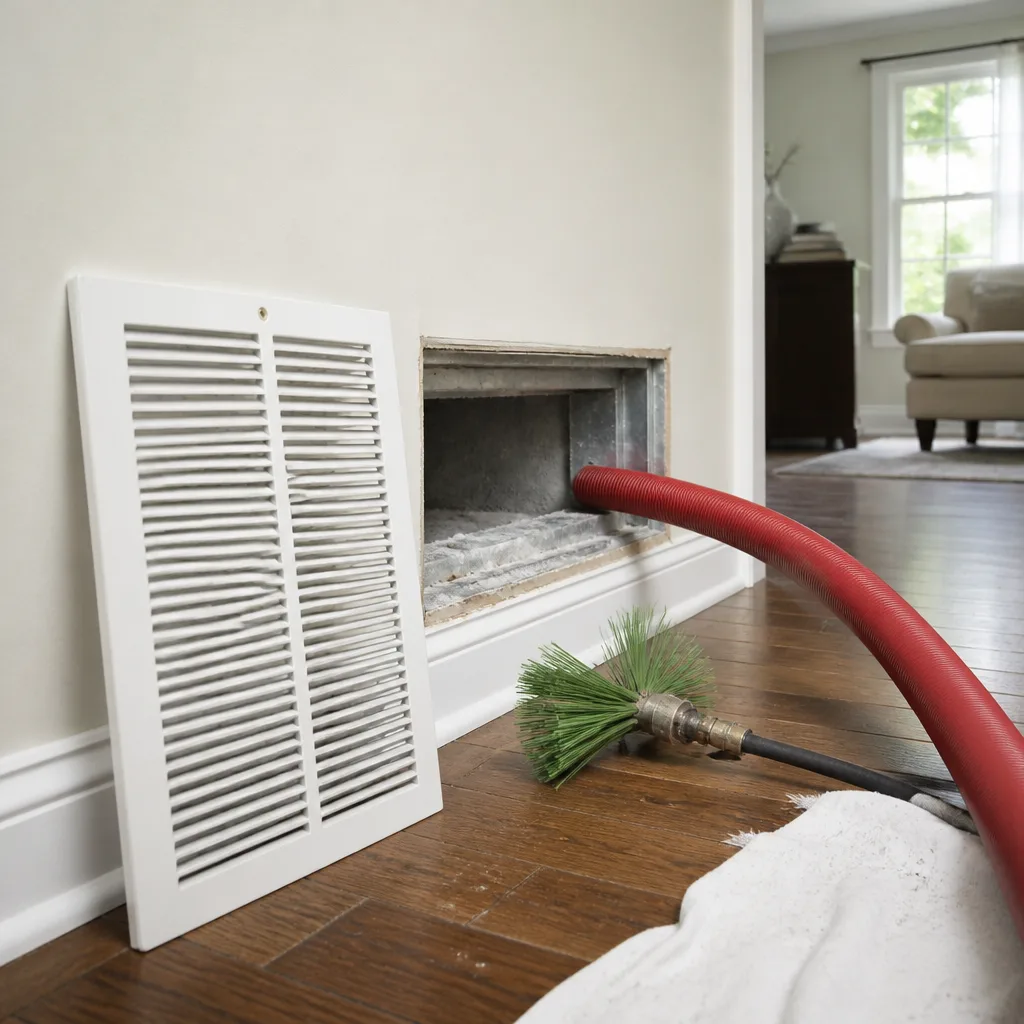 Whole-home duct cleaning
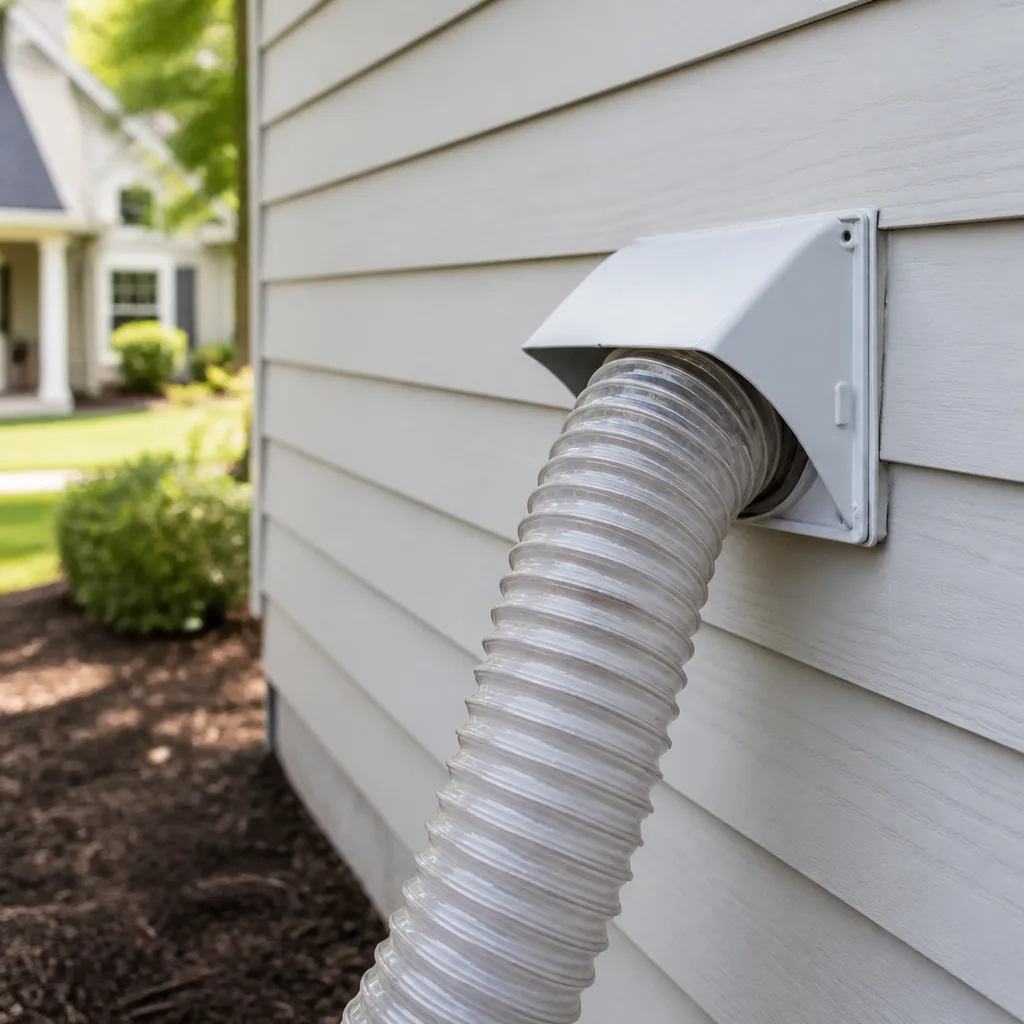 Dryer vent cleaning
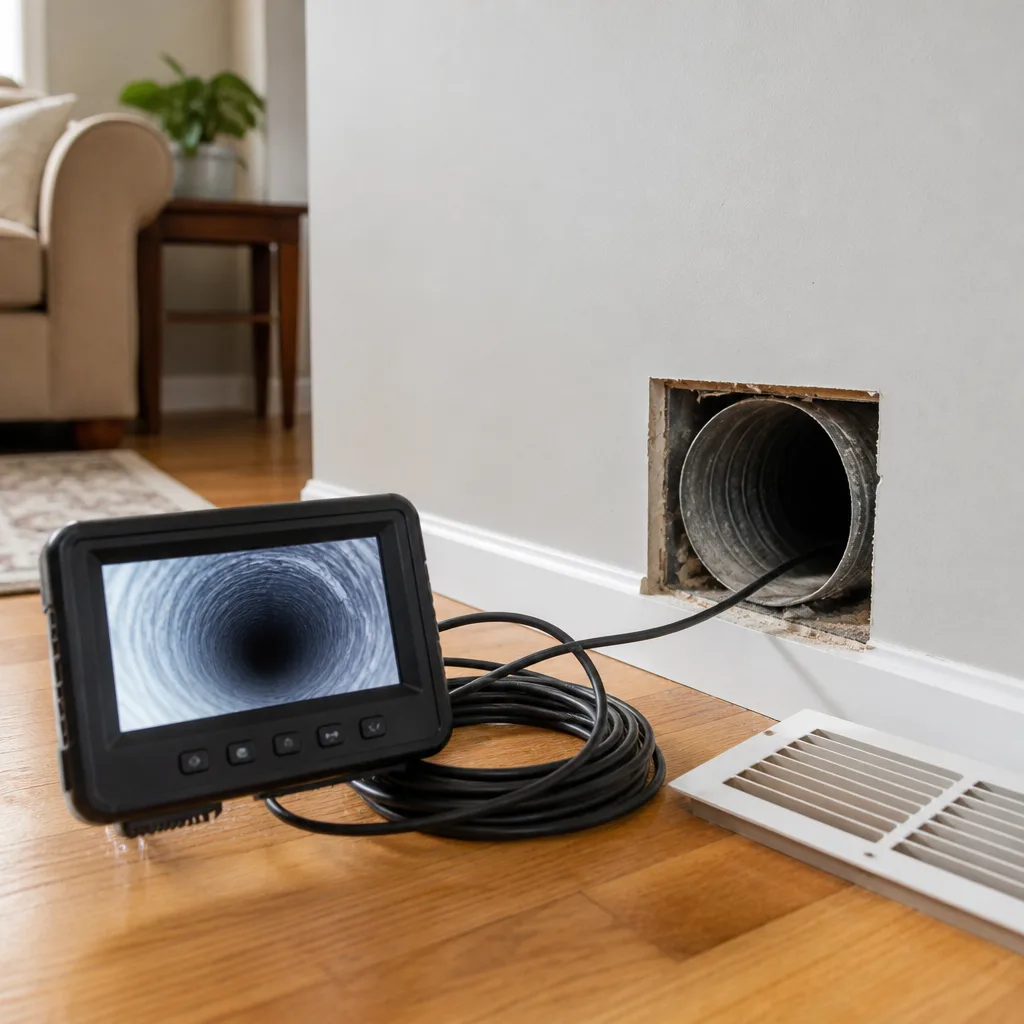 Camera inspection
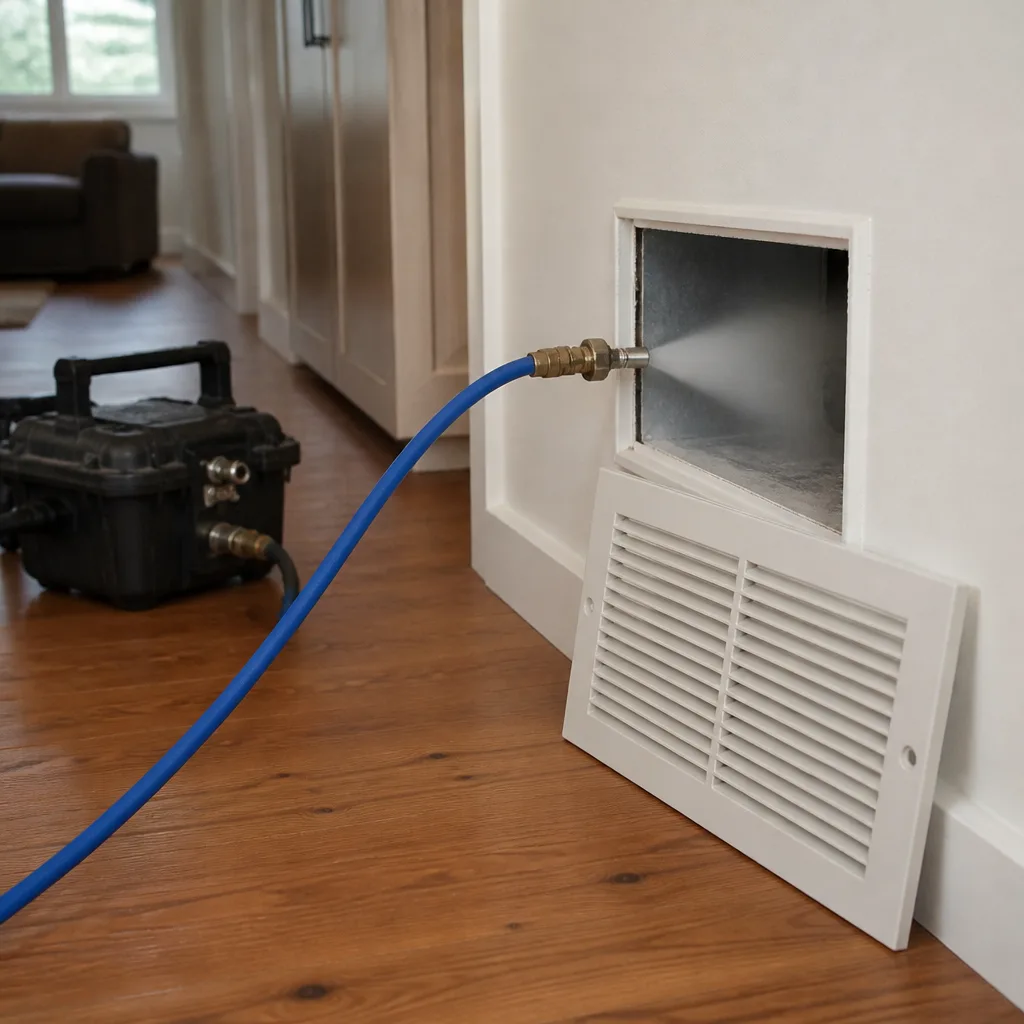 Sanitizing & deodorizing
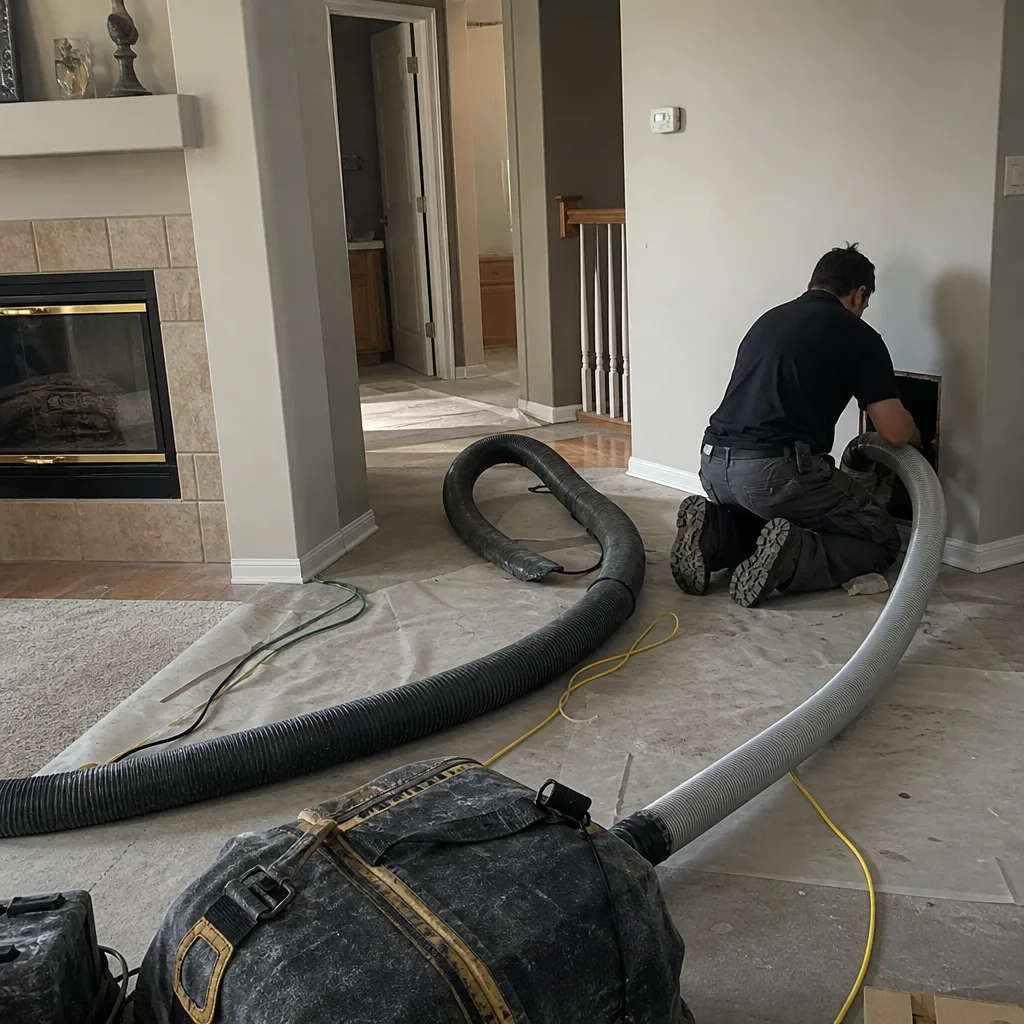
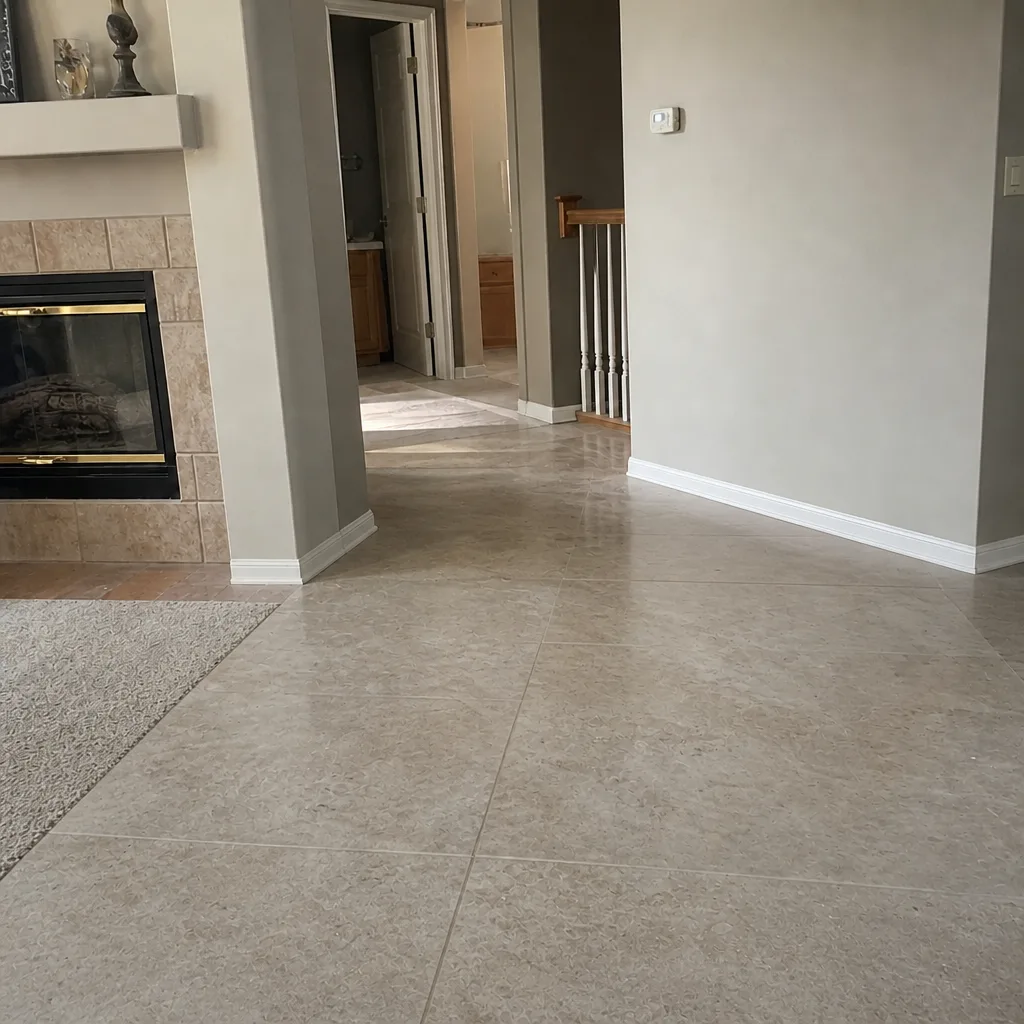
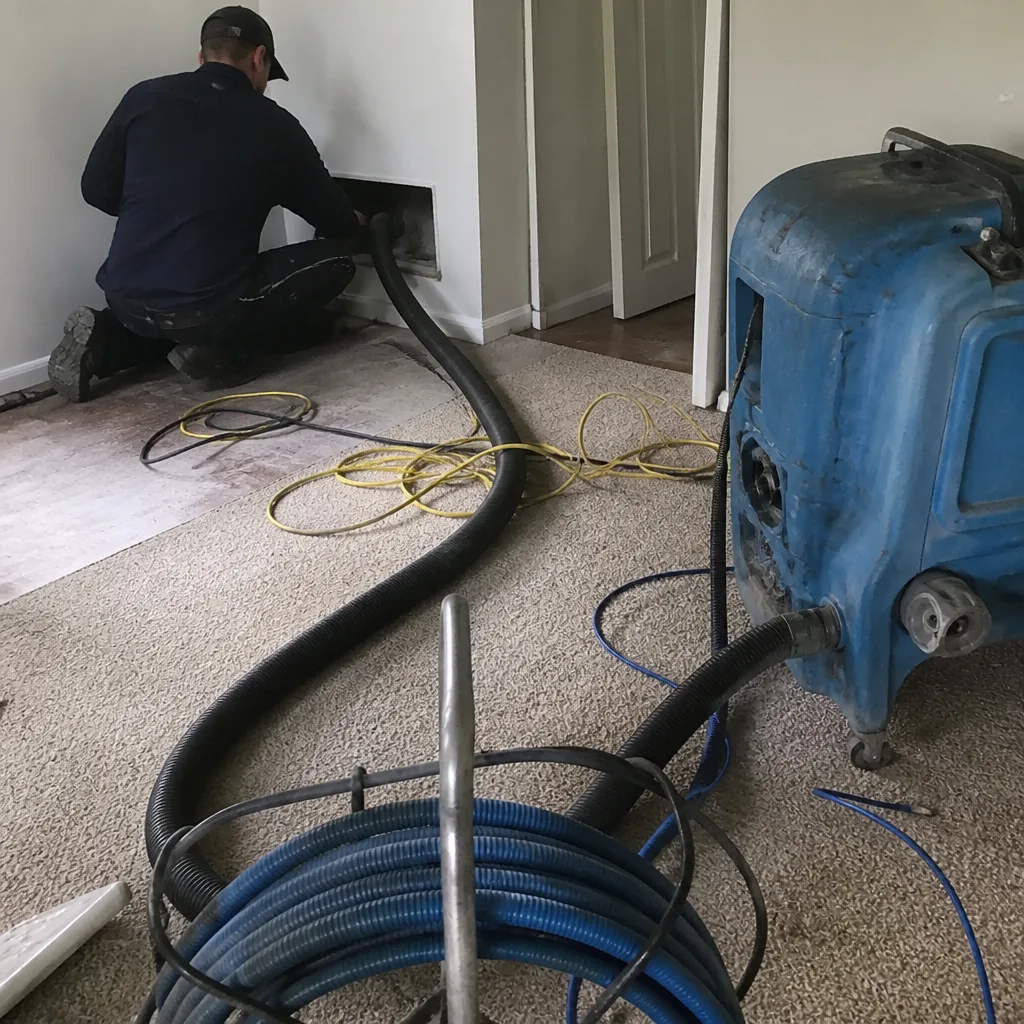
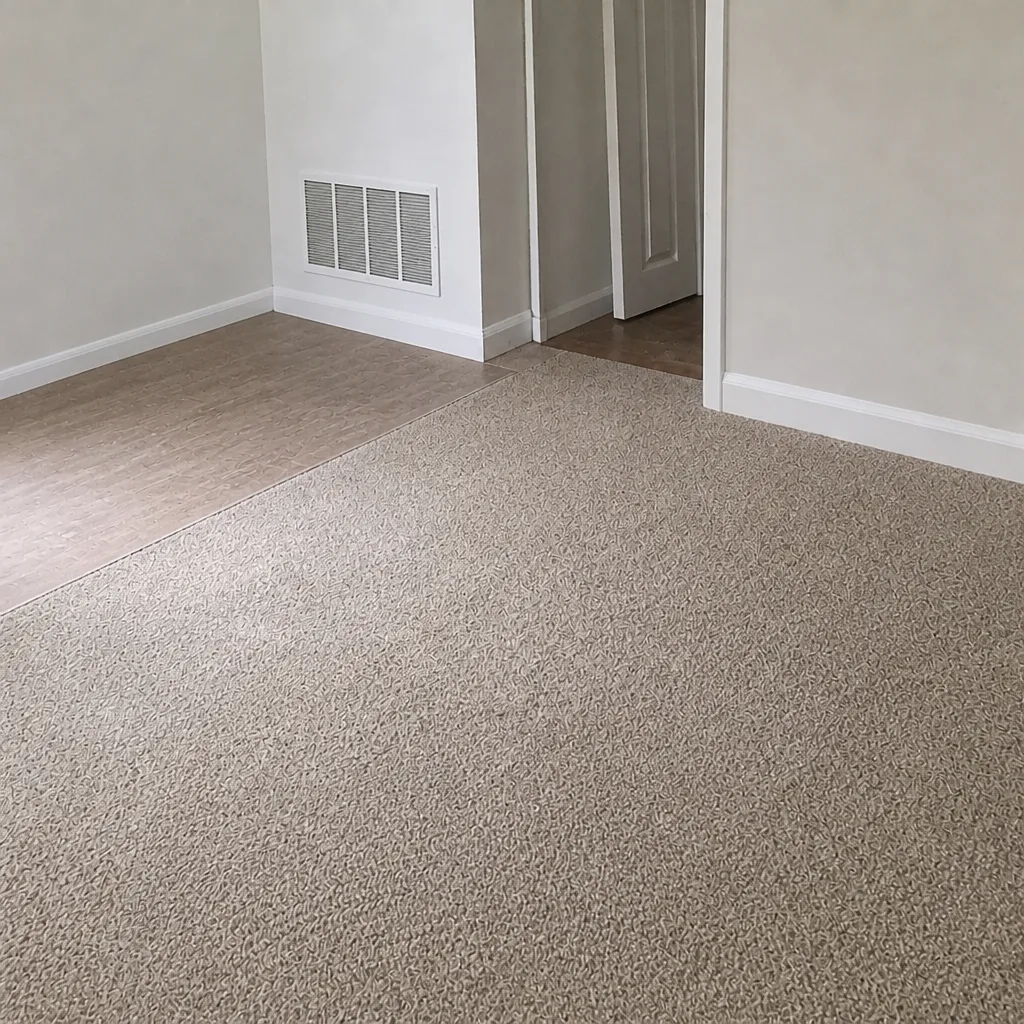
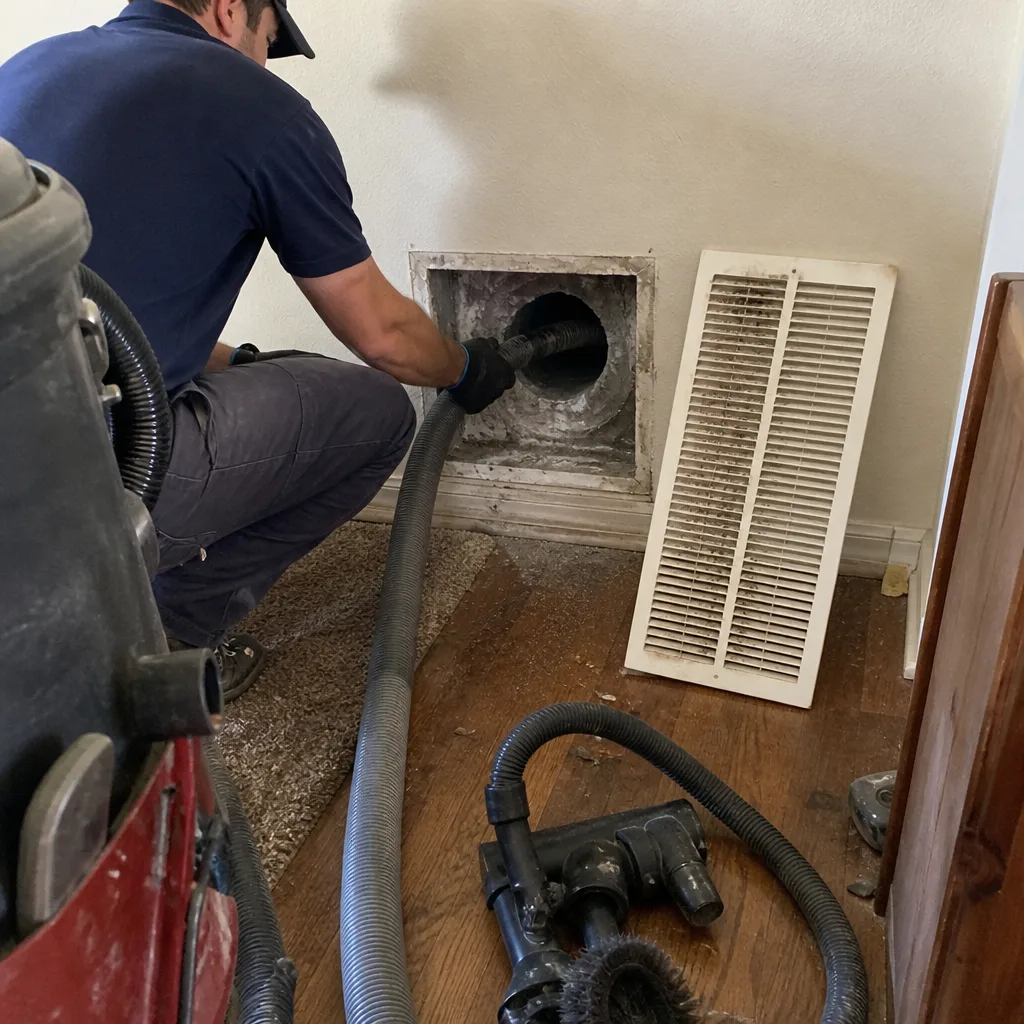
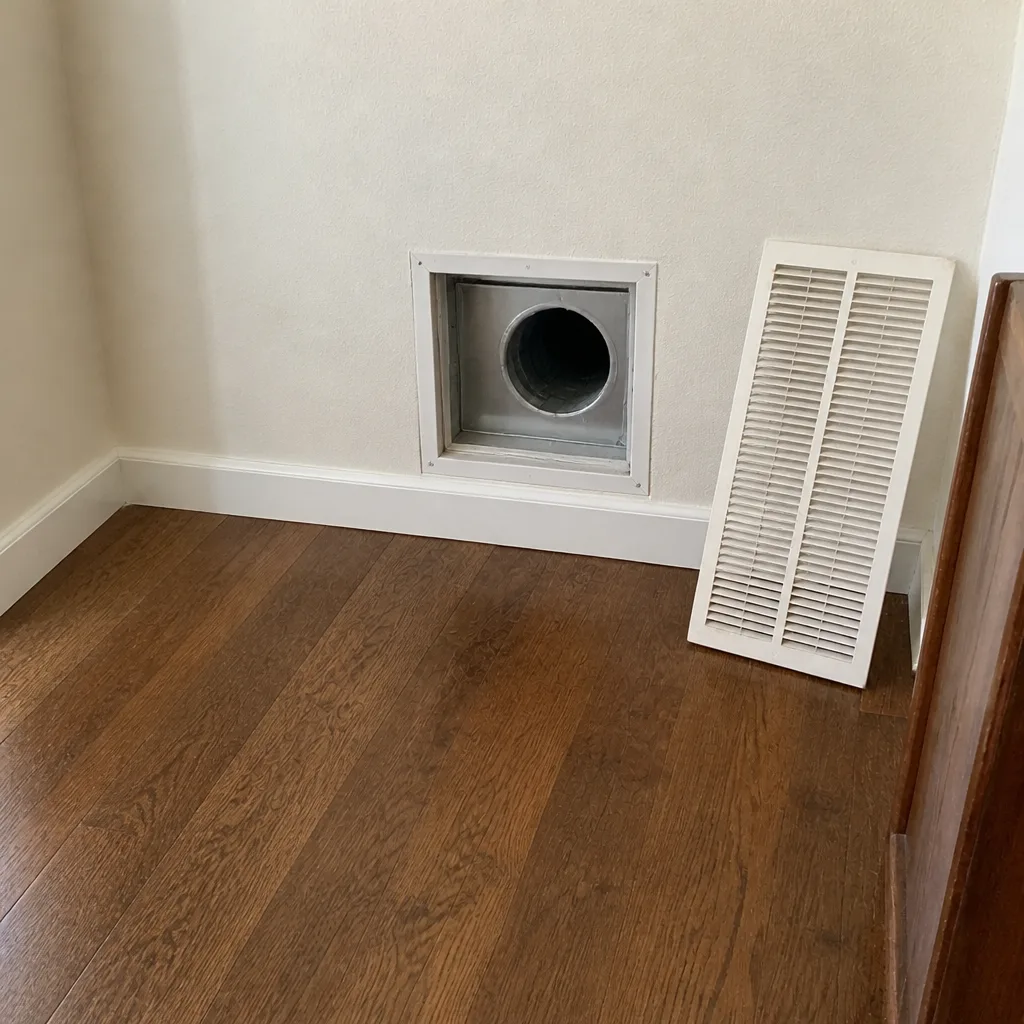
Whole-system duct and dryer vent check with before-and-after photos - you see exactly what came out of your vents
That "$99 whole-house special" is a bait ad - the real number appears once they are in your hallway, or the "clean" is a shop-vac at the register. We photograph the inside of your ducts before and after instead.
Air Duct Cleaning Cost Breakdown: The Highlands Ranch Homeowner’s Reference for 2026
A $149 quote and a $650 quote for the same Highlands Ranch house usually aren’t the same service wearing two price tags. Both ads say “whole house,” which is exactly why homeowners assume one of them is trying to overcharge. The truth is messier and more useful: those numbers reflect different scopes of work, different equipment, and different ideas of what “clean” means. This guide breaks a duct cleaning bill into its actual parts so you can compare quotes on scope instead of a per-vent number. You’ll see what each component costs, why equipment changes the price, and which add-ons earn their place.
Quick Answer
Air duct cleaning in Highlands Ranch typically runs about $89 to $1,200 depending on scope, with most full-home jobs landing in the $400 to $750 range. The low end usually covers supply and return vents in a smaller, simply laid-out home. The high end reflects a larger system, heavy debris, an added air handler or coil cleaning, or sanitizing and sealing work. The written estimate sets your final price, so a serious quote will itemize each component rather than hand you one bundled figure with no breakdown.
Styles & brands we work with
- Whole-home duct cleaning
- Dryer vent cleaning
- Camera inspection
- Sanitizing & deodorizing
Table of Contents
- Why the Same Highland Ranch Home Gets Quotes $1,000 Apart
- Per-Component Pricing: What You’re Actually Paying For
- Equipment Cost Drivers: Negative Air and Rotary Contact Cleaning
- How Home Size, Duct Material, and System Age Move the Price
- Add-Ons With Real Cost Justification vs. Upsells
- What a Suspiciously Low Quote Is Telling You
- Cost Comparison Table: Scope by Scope
- Common Mistakes to Avoid
- When to Call a Professional
Why the Same Highland Ranch Home Gets Quotes $1,000 Apart
Duct cleaning has no industry-wide unit of measure. One company prices by the number of vents, another by the number of rooms, another by the hour, and another by the whole system. That means the same Highlands Ranch house can receive quotes that look comparable on the surface but describe completely different amounts of work. A quote built on a “number of vents times a per-vent rate” model tends to describe a vent-and-grille cleaning. A quote built on the full air pathway tends to include the trunk lines, the air handler, the blower compartment, and sometimes the coil.
The gaps widen with equipment. A shop-vac-and-brush setup and a truck-mounted negative air system are not doing the same job, and they don’t cost the same to run. The first pulls some loose debris from what it can reach. The second depressurizes the duct system so that dislodged material is pulled out and contained instead of settling into the house. When you compare two quotes, ask a single question before the price: what is being cleaned, and with what equipment?
Highlands Ranch makes this comparison harder than most places because the housing stock is so consistent. Most homes here were built between the 1990s and 2000s, in a set of defined neighborhoods with similar floor plans and similar HVAC layouts. That consistency is actually good news. It means a company that works in Highlands Ranch regularly can tell you within a few minutes what a full cleaning should involve for your specific floor plan, and the quote should reflect that. If a quote doesn’t reference your layout or duct count at all, it’s a guess.
Per-Component Pricing: What You’re Actually Paying For
A thorough duct cleaning is a series of component jobs bundled together. Understanding each part separately is the single best way to read a quote. Here’s how the components break down and roughly what each contributes to a typical Highlands Ranch estimate.
Supply Ducts
The supply side pushes conditioned air into your rooms, so it collects the most dust over the years. Cleaning supply ducts involves reaching the trunk lines and every branch run, agitating debris from the duct walls, and pulling it out under negative pressure. This is usually the largest single line in a duct cleaning estimate because it covers the most linear feet of ductwork.
Return Ducts
Return ducts pull air back to the system, and they tend to collect more debris than homeowners expect because they sit at floor or wall level where dust settles. The return trunk is often a single large chase, which sounds simpler than it is. Debris piles up along the bottom of the return chase and can be deep enough to require additional vacuum capacity. Return cleaning is a distinct line item in a fair quote.
Air Handler and Blower Compartment
The air handler houses the blower, and the blower compartment is the dirtiest space in most systems. Dust, pet hair, and debris collect on the blower wheel and the compartment surfaces, and a blower caked with dust can’t move air efficiently. Cleaning it takes the technician into the mechanical closet and adds meaningful time to the job. This is the component most often left out of low quotes, and it’s the one most worth asking about.
The Coil
The evaporator coil, when it’s accessible, is part of the air pathway and collects dust and sometimes biological growth because it stays damp. Coil cleaning is often priced as an add-on because access varies widely by system. In some Highland Ranch homes the coil sits in a plenum that’s easy to reach through an access panel; in others it’s tucked into an A-frame cabinet that takes real effort to clean properly. Ask whether the quote includes the coil and, if not, why.
Why Bundling Matters
Cleaning supply ducts but not the return, or the ducts but not the air handler, leaves a clean path attached to a dirty source. When the system runs, dust from the uncleaned component is pulled back into the freshly cleaned sections within days. Bundling isn’t a sales tactic; it’s the only way the cleaning holds. A quote that prices every component and then bundles them into one flat price per system is the clearest possible structure to read.
Equipment Cost Drivers: Negative Air and Rotary Contact Cleaning
Equipment is where the honest price differences really live. Two companies can quote the same house, agree on scope, and still come in hundreds of dollars apart because one is running professional-grade contact cleaning equipment and the other is running portable units. That gap reflects real operating cost, and it also reflects a real difference in outcome.
Here’s what to compare on the equipment side:
- Rotary contact cleaning (Rotobrush). A rotary brush physically agitates debris off the duct walls while vacuum pulls it away. Air-only or blow-and-go methods push loose dust around without touching the material that’s adhered to the duct surface. Contact cleaning is more labor-intensive and produces a measurably different result.
- HEPA-rated vacuum and negative-air equipment (Nikro). These systems capture dislodged particulates at the source and contain them. Portable shop vacuums without HEPA filtration can recirculate fine dust back into the room, which defeats the purpose of cleaning.
- Containment and air filtration equipment (Abatement Technologies). On jobs with mold, heavy debris, or post-remediation needs, containment equipment keeps contaminants from escaping into living spaces during the work. Not every job requires it, but a company that owns it can handle the jobs that do without improvising.
- Surface protection (Guardsman). Floor and surface protection is a small line that signals a crew that treats your home as part of the job.
The operating cost of truck-mounted negative air systems is higher than portable units, and that difference should show up in the quote. It’s fine to ask which equipment a company plans to use. A crew that answers with a specific brand name and a method is telling you something. A crew that says “we use the best equipment” is not.
How Home Size, Duct Material, and System Age Move the Price
Highlands Ranch homes share a lot of characteristics, but the details still move the price. Here are the three factors that matter most.
- Square footage and number of runs. A larger home has more duct runs and a longer trunk, so more linear feet to clean. Some Highlands Ranch neighborhoods have open floor plans with long, simple runs; others have finished basements with added supply branches that increase the vent count. The estimate should reflect the actual count, not an average.
- Duct material. Sheet metal duct is durable and cleans well with rotary contact equipment. Flex duct is more common in later construction and in retrofit runs; it has ridges that trap debris and requires lower brush speeds and gentler agitation to avoid damage. A mix of both is typical in Highlands Ranch homes, and a good quote notes which runs are flex.
- System age and history. A home built in the 1990s or 2000s that has never had its ducts cleaned carries more accumulated debris than one that was serviced a few years ago. If you’ve recently bought a home with unknown duct history, plan for a heavier clean. The same applies after a major renovation, when drywall dust settles throughout the system.
Add the local climate to the list. Highlands Ranch is dry, and dry conditions keep dust airborne longer, so it settles into return grilles and floor vents more readily than in humid climates. Spring pollen and summer wildfire smoke both load the system from the return side. The result is that a home here benefits from cleaning on a shorter cycle than the vague “every few years” advice you’ll read elsewhere.
Add-Ons With Real Cost Justification vs. Upsells
Add-ons split cleanly into two groups: those that solve a specific problem and those that sound good in a pitch. Here’s how to tell them apart.
Add-ons with a clear outcome
- Sanitizing. A sanitizer is applied after mechanical cleaning to reduce microbial growth on duct surfaces. It makes sense when there’s visible growth, a musty odor, or a history of moisture in the system. It’s not a substitute for cleaning; it’s a follow-on step.
- Duct sealing (Aeroseal). Sealing closes leaks in the duct system, which improves delivered airflow and reduces the load on the HVAC unit. This is a measurable performance improvement, not a cosmetic one, and it’s often worth pricing separately from cleaning so you can see the value on its own.
- UV and filtration upgrades. Installing a higher-efficiency filter or a UV air treatment in the air handler can raise indoor air quality and protect the equipment. Honeywell and Aprilaire product lines are the names most Highland Ranch homeowners will see quoted for this. Tie these to a specific recommendation rather than a blanket add-on.
- Dryer vent clearing. If the technician is already set up with HEPA vacuum and rotary tools, clearing the dryer vent on the same visit is efficient. A clogged dryer vent is a real fire hazard and a common problem in any home that has been running the same vent for many years. Treat it as its own service line, not a throw-in.
Upsells with no measurable outcome
Be cautious with “deodorizing” that masks an odor without addressing the source, and with any add-on priced as a percentage of the main job rather than a fixed scope. If a technician can’t tell you what a product does and how you’d verify it worked, skip it. The before-and-after photos of your own ducts are the only proof that matters, and they should be included in the job either way.
What a Suspiciously Low Quote Is Telling You
A quote far below the local range isn’t automatically a bad deal. Sometimes a smaller home with a simple layout genuinely costs less. But when a quote is dramatically low, it’s worth knowing which corners are usually cut to get there. Here’s what’s typically left out of a low quote:
- The air handler and blower. The dirtiest component is often skipped entirely, which is why a cheap job leaves the system smelling the same a week later.
- Return ducts. Pricing “per vent” can exclude the return chase entirely, because it doesn’t count as a vent.
- Contact cleaning. Air-only or blow-and-go methods cost far less to offer and leave adhered debris on the duct walls.
- Real vacuum equipment. A portable shop vac without HEPA containment leaves fine dust in the air, which is the opposite of what a homeowner with allergies wants.
- Documentation. Before-and-after photos cost the company time; a cheap job often doesn’t include them.
None of this means you should chase the highest quote either. It means the right comparison is scope-for-scope: same components, same equipment class, same documentation. When you line up two quotes that way, the price gap usually shrinks or makes sense. If you’d like to see how a full-scope job is quoted for your home, you can request a free estimate and review the itemized scope before you commit.
Cost Comparison Table: Scope by Scope
Here’s a rough map of what different scopes of work cost in Highlands Ranch. These are typical estimates, not quotes. Your written estimate sets the final price.
| Scope of Work | Typical Range | What’s Included |
|---|---|---|
| Basic vent-and-grille clean | $89 – $250 | Visible supply vents and grilles; light debris only. Does not include trunks, returns, or air handler. |
| Full supply & return cleaning | $350 – $550 | All supply runs and return chase cleaned with rotary contact tools under negative pressure. |
| Full system (supply, return, air handler) | $450 – $750 | Adds blower compartment and air handler cleaning. The most common full-scope job. |
| Full system + coil cleaning | $600 – $950 | Adds the evaporator coil where accessible. Recommended for damp or musty systems. |
| Heavy debris / post-remediation | $950 – $1,200+ | Adds Abatement Technologies containment, HEPA filtration, and extended labor for mold or heavy debris. |
| Sanitizing add-on | By estimate | Applied after mechanical cleaning when growth or odor is present. |
| Duct sealing (Aeroseal) | By estimate | Seals leaks in the duct system; priced separately by the written estimate. |
Two notes on reading this table. First, the ranges assume a typical single-family Highlands Ranch home; a finished basement with extra runs will land higher. Second, the dryer vent is a separate service with its own cost, so don’t expect it inside a duct cleaning figure unless the quote says so.
See the difference
 Before
 After
 Before
 After
 Before
 After
How Does Highlands Ranch’s Housing Stock Affect What You’ll Pay?
Highlands Ranch grew up in a fairly narrow construction window, and that shapes nearly every quote you’ll receive. Homes built from the 1990s into the 2000s tend to share a handful of HVAC traits: flex duct runs mixed with sheet metal trunks, air handlers tucked into closets or basements, and return chases built into the floor plan rather than retrofitted. That consistency is useful because a crew that has worked these floor plans before can size the job quickly and accurately.
It also means most homeowners here face the same core question: this system has been running for a long while, and the duct history may be unknown, especially after a resale. In that situation, a full-scope cleaning is usually the right starting point because it establishes a baseline. From there, you know what you’re maintaining, and future cleanings can be scheduled on a sensible cycle.
The dry climate adds one more wrinkle. Airborne dust stays suspended longer in low humidity, and it finds its way into return grilles and floor vents continuously. Spring pollen loads the return side, and smoke from summer wildfire seasons does the same. Neither is unique to Highlands Ranch, but the combination means filtration upgrades and sealing often pay back faster here than the generic advice suggests. If you’re not sure whether your home is a basic clean or a full-system job, ask for an assessment based on your actual layout.
Common Mistakes to Avoid
- Comparing per-vent prices. Two companies charging the same per-vent rate can be cleaning entirely different things. Compare scopes, not rates.
- Skipping the air handler. It’s the dirtiest part of most Highland Ranch systems, and it’s the component low quotes routinely leave out. Always ask whether it’s included.
- Assuming clean ducts will fix an allergy problem on their own. Cleaning removes accumulated debris, which helps, but filtration and humidity control carry much of the load. Pair cleaning with the right filter and seal leaks to see a real change.
- Hiring on price alone. The cheapest crew with a shop vac can leave the system worse than it started by stirring up dust without containing it. Ask what equipment they’ll use and require before-and-after photos.
- Forgetting the dryer vent. It’s a genuine fire hazard and a separate service. Many homeowners never think to ask, and it’s easy to fold into the same visit.
- Chasing a coupon without reading the scope. A bill that balloons once the technician is on site is the classic bait-and-switch complaint. One flat price per system, agreed in writing before work starts, is the check on that.
- Ignoring the duct history after a resale. If you bought a home here with unknown service records, plan for a full clean and get it documented so you have a baseline going forward.
When to Call a Professional
Call a professional when you notice persistent dust on surfaces within days of cleaning, a musty or stale smell when the system runs, or visible debris around supply and return grilles. The same applies after a major renovation, when drywall dust settles throughout the ductwork, and in any home with a new purchase and an unknown duct history. Households with allergy or asthma concerns, pets, or heavy seasonal pollen exposure should schedule a full-scope cleaning rather than a basic vent job. If your ducts have visible mold growth or heavy debris, that’s a job for professional containment equipment, not a shop vac. Highlands Ranch Air Duct Cleaning Pros offers free estimates in Highlands Ranch – call (833) 513-8872. Call (833) 513-8872. We answer 24/7. Fast dispatch from 7am to 7pm, Sunday through Friday.
These are the services that belong to the same crew so you don’t have to coordinate multiple contractors: air duct cleaning, dryer vent cleaning, HVAC cleaning, duct repair and sealing, and air quality sanitizing. If you’re starting from scratch, the Highlands Ranch Air Duct Cleaning Pros home page lays out how the work is scoped and quoted. One call covers the whole air pathway, and the local pro is licensed and insured as their state requires.
Frequently Asked Questions
Most full-scope air duct cleaning in Highlands Ranch runs about $400 to $750, with a broader range of $89 to $1,200 depending on scope and conditions. A basic vent-only clean sits near the low end; heavy debris or post-remediation work pushes toward the top. The written estimate sets your final price. For an exact number based on your home, call (833) 513-8872 for a free estimate.
Cheap quotes usually leave out the air handler, the return chase, contact cleaning, or proper HEPA vacuum containment. Those components are the ones that actually make a cleaning hold, so a low quote often describes a different, smaller job wearing the same label. Ask exactly what’s included and what equipment is used before you compare prices. Call (833) 513-8872 for an itemized estimate you can compare.
Ask for before-and-after photos of your own ducts, taken during the job. Photos of your system, not stock images, are the proof that the work happened and that the air handler and return were actually cleaned. A professional crew expects this request and includes the photos as part of the job. Call (833) 513-8872 to ask how the work is documented on a free estimate.
For most homes here, a full cleaning every few years is a reasonable rhythm, and sooner if you have pets, allergies, recent renovations, or a new-to-you home with unknown duct history. The dry climate and seasonal pollen and smoke keep loading the return side, so a shorter cycle is often justified. An assessment of your actual layout tells you more than a one-size rule. Call (833) 513-8872 to discuss timing.
Cleaning helps by removing the debris the system is holding, and it’s usually the right first step for a musty smell. The smell itself often comes from a damp coil or a blower compartment, which is why full-scope cleaning includes those components and may include sanitizing afterward. Addressing filter quality and duct leaks completes the picture. Call (833) 513-8872 for an assessment of what’s driving the smell.
Yes, both can be handled on one scheduled visit since the same HEPA vacuum and rotary tools are used for each. The dryer vent is a separate service line with its own cost, and clearing it removes a real fire hazard. Ask for both to be itemized on the estimate. Call (833) 513-8872 to book a free estimate covering both services.
The Bottom Line
The gap between a $149 quote and a $650 quote for the same Highlands Ranch house is almost never fraud. It’s scope. Once you know which components a cleaning should cover (supply, return, air handler, blower, and coil where accessible) and which equipment should be doing the work (rotary contact cleaning under contained negative pressure), two quotes become easy to compare. Look past the headline number. Ask what’s included, how it’s documented, and whether the price is one flat figure per system agreed before work starts. If it is, you’ve found a crew that’s quoting you a job, not a coupon. Call (833) 513-8872. We answer 24/7. Fast dispatch from 7am to 7pm, Sunday through Friday.
Explore more about how the full air pathway is handled at air duct cleaning, dryer vent cleaning, and HVAC cleaning, or start with the Highlands Ranch Air Duct Cleaning Pros main page.
Written by the team at Highlands Ranch Air Duct Cleaning Pros.