
Last updated November 24, 2026
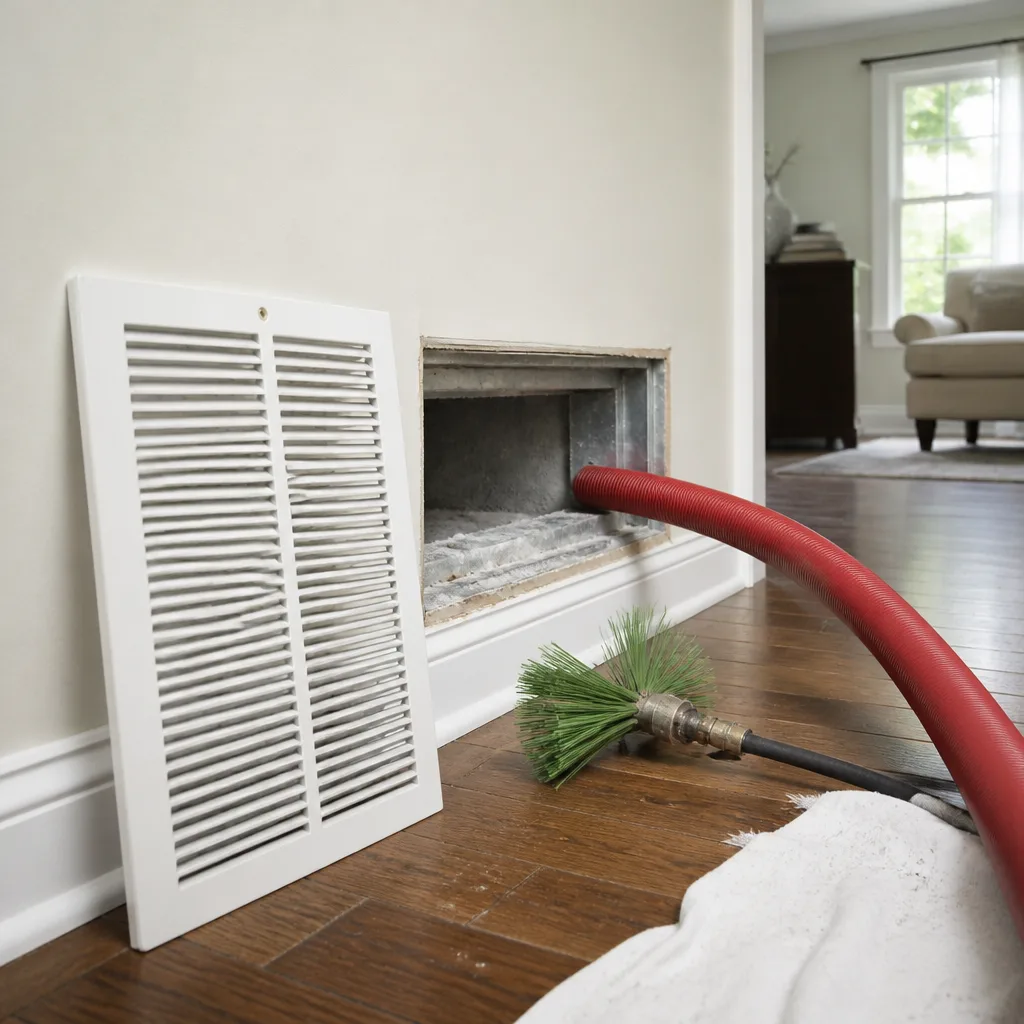 Whole-home duct cleaning
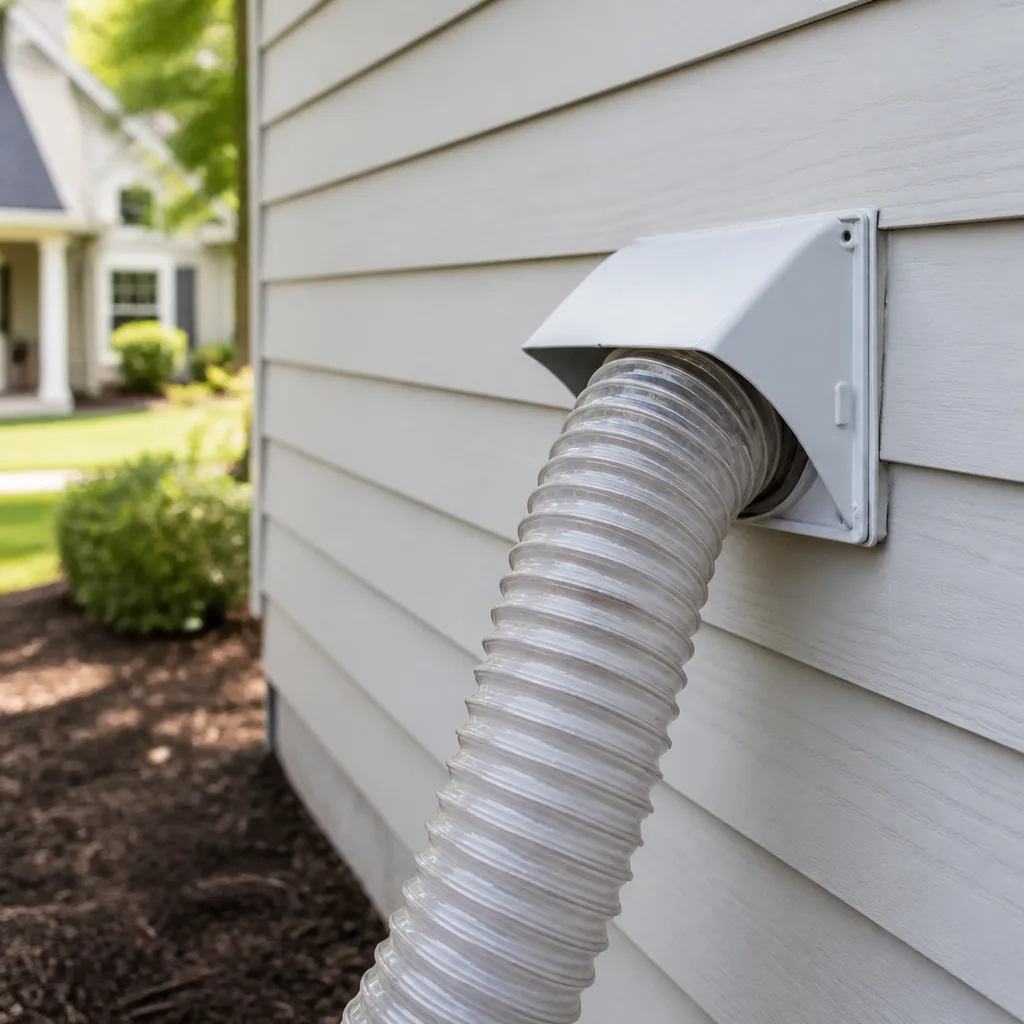 Dryer vent cleaning
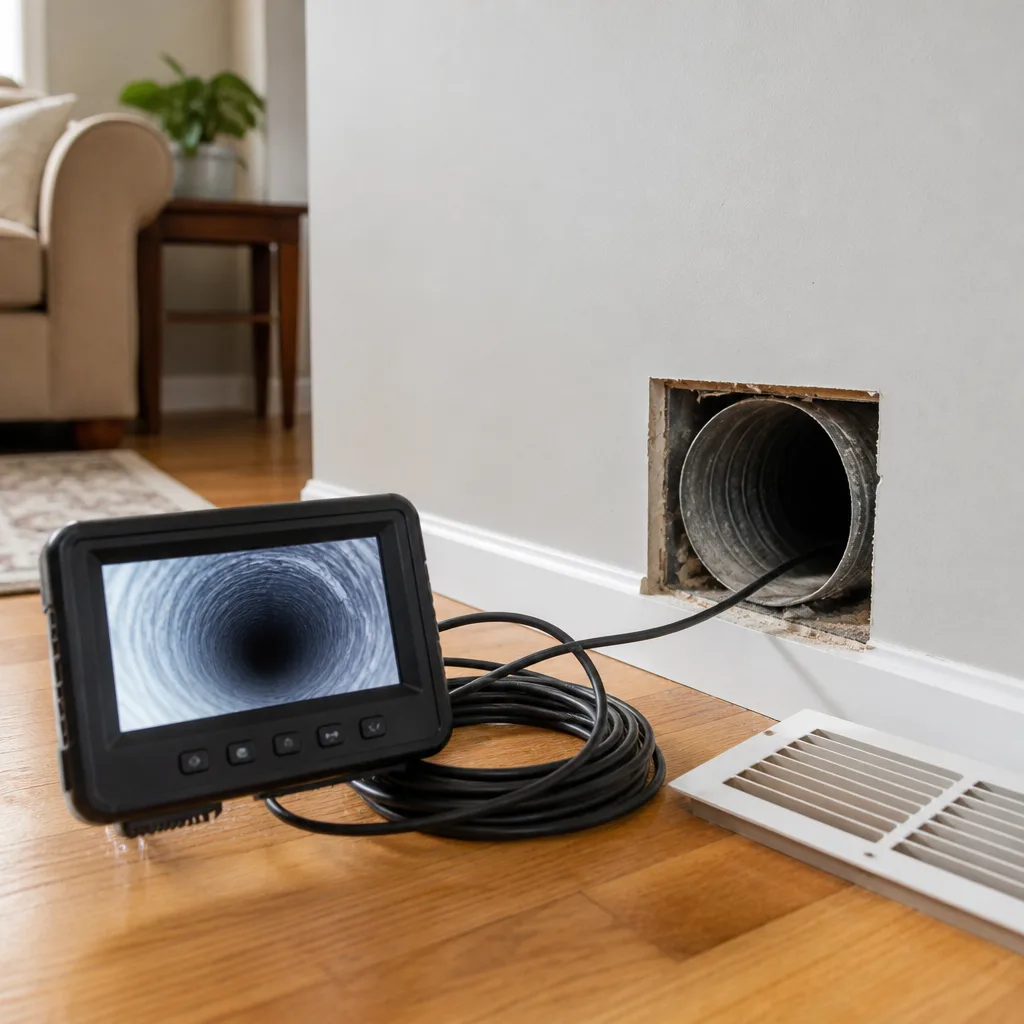 Camera inspection
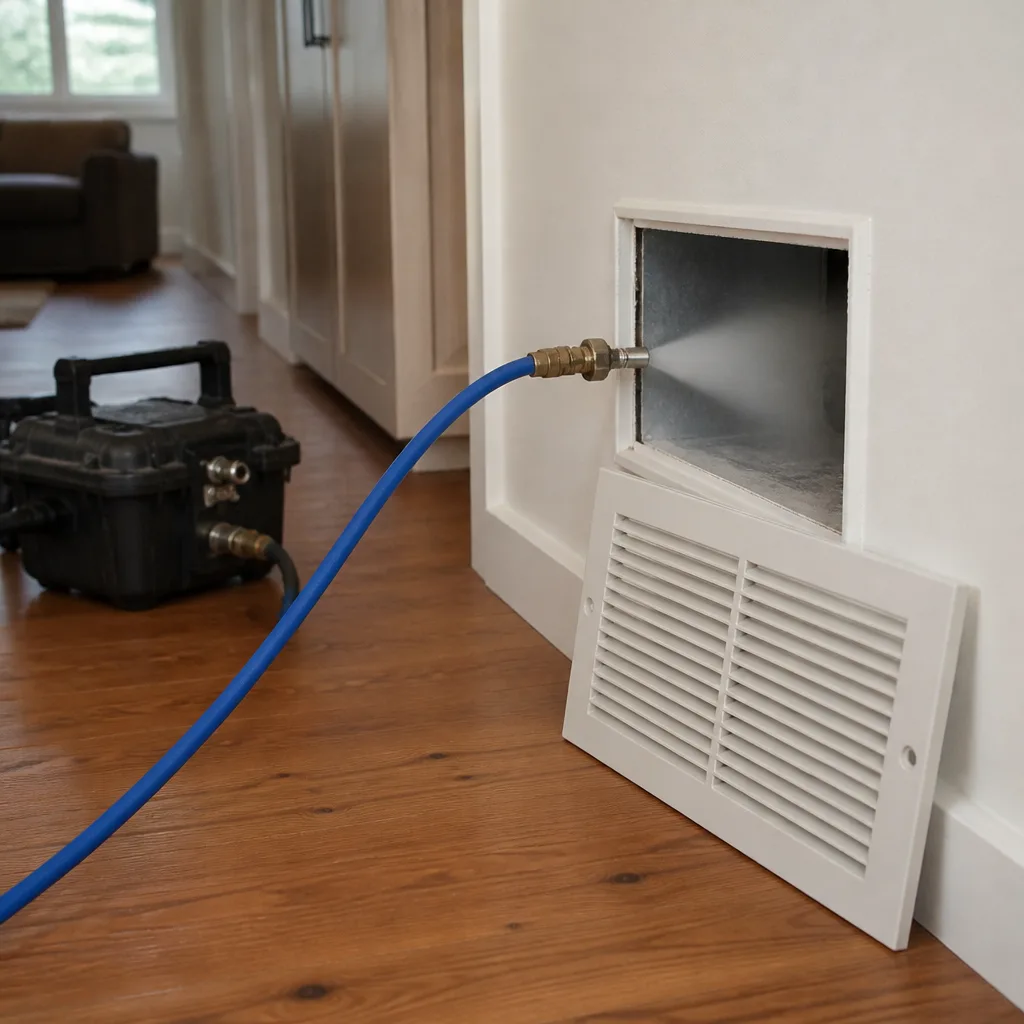 Sanitizing & deodorizing
Whole-system duct and dryer vent check with before-and-after photos - you see exactly what came out of your vents
That "$99 whole-house special" is a bait ad - the real number appears once they are in your hallway, or the "clean" is a shop-vac at the register. We photograph the inside of your ducts before and after instead.
Air Duct Cleaning Warning Signs: A Highlands Ranch Homeowner’s Reference Guide
If one bedroom in your Highlands Ranch home runs 4 – 6 degrees colder than the thermostat setting, the furnace is usually the first suspect. It’s almost always the wrong one. In our experience, that kind of stubborn, room-specific temperature gap more often traces to a disconnected or collapsed duct section than to a failing blower. And it’s the kind of problem that cleaning alone can’t fix. This guide is about reading the signs correctly before you spend money on the wrong solution: how to tell a musty smell from a dusty one, how to test a register with a tissue, and how to map your own temperatures room by room for a few dollars in hardware.
Quick Answer
The core warning signs of a duct problem in Highlands Ranch are uneven room temperatures that persist after filter changes, visible dust on register frames within days of cleaning, musty or burning odors that return when the system runs, and visible debris or loose flex duct at accessible points. Smell and airflow clues matter more than a single dirty register, because they tell you whether you’re dealing with settled dust or an actual breach in the air pathway.
Styles & brands we work with
- Whole-home duct cleaning
- Dryer vent cleaning
- Camera inspection
- Sanitizing & deodorizing
Table of Contents
- The Smell Matrix: What Three Odor Types Actually Tell You
- Normal Dust Settling vs. Active Duct Leakage: The Tissue Test
- Temperature Differential Mapping, Room by Room
- What You Can Safely Inspect Yourself
- When Cleaning Isn’t Enough: Signs You Need Repair or Sealing
- Why Highlands Ranch Homes Show These Signs Differently
- Common Mistakes to Avoid
- When to Call a Professional
The Smell Matrix: What Three Odor Types Actually Tell You
Most homeowners describe every duct odor as “musty” or “dusty” and leave it there. That flattens three different diagnoses into one, which is why so many people buy duct cleaning for a problem that was never a duct problem to begin with. The kind of smell, and where it’s strongest, points to very different causes.
Musty, damp-earth, or wet-cardboard odor
A musty smell that gets stronger when the blower starts points to moisture and organic growth somewhere in the air pathway, most often on the evaporator coil, in the drain pan, or on the interior of a duct run that’s been exposed to condensate. In Highlands Ranch, evaporator coil moisture is the usual culprit in summer. That’s why a thorough job doesn’t stop at the ductwork; ask for HVAC cleaning to be part of the conversation so the coil and drain pan are covered.
Burning or hot-wire smell
A sharp burning smell when heat comes on is usually an equipment symptom, not a duct symptom. Dust burning off a heat exchanger at the start of a season fades in minutes. A persistent electrical or overheating smell that doesn’t clear means the system should be shut off and looked at by a technician. Duct cleaning won’t fix this, and it shouldn’t be sold as if it would.
Chemical or solvent smell
Fresh-paint, adhesive, or solvent odors that seem to circulate to every room fast suggest return leakage is pulling air from a garage, crawlspace, or mechanical room into the supply loop. A breached return loses pressure and draws from wherever it can. That’s a containment problem, not a cleaning problem, and it’s one reason professional jobs use HEPA-rated vacuum and negative-air setup rather than recirculating air.
One useful check: note which rooms smell worst. Odor strongest at a single register points to upstream duct trouble. Odor strongest near the air handler points to the coil and drain. Odor everywhere at once points to a return-side breach.
Normal Dust Settling vs. Active Duct Leakage: The Tissue Test
A dust ring on a vent cover means very little on its own. Every home has some. What separates ordinary settling from a real problem is whether air is being pushed or pulled somewhere it shouldn’t be, and the easiest way to find out is a tissue and a few minutes of your time.
The method is simple. Hold a single-ply tissue against the edge of a supply register while the blower runs. If the tissue is pushed steadily outward across the whole face of the register, airflow is reasonably balanced. If the tissue flutters at one corner but hangs at another, the register is delivering lopsided airflow, which usually points to a kinked, loose, or partly disconnected flex run behind the wall.
Then do two more checks:
- Repeat at several supply registers on the same branch run. If one gives a strong push and the next gives almost none, the loss is between them.
- Hold the tissue at the return grille. The return should pull firmly and evenly. A weak return with strong supplies signals a restriction or a return-side leak drawing air somewhere else.
The same test can spot duct leakage at the equipment. With the blower running, hold a light tissue near the seams and joints where the main trunk connects to the air handler. Movement at a joint means that run is losing air into a mechanical space rather than delivering it to the living space. That’s an easy fix with proper sealing and a very good reason to have a full air pathway check done rather than a quick vac of the visible grilles.
A word of caution: the tissue method is for registers and visible joints in a clean, dry space. Don’t open the air handler cabinet, don’t reach into ducts, and don’t remove panels you’re not confident with. Those are for a technician. Our technicians have up to 14 years of experience reading exactly this kind of clue on arrival.
Temperature Differential Mapping, Room by Room
This is the single most useful thing a homeowner can do for their own system. You don’t need a thermal camera. You need a cheap digital thermometer (the kind you’d buy for a few dollars at any hardware store), a notebook, and about 20 minutes with the system running in one mode.
- Set the thermostat to a consistent setting and let the system run steadily until the house has stabilized. Don’t test during a cycle.
- Pick one point of reference. The register interior at the top of the return grille is a good fixed spot. Note the supply air temperature at the nearest register and treat that as your baseline.
- In each room, hold the thermometer at the same distance in front of each supply register and record the number.
- Record the difference between each room’s supply reading and your baseline. A 4 – 6 degree spread from baseline across rooms is the standard warning sign worth investigating.
- Write the difference on a simple sketch of the house. Rooms that share a run will group together.
The sketch is the part most people skip, and it’s the part that turns scattered numbers into a map. If one or two rooms are consistently cold or warm and the rest are fine, you’re looking at a specific branch run. A collapsed flex duct, a run that was disconnected at a joint, or a poorly positioned return explains it more often than an aging furnace. If every room is off by the same amount, that’s a system-level problem: undersized equipment, a restricted filter, or a return that can’t keep up.
Highlands Ranch sits above 5,500 feet, and the thinner air up here matters. A system that was sized for lower elevations struggles to move the same volume, so duct leaks and kinks show up as bigger temperature gaps than they would at a lower address. If your neighbor’s similar-floorplan house feels more even than yours, that’s a strong clue that duct performance is the difference. Schedule a proper air duct cleaning evaluation before you assume the equipment needs replacing.
What You Can Safely Inspect Yourself
You don’t need any tools to look. You need a flashlight and a healthy respect for the parts of the system you shouldn’t touch. Here are the safe spots and what to look for.
- Return grille face and frame. A thin, even film of dust is normal. Thick fuzz, matted buildup, or visible debris stuck in the grille is a sign of heavy load in the system.
- Supply register interior (looking in, never reaching in). Look for loose insulation fibers, visible dark patches that suggest moisture, or debris pressed against the interior walls. Debris clinging to the duct wall rather than falling loose is exactly what rotary contact cleaning is built to dislodge.
- Visible flex duct in the basement or mechanical space. Look for runs that sag, pinch, or run over sharp angles. A sagging flex run collects dust at its low point and loses pressure, and kinks are where airflow dies.
- The air handler filter. A filter that’s clogged carries dust back through the system instead of capturing it. Change it when it’s gray, not on a calendar.
- Moisture around the air handler. Any standing water or dark, damp residue on the cabinet or drain line should prompt a call.
What to leave alone: don’t remove duct panels, don’t cut into duct runs, don’t open the furnace cabinet, and if you suspect mold, don’t disturb the area. Contaminant scenarios like that call for containment and filtration equipment on the scale of what restoration contractors use, not a household vacuum, which just throws the particles into the room. We keep Abatement Technologies containment and air filtration equipment on hand precisely because those jobs should never be handled casually.
When Cleaning Isn’t Enough: Signs You Need Repair or Sealing
Duct cleaning removes debris. It doesn’t reconnect a collapsed run, seal a joint, or replace a section of damaged line. Yet many homeowners pay for cleaning and stay disappointed because the underlying airflow problem never went away. These signs mean cleaning should be paired with repair or sealing, not sold as a standalone fix.
- Persistent room-to-room temperature gaps after a cleaning. If the uneven rooms behave the same way a week later, the problem is mechanical, not debris.
- A duct run you can hear rattling or whistling. Noise usually means a loose joint or a gap, and air is escaping through it.
- Visible damage at accessible runs. Crimps, tears, disconnected collars, or crushed flex duct all need repair before cleaning makes sense.
- Air coming out of a register that feels weak at the face but strong somewhere behind the wall. That’s lost airflow, and it’s usually a breach or a long, undersized run.
- Return air drawn from a garage, crawlspace, or mechanical room. That’s a sealing job, and a serious one, because it means air you don’t want is being pulled into the supply loop.
Duct repair and sealing are their own service category alongside cleaning for that reason. The right answer for a collapsed run isn’t a more aggressive clean; it’s to fix the run, seal the joints, then clean the pathway so the whole thing works together. Doing it in one visit keeps you from paying twice and keeps a single team accountable for the outcome.
Dryer vents are the same story, and most homeowners never think to check them. A dryer that takes forever to dry a load, or a laundry room that runs humid, is a warning sign in its own right. That’s dryer vent cleaning, a separate service with its own risk profile, and one worth scheduling alongside duct work if you’ve never had it looked at.
Why Highlands Ranch Homes Show These Signs Differently
Highlands Ranch’s dry, high-desert climate shapes duct behavior in ways that coastal or low-elevation guides never mention. Our air is dry most of the year, and our summers are hot, so cooling systems run long and hard. That combination matters.
Persistent dry air pulls moisture out of the home, and the system compensates by running cooling cycles longer than it would in a humid climate. Long cooling cycles mean the evaporator coil stays wet for stretches, and that moisture, not a dirty duct, is often the source of a musty smell. It’s why we look at filtration and humidity control upgrades with Honeywell and Aprilaire when a musty smell keeps coming back. Pairing cleaning with a proper filtration improvement often resolves the underlying issue in ways cleaning alone can’t.
Winter is the opposite. Heating runs dry, and static electricity lifts dust off surfaces and into the return. That’s why Highlands Ranch homeowners notice dust rings returning fast on register covers even after a recent cleaning. It’s also why we use Guardsman surface-protection products during service: dust and debris get moved, not scattered, so the home isn’t worse off during the job than it was before it.
Then there’s the volume issue. Thin air at elevation makes every leak and every kink a bigger percentage of lost airflow than it would be at a lower address. A system that’s doing fine at sea level is working harder up here for the same result. Roof insulation and window performance matter, but in our experience the ducts are the most overlooked variable. If your Highlands Ranch home has temperature swings, the duct path is the first place to look.
Common Mistakes to Avoid
- Blaming the furnace before checking the ducts. A cold room almost always gets a new furnace quote before anyone maps the temperatures. Map first, then decide.
- Buying a dirt-based service. Duct cleaning should be sold on method: rotary contact cleaning and proper HEPA containment, not on a cheaper price for a surface pass. Ask what equipment will be used, and ask to see before-and-after photos of your own ducts.
- Cleaning when the problem is a leak. Cleaning a duct system with a disconnected run leaves the actual airflow problem in place. Repair and sealing need to be part of the conversation.
- Dusting and vacuuming more because of visible dust. Visible dust returning within days after a clean usually means the return path is pulling from somewhere it shouldn’t. Cleaning the house harder doesn’t stop it.
- Treating every smell the same. Musty, burning, and chemical odors mean three different things, and one of them isn’t even a duct problem. Match the fix to the smell.
- Skipping the filter. A clogged filter depresses airflow across the whole house and can make an otherwise healthy system behave like a failing one. Change it before you spend money on anything else.
- Letting multiple contractors own different parts. Cleaning from one, repair from another, filtration from a third leaves nobody accountable for the result. One team, one system, one outcome.
When to Call a Professional
Some signs are safe to live with for a while. Some aren’t. Call a professional if you find visible damage to accessible duct work, persistent temperature gaps that survive a filter change and a proper test, a musty smell that returns every time the system runs, or evidence of moisture around the air handler. Call immediately if you suspect mold inside the ductwork, if you smell a burning odor with heat on, or if a return is drawing air from a garage or crawlspace.
For anything on this list, a free estimate removes the guessing. Highlands Ranch Air Duct Cleaning Pros offers free estimates in Highlands Ranch, with a flat price per system agreed before work starts, a proper written estimate that sets the final price, and before-and-after photos so you know exactly what was done. Call (833) 513-8872. We answer 24/7. Fast dispatch from 7am to 7pm, Sunday through Friday.
See the difference
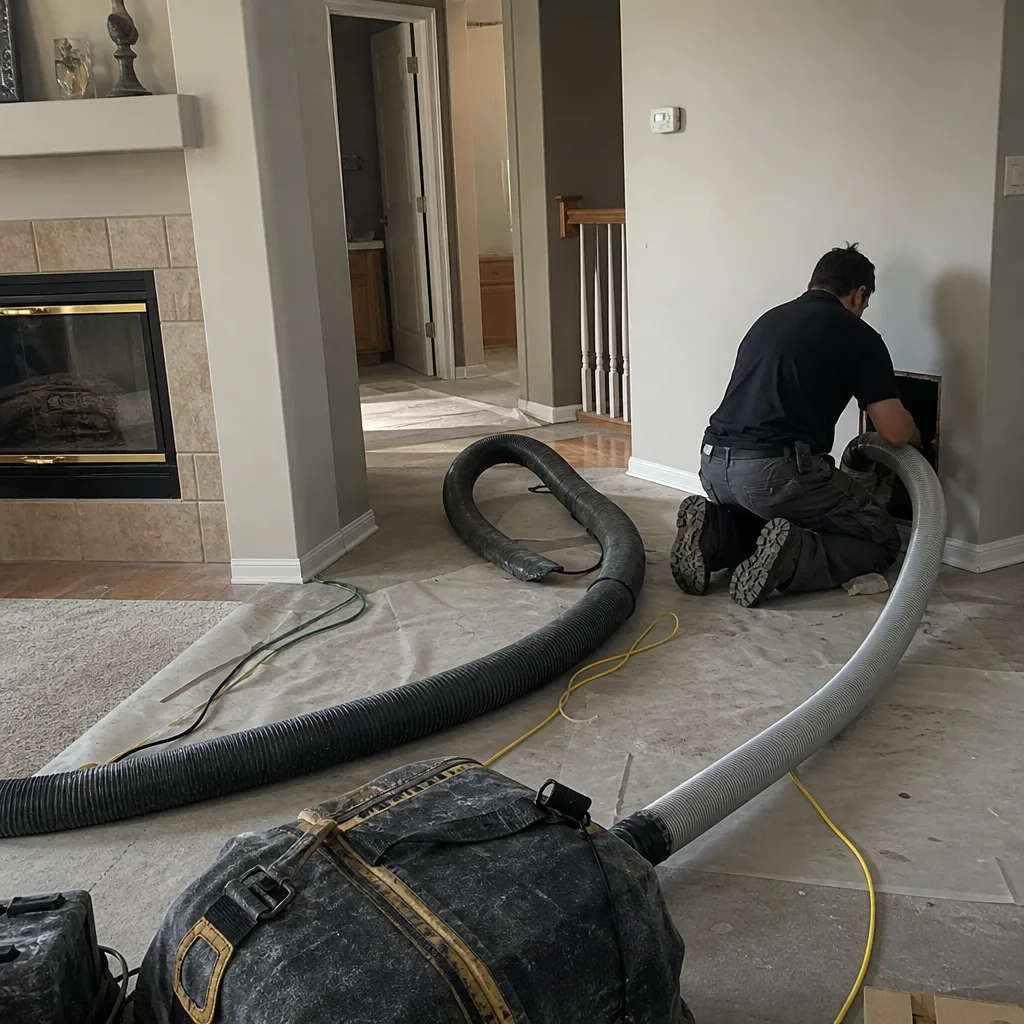 Before
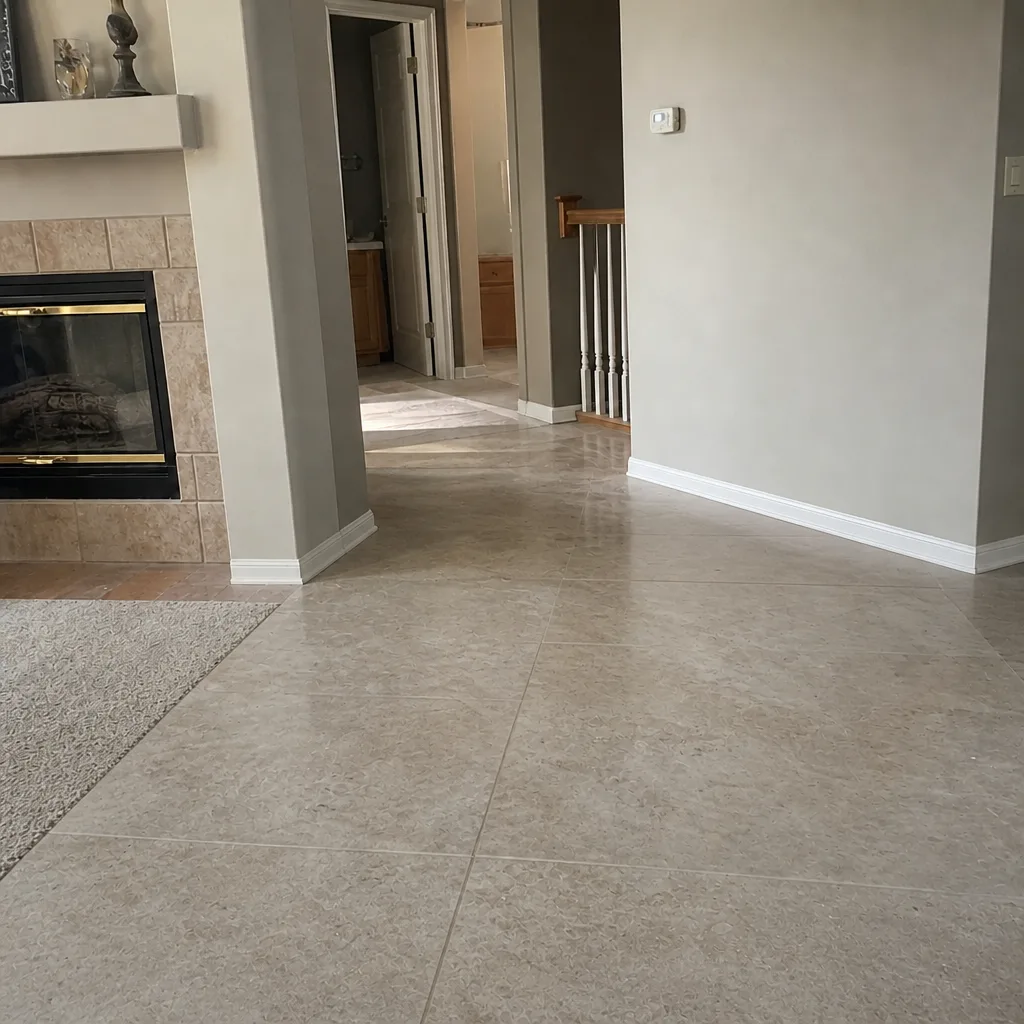 After
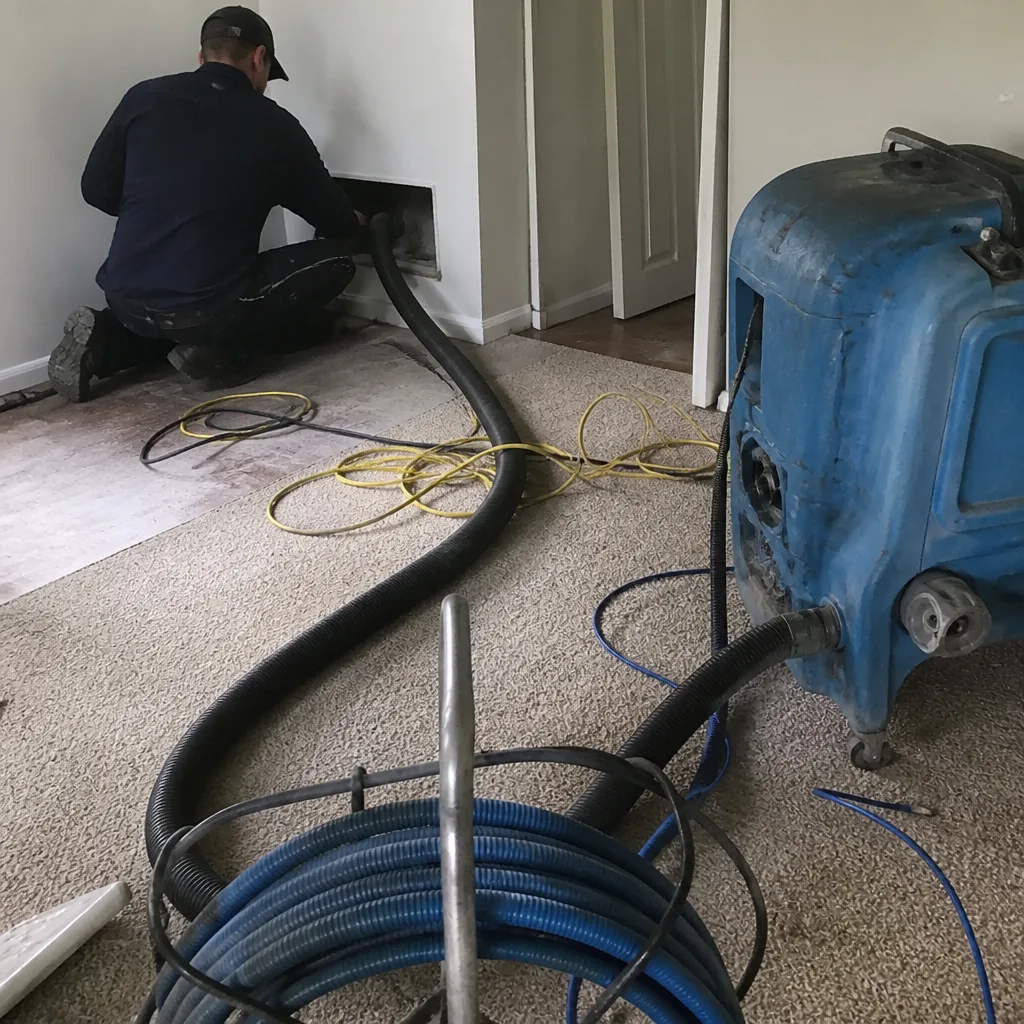 Before
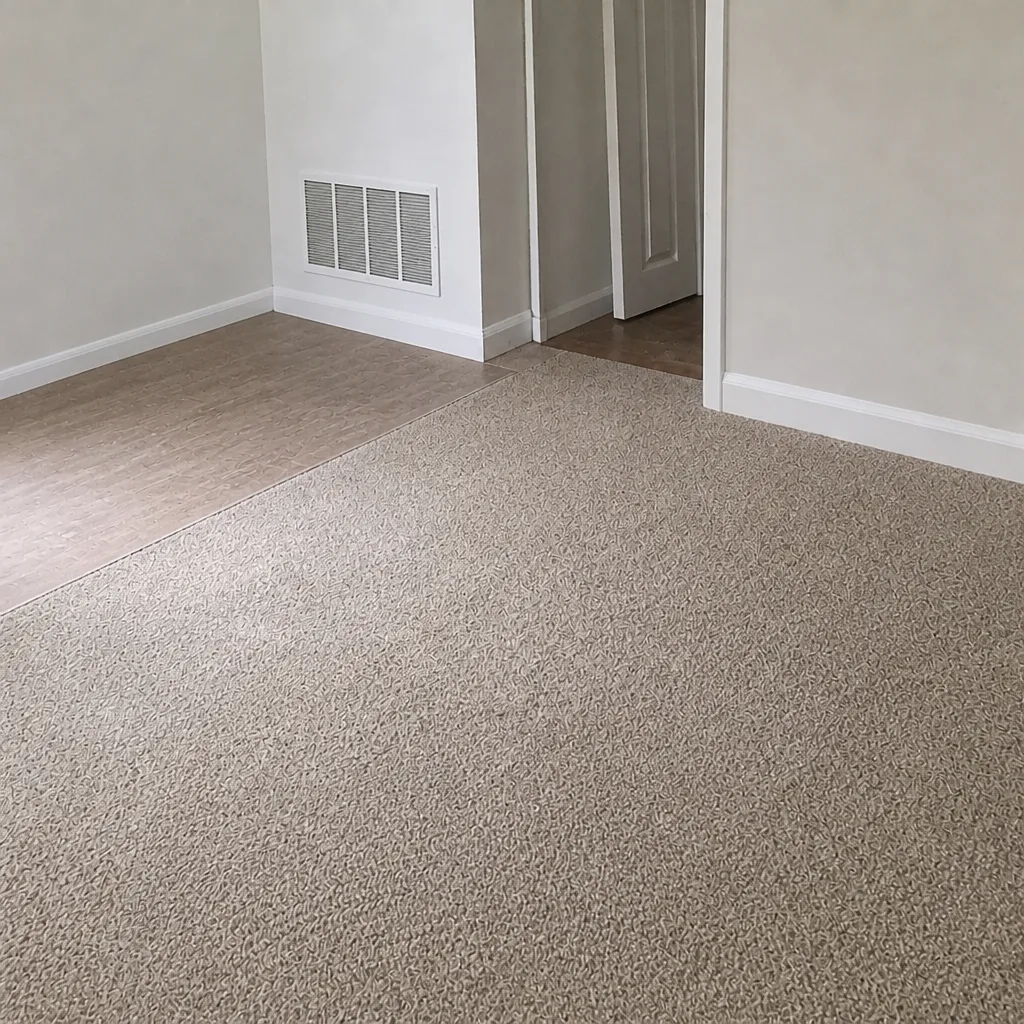 After
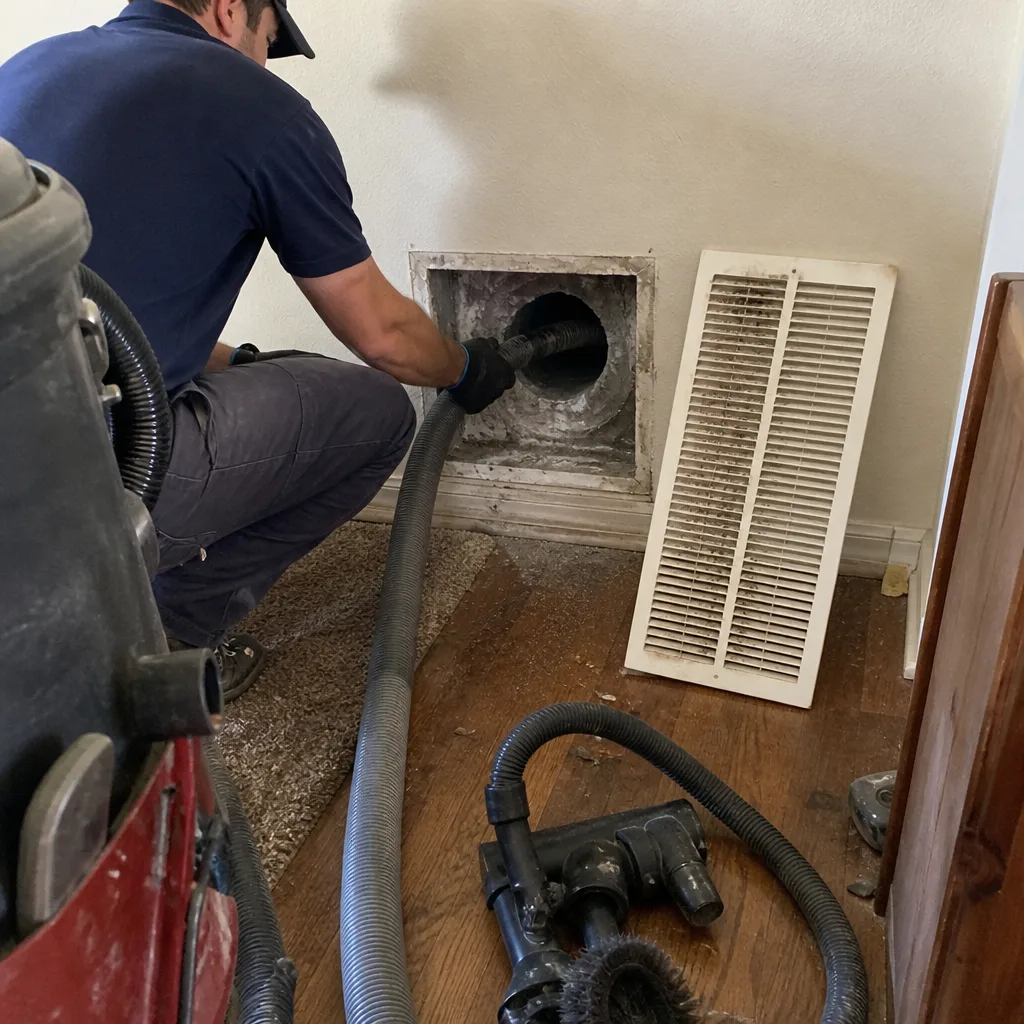 Before
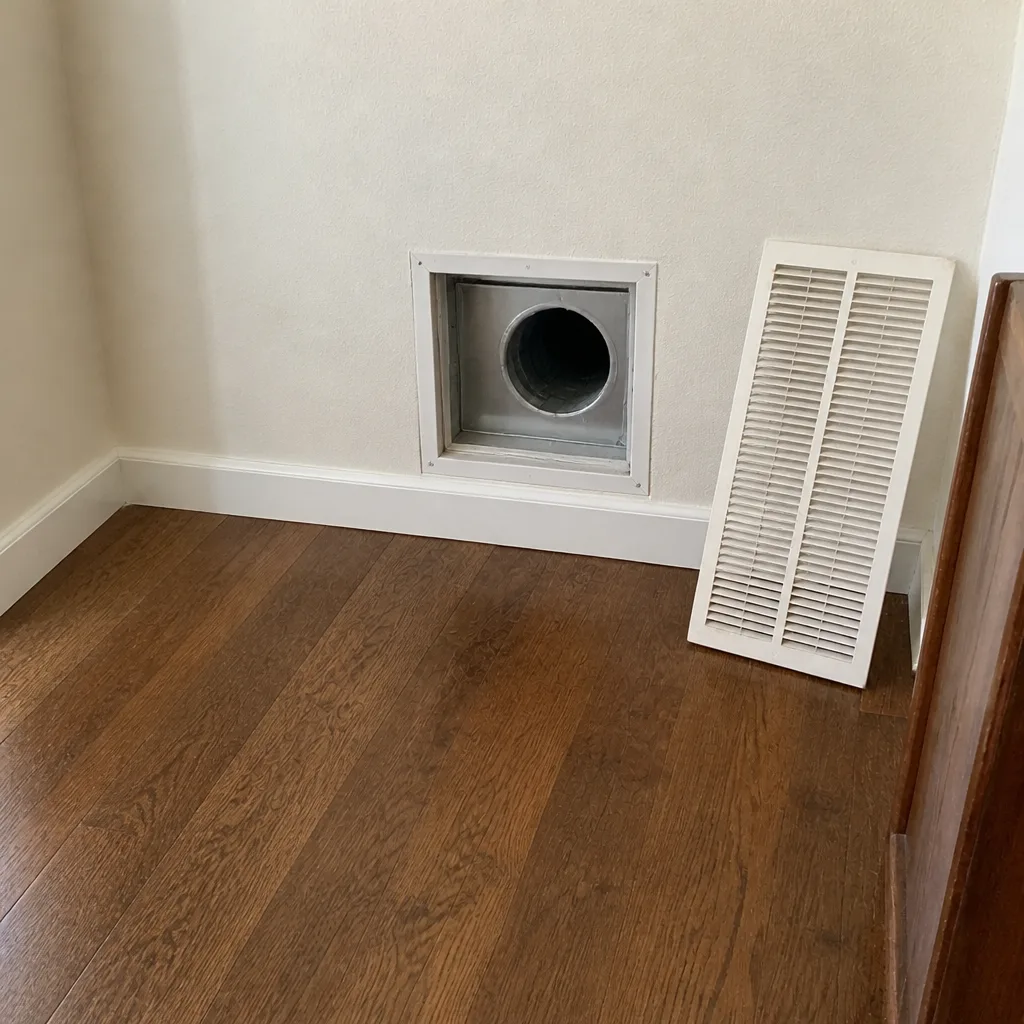 After
Frequently Asked Questions
A whole-system cleaning in the Highlands Ranch area typically runs a few hundred dollars, and the exact figure depends on the size of the system, the number of runs, and whether repair or sealing is needed. We quote a flat price per system before work starts, never a per-vent price that grows once the technician is on site. Call (833) 513-8872 for an exact quote – estimates are free.
Low quotes usually reflect a fast surface pass with air-only or blow-and-go equipment, which can loosen debris without capturing it, so particles end up back in the living space. A thorough job uses rotary contact cleaning to agitate debris off duct walls and HEPA-rated vacuum with negative air to capture it, which takes longer and uses more equipment. That method is why our quoted price holds once the technician arrives. Call (833) 513-8872 to walk through what a proper job involves for your home.
Ask for before-and-after photos of your own ductwork, and take them at the start of the job so there’s a real baseline. Any crew confident in the work will gladly document it. We photograph the system before and after every job so you can see the difference in your own ducts, not stock images. Call (833) 513-8872 to set up a free estimate.
Many households go years between cleanings, and that’s often fine. More frequent cleaning makes sense if you have pets, allergies or asthma, recent renovations, or a newly purchased home with unknown duct history. If you’ve never had it done and don’t know what’s behind the registers, a single thorough clean is the right starting point. Call (833) 513-8872 for an assessment.
Temperature gaps that are room-specific often trace to a duct problem, not insulation. Insulation helps overall heat loss, but it can’t fix a collapsed flex run or a disconnected joint that’s dumping air into a wall cavity. A proper check covers the full air pathway, and repair or sealing gets scheduled alongside cleaning. Call (833) 513-8872 for a free estimate.
No. Duct interiors should be cleaned with rotary contact equipment and HEPA vacuum containment, not by hand, and opening ductwork or the air handler cabinet carries real risk to both the system and the person. Leave the interior work to a trained technician. We answer 24/7 at (833) 513-8872 and can set up a free estimate.
The Bottom Line
Most duct problems announce themselves long before a homeowner recognizes them. Uneven rooms, recurring dust, and specific smells are all signals. The trick is reading them correctly. Map your temperatures, run the tissue test, and match the smell to the right cause. If the signs point to a leak, a collapse, or a sealing problem, cleaning alone won’t fix it. What you want is a full air pathway check with professional-grade equipment, a flat price per system agreed before work starts, and before-and-after photos of your own ducts. That’s the difference between a fix and a guess.
For a system that covers cleaning, repair, sealing, and filtration in one visit, see how the Highlands Ranch air duct cleaning pros approach the full air pathway.
Call (833) 513-8872 for a free estimate. We answer 24/7. Fast dispatch from 7am to 7pm, Sunday through Friday.
Written by the team at Highlands Ranch Air Duct Cleaning Pros.