
Last updated November 24, 2026
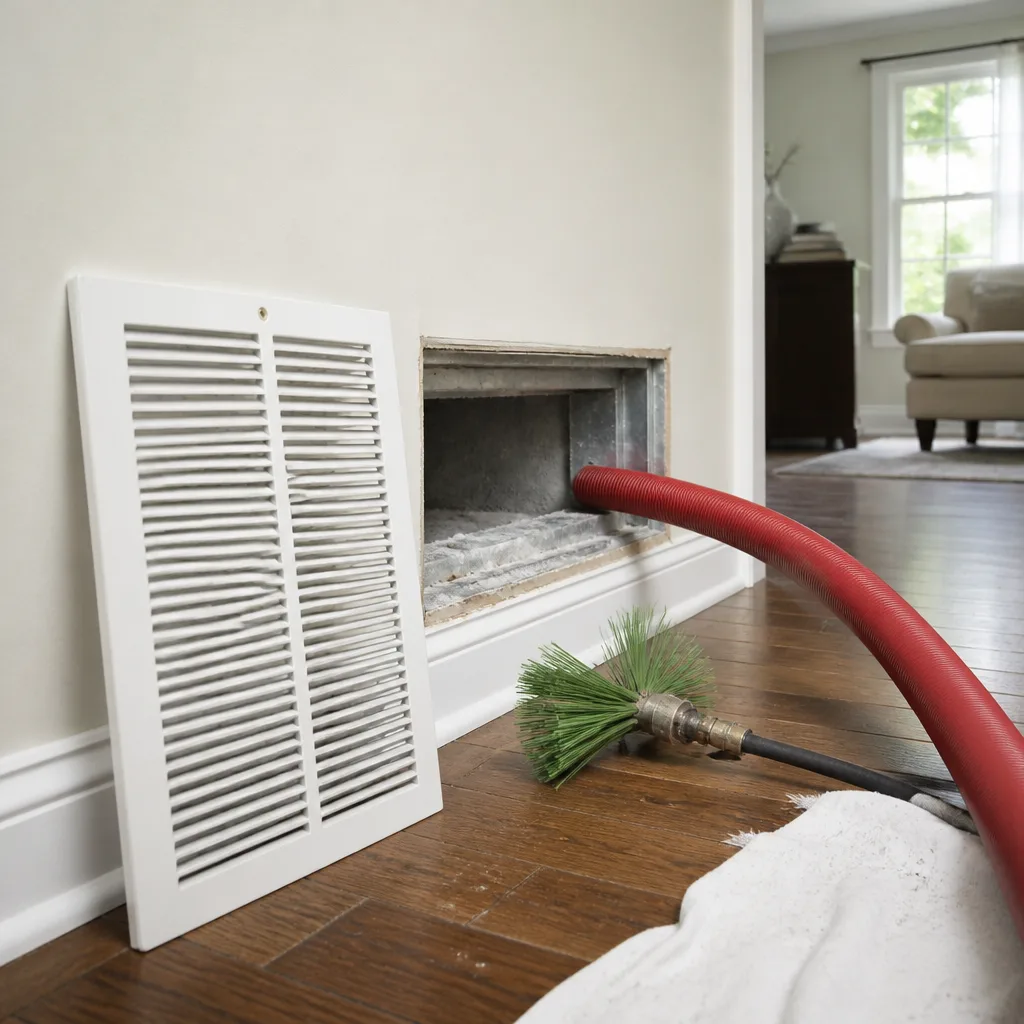 Whole-home duct cleaning
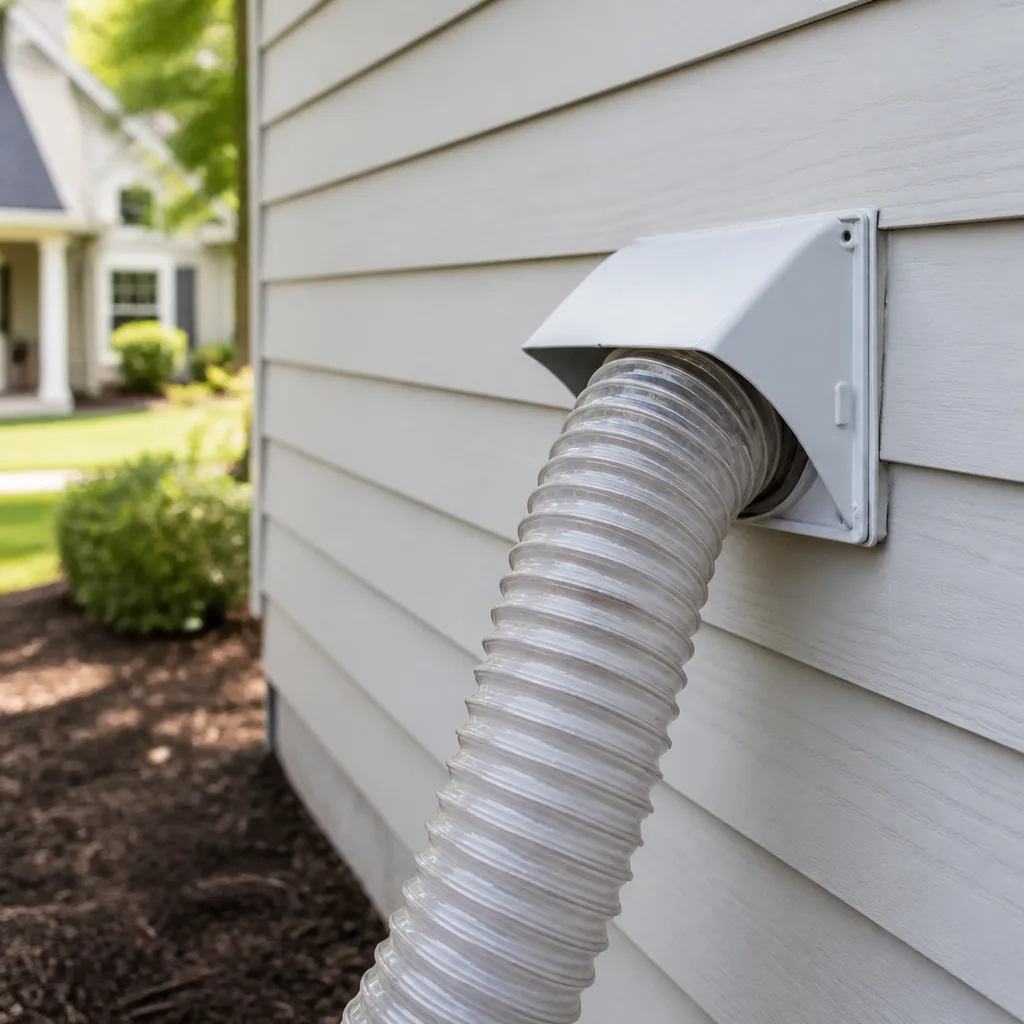 Dryer vent cleaning
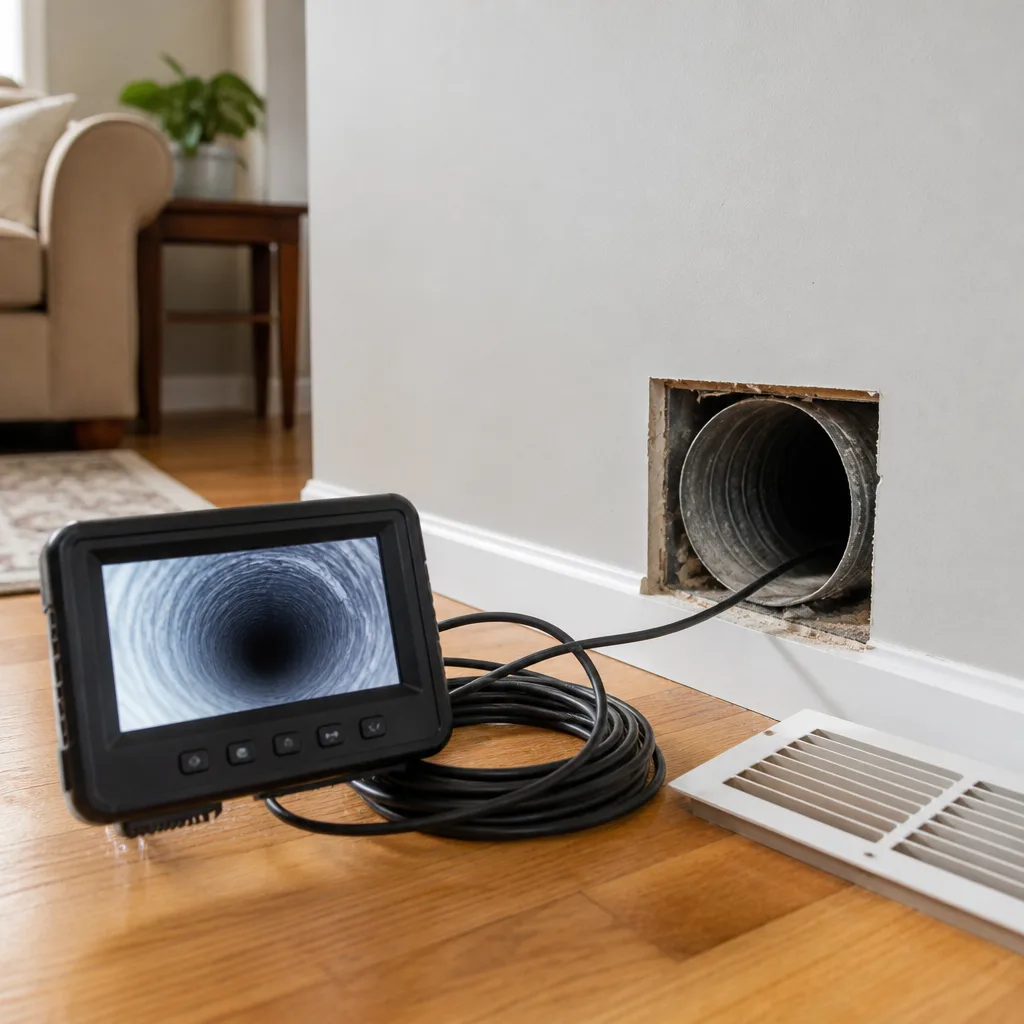 Camera inspection
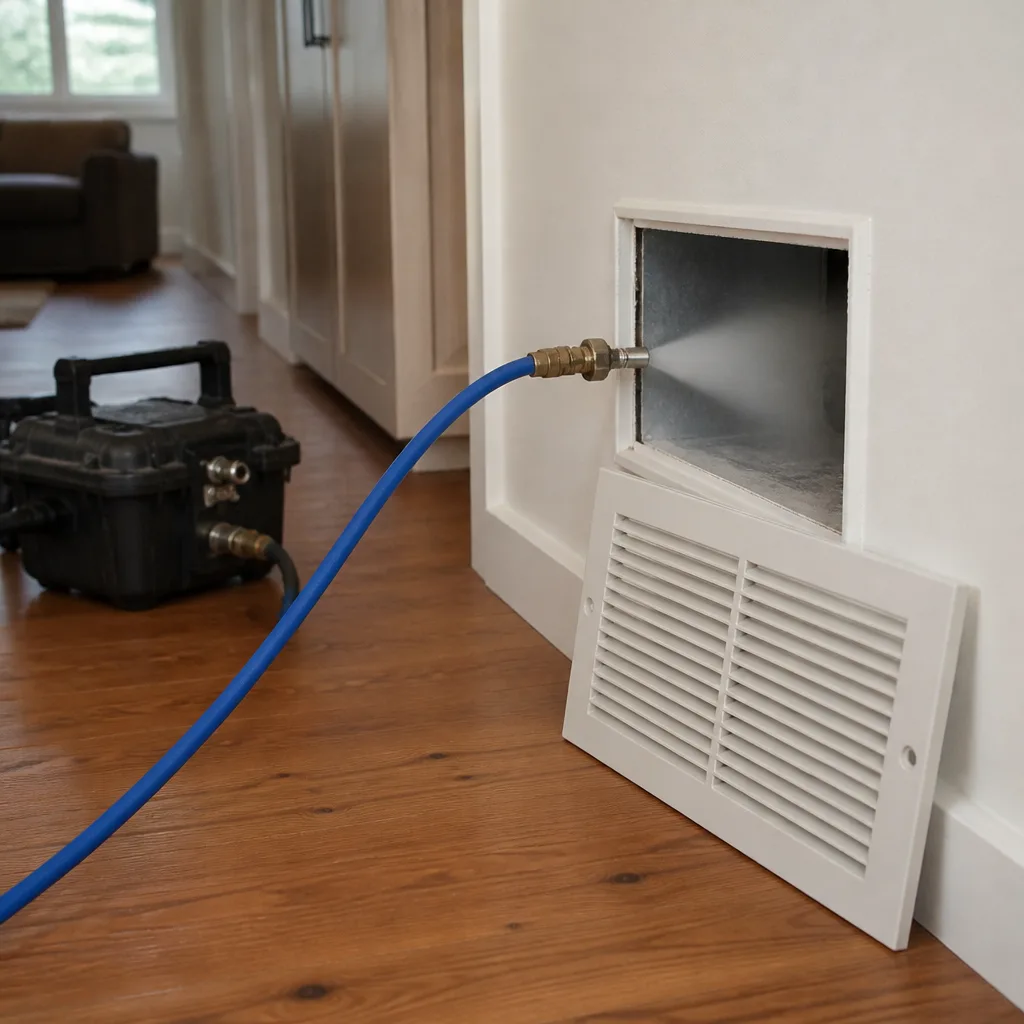 Sanitizing & deodorizing
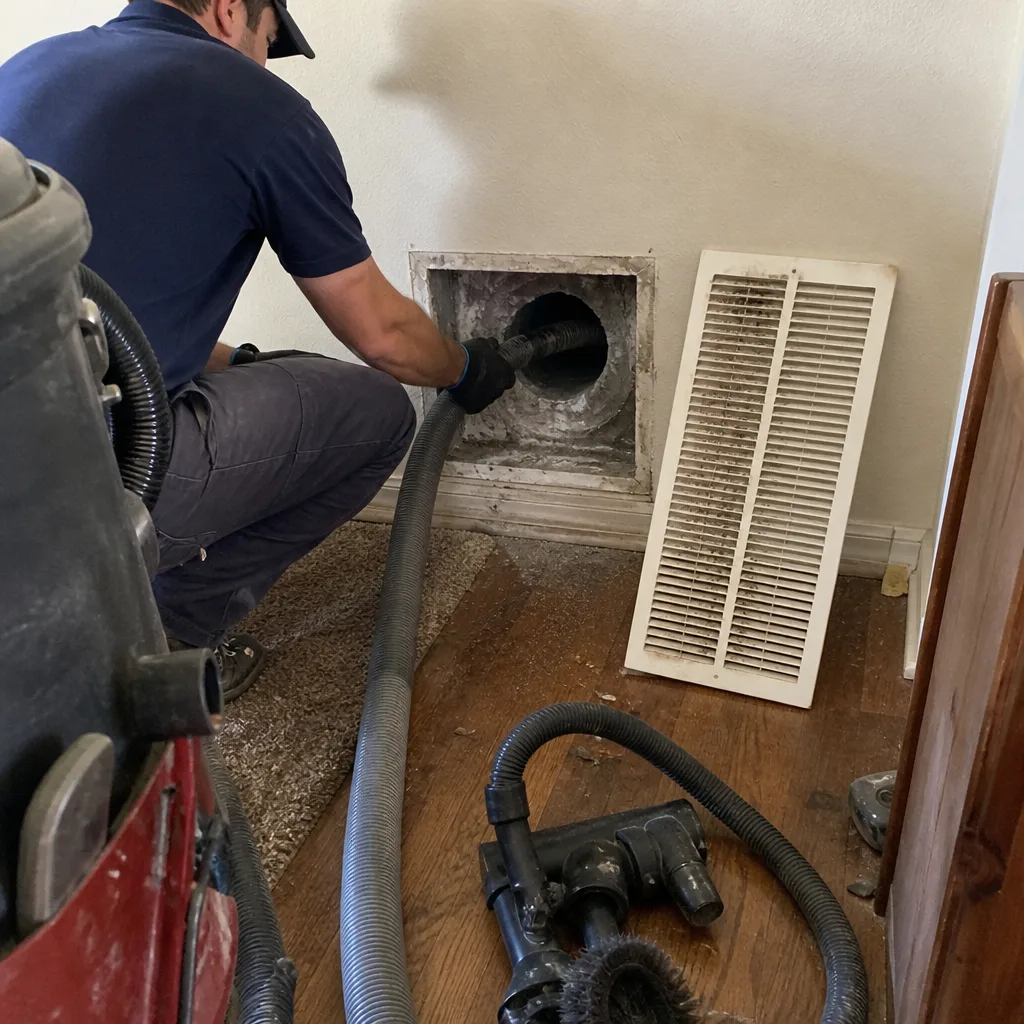
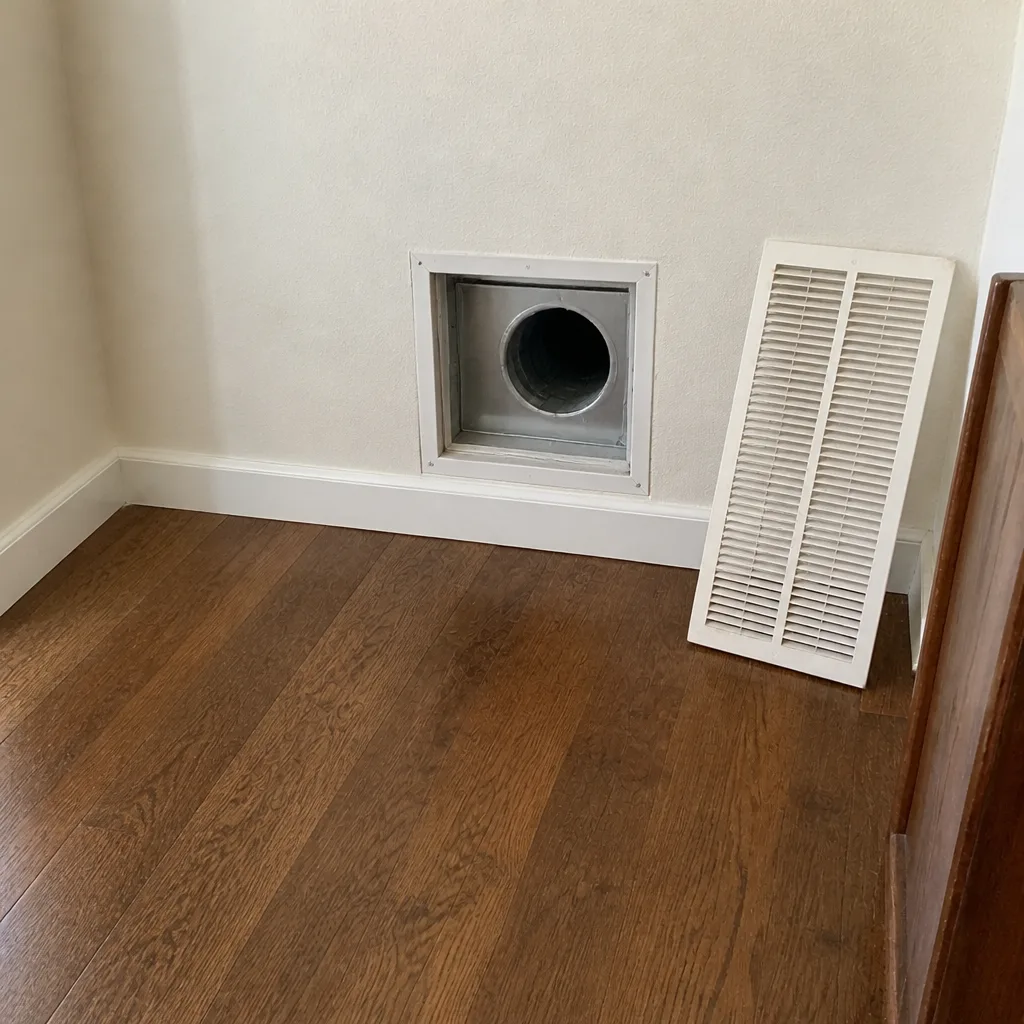
Whole-system duct and dryer vent check with before-and-after photos - you see exactly what came out of your vents
That "$99 whole-house special" is a bait ad - the real number appears once they are in your hallway, or the "clean" is a shop-vac at the register. We photograph the inside of your ducts before and after instead.
Seasonal Air Duct Cleaning Care for Highlands Ranch: Year-Round Homeowner’s Guide
The same duct system that pulled wildfire smoke particulate out of June air will be moving dry, recirculated air at roughly 15% humidity in January. Those are two entirely different problems, and they call for two entirely different maintenance responses. Most homeowners in Highlands Ranch treat duct cleaning as a single annual checkbox, which means they’re usually solving last season’s problem two seasons too late. This guide lays out what actually happens inside ductwork across all four seasons at 5,470 feet in climate zone 5B, and how to build a 12-month task calendar that matches the way your home actually breathes.
Quick Answer
Duct cleaning in Highlands Ranch should be scheduled around four distinct seasonal stressors rather than a generic yearly rule: a post-wildfire inspection in spring, a moisture and condensation check during summer monsoon season, an outdoor intake and return grille review before the heating season, and a static-and-fine-dust assessment in winter. Most Highlands Ranch homes benefit from professional contact cleaning every two to four years, with targeted inspections in between. Homes with pets, allergies, recent renovations, or unknown duct history often need a baseline cleaning first and a seasonal rhythm after that.
Styles & brands we work with
- Whole-home duct cleaning
- Dryer vent cleaning
- Camera inspection
- Sanitizing & deodorizing
Table of Contents
- Why Seasonal Care Beats an Annual Cleaning Rule
- Spring in Highlands Ranch: Post-Wildfire Smoke Inspection
- Summer: Monsoon Moisture and Basement Condensation
- Fall: Outdoor Air Intakes and Return Grilles Before Heating Season
- Winter: Dry-Air Static and Why MERV-13 Filters Matter
- Your 12-Month Highlands Ranch Duct Care Calendar
- What a Genuinely Thorough Cleaning Looks Like
- Common Mistakes to Avoid
- When to Call a Professional
- Frequently Asked Questions
Why Seasonal Care Beats an Annual Cleaning Rule
Highlands Ranch sits in climate zone 5B, which means cold winters, warm dry summers, and a genuine four-season swing. That swing is the reason a single annual cleaning misses so much. Your ductwork isn’t a static container. It’s a moving air pathway that responds to what the outdoor air is doing, what your HVAC system is doing, and how much moisture is riding along with both.
Each season loads the system differently. Spring brings fine particulate from wildfire smoke that drifts into the Front Range. Summer monsoon storms push humidity into the system through every gap and joint. Fall drops leaves, seeds, and debris against outdoor intakes and return grilles before the heating season seals the house up. Winter creates static conditions indoors that lift settled dust off duct walls and back into the living space. A generic “clean once a year” rule means you’re always one season behind.
There’s a second reason seasonal scheduling matters. Duct cleaning is air duct cleaning, not duct replacement. The job is to remove what accumulated and reset the system to a known baseline. If you know what season deposited the load, you know what to inspect for and how deep the cleaning needs to go.
What “Baseline” Actually Means
A baseline is what your ducts look like immediately after a professional contact cleaning. Once you have that, every future inspection is a comparison: more debris than baseline, and you clean. Roughly the same as baseline, and you monitor. Homeowners who have never had a baseline cleaning are guessing every time something feels off. Building one first, then following a seasonal inspection rhythm, keeps you from over-cleaning or under-cleaning.
Spring in Highlands Ranch: Post-Wildfire Smoke Inspection
Spring along the Front Range is when the residue of last summer’s wildfire smoke season is easiest to find inside ductwork. Smoke particulate doesn’t behave like ordinary house dust. It’s extremely fine, it travels deep into the system, and it clings to duct walls and the blower wheel rather than settling in filters where it can be trapped and removed. When the weather warms and windows open, your system starts moving that stored particulate around again.
What smoke particulate looks like in ductwork is specific enough that a trained inspector can recognize it. Look for a fine grey-black film on return duct walls, a slightly tacky residue around the blower housing, and a persistent odor that gets stronger when the system first cycles on. If you see a uniform film but no visible pile of debris, the right call may be monitoring rather than full cleaning. If the residue is thick, tacky, or produces a smell every time the fan starts, it’s time to clean.
Clean vs. Monitor: The Practical Split
- Inspect the returns first. Return ducts carry the dirtiest air and show smoke film before supply ducts do.
- Check the blower wheel and housing. A visible film here means the system has been circulating smoke particulate, not just passing it through.
- Test the smell. If a clean filter on a running system still produces an odor, the particulate is stored in the ductwork.
- Compare against your baseline photos. If the film is heavier than after your last cleaning, clean. If it’s equivalent, monitor and recheck after the next smoke event.
Homes near open space, ridgelines, or higher-exposure areas of Highlands Ranch often collect more fine particulate in the returns than homes with more protection from prevailing wind. That’s a reason to inspect, not a reason to panic. Most of the time the difference is depth of cleaning, not whether cleaning is needed.
Summer: Monsoon Moisture and Basement Condensation
Summer monsoon season in Highlands Ranch brings the region’s biggest humidity swing, and it’s the season that most directly affects partially finished basements. Many homes here have basement ductwork that runs through or near cool concrete and framed walls, and when warm, humid monsoon air meets a cold duct surface, condensation can form on the duct exterior and occasionally on interior surfaces where air is cooler than the dew point.
That condensation is the setup for mold risk. Mold doesn’t need much on the inside of a duct, just a moisture film that lasts more than a day or two plus organic material like settled dust. The visible sign isn’t usually mold growing visibly on duct walls. It’s a musty smell in basement rooms, a film on the nearest supply grille, or corrosion on metal duct seams.
How to Reduce Monsoon Moisture Load
- Keep interior humidity in the 40-50% range through the monsoon months. A simple hygrometer costs little and tells you more than guessing.
- Check for gaps at basement duct seams and joints before the season starts. Sealed ducts don’t give humid air a place to cool and condense.
- Run the fan continuously at low speed during humid stretches if your system supports it. Constant air movement reduces the standing cool air that lets condensation form.
- Inspect basement supply grilles once mid-season for any film or odor. If you find any, that’s a professional call, not a homeowner cleaning project.
- Address water intrusion early. Sump pits, foundation walls, and basement bathrooms all add moisture load that ends up in the duct pathway.
If you smell mustiness in a basement during monsoon season, we recommend having the system inspected before you sanitize anything. Sanitizing a mold source without cleaning the surface underneath just masks the problem for a few months. Homes in Highlands Ranch with heavier basement finishing or below-grade duct runs tend to need the basement portion of the system inspected more frequently than the main floor.
When moisture has been a consistent problem, HVAC cleaning can address the evaporator coil, drain pan, and blower housing where mold most often establishes in summer. Those are the parts of the air pathway contact cleaning alone doesn’t touch.
Fall: Outdoor Air Intakes and Return Grilles Before Heating Season
Fall is the last clean swing before the house seals up for winter. Whatever enters the system over the summer and early fall gets recirculated for months once the windows close and the furnace starts running. That’s why fall inspection matters more than the calendar suggests.
Outdoor air intakes, fresh air ducts, and return grilles on the exterior of the home collect leaves, seeds, cottonwood fluff, and fine debris through the summer. When the system pulls outdoor air through a partially blocked intake, the fan works harder, the return airflow drops, and the static pressure in the ductwork rises in a way that pulls settled dust off the walls and into the supply air. A clean intake keeps all of that quieter.
Pre-Heating Season Inspection: Step by Step
- Walk the exterior of the home and locate every outdoor intake and return grille.
- Clear any visible leaves, fluff, and debris from the screen or louver.
- Look inside the intake for standing moisture or leaves that have worked in past the screen.
- Check every interior return grille for visible dust mat on the face of the filter.
- Confirm filter seating. A filter that gaps or collapses in high-static conditions leaks around the edges and defeats the point.
- Ask for a camera inspection of the main trunk if you haven’t seen inside it in two or more years.
Pre-heating season is also the right window to think about dryer vent cleaning, since fall is when many homeowners schedule indoor service work before the house gets busy. A clogged dryer vent is a genuine fire hazard and is easy to forget about when attention is on the furnace.
Winter: Dry-Air Static and Why MERV-13 Filters Matter
Winter in Highlands Ranch drives interior humidity low. Cold outdoor air holds very little moisture, and heating it without adding humidity brings indoor relative humidity down, sometimes into the 10-20% range in older or draftier homes. Low humidity increases static charge, and static charge is the reason fine dust lifts off duct walls and settles visibly on furniture and hard floors.
This is the seasonal effect most homeowners don’t connect to their ductwork. The problem isn’t that the ducts are suddenly dirtier. It’s that low-humidity static pulls settled fine particulate off surfaces it sat against all summer and moves it into the living space. A winter that feels “dusty” is usually a sign the system’s fine particulate load is high and the filters are undersized for the condition.
Why MERV-13 Filters Matter More in Heating Season
A basic filter protects the equipment. A MERV-13 filter is rated to capture a much finer fraction of particulate, which is exactly what dry winter static is suspending. The tradeoff is airflow. A MERV-13 that’s too restrictive for your system’s blower creates high static pressure, which shortens motor life and reduces delivered airflow. Matching filter efficiency to blower capacity is the right approach, not just buying the highest MERV number you can find.
- Choose MERV-13 when the blower and ductwork can handle the pressure drop, which most newer Highlands Ranch installations can.
- Check filter face loading every 30 days in heating season if you have pets or heavy dust load. A loaded MERV-13 becomes a restrictive filter in weeks.
- Consider a filtration upgrade through Honeywell or Aprilaire when the current filter cabinet is too small for a properly rated filter.
- Pair filtration with a whole-home humidifier if dry winter air is a persistent issue. Filter efficiency and humidity control together reduce static load far more than either alone.
We’re equipped to recommend and install Honeywell and Aprilaire filtration and humidity products alongside cleaning, so the system you test in fall is the system you actually run in winter. Those product lines aren’t a generic upsell. They’re a direct response to the winter dust and static pattern most Highlands Ranch homes see.
Your 12-Month Highlands Ranch Duct Care Calendar
Here’s the task rhythm we recommend for most homes in Highlands Ranch at 5,470 feet and climate zone 5B. Adjust frequency for pets, allergies, recent renovations, or unknown duct history.
- March – Post-wildfire inspection. Inspect returns and blower housing for smoke film. Clean if heavily loaded; monitor if light.
- April – Filter baseline. Replace filters, note the model and load pattern, and confirm the cabinet is sized correctly.
- May – Pre-summer sealing check. Inspect ductwork for gaps at seams, boots at registers, and connections at the air handler.
- June – Baseline cleaning if needed. If spring inspection showed heavy load, schedule contact cleaning before the system runs hard.
- July – Monsoon moisture watch. Check basement grilles mid-season. Keep indoor humidity in the 40-50% range.
- August – Second moisture check. Look for condensation on cold ducts and any musty smell in basement rooms.
- September – Outdoor intake clearing. Clear every exterior intake and return grille of leaves, seeds, and debris.
- October – Pre-heating inspection. Confirm filter seating, check interior returns, and request a camera inspection if it’s been two or more years.
- November – Heater-cycle check. Observe any increased dust or odors in the first weeks of heating.
- December – Filter check. Replace or clean the filter at the 30-day mark of heating season.
- January – Static and humidity check. Confirm indoor humidity and consider a MERV-13 upgrade if not already in place.
- February – Filtration review. Plan any filtration or humidity upgrades before the next spring cleaning cycle.
Most of these are checkpoints, not cleanings. Two to four years between professional cleanings works for many Highlands Ranch homes. Homes with heavier conditions step up to every two years.
What a Genuinely Thorough Cleaning Looks Like
Duct cleaning quality varies enormously. The difference between a serious job and a quick one is almost never the price. It’s the equipment and the process. Here’s what to look for when you hire for a cleaning in Highlands Ranch.
- Rotobrush rotary contact tools. A rotary brush physically agitates debris off duct walls under vacuum, which is what actually removes the adhered film. Air-only or blow-and-go methods stir up debris without pulling it out.
- Nikro HEPA-rated vacuum and negative-air equipment. These capture dislodged particulate at the source and contain it. A shop vac can’t hold the fine fraction that matters.
- Abatement Technologies containment and HEPA filtration. The right equipment for jobs involving mold, heavy debris, or post-remediation air pathway cleaning.
- Guardsman surface protection. Floors, thresholds, and adjacent furniture should be protected before equipment comes in.
- Before-and-after photos of your actual ductwork, not a stock photo. Ask for photos of the returns and main trunk lines.
- One flat price per system, agreed before work starts. No per-vent pricing, no teaser coupon, no surprise line items.
The full air pathway – cleaning, sanitizing, repair, sealing, filtration, and humidity control – should be handled by a single crew that can address any finding from the same visit. When a contractor cleans ducts but can’t repair a disconnected run, seal a leaking seam, or recommend the right Honeywell or Aprilaire filter cabinet, the homeowner ends up coordinating multiple appointments that don’t talk to each other. Our technicians have up to 14 years of experience with the full pathway, and the local professional we connect you with is licensed and insured as the state requires.
Common Mistakes to Avoid
- Cleaning on a fixed annual calendar regardless of season. A single yearly cleaning is a simple rule but it misses the spring smoke load and the fall pre-heating inspection that matter most. Match the schedule to what the season actually deposits.
- Skipping the spring smoke inspection because you cleaned last fall. Wildfire smoke season runs through summer. If a fall cleaning removed the summer load, the following spring smoke load is brand new and worth inspecting.
- Ignoring basement humidity because the upstairs feels fine. Monsoon moisture loads the basement runs first. A musty basement in July is a sign the whole system should be checked, not just the basement.
- Leaving outdoor intakes loaded when winter closes in. Clogged intakes raise static pressure and pull settled dust off duct walls. Clear them in September, not December.
- Buying the highest MERV filter available. An oversized MERV-13 on an undersized cabinet chokes airflow and damages the blower. Filter efficiency should match the equipment.
- Hiring on price alone when the quote doesn’t name the equipment. If a quote doesn’t tell you whether contact cleaning is rotary-brush or air-only, it’s not specific enough to compare.
- Skipping before-and-after documentation. If you can’t see photos of your own ductwork, you don’t know what the job actually removed. Ask for documentation, not a verbal assurance.
When to Call a Professional
Most seasonal duct care is inspection and monitoring, which you can do yourself with the checklist above. The calls that genuinely belong with a professional are the ones tied to a visible problem or a safety issue. If you see heavy deposits inside a return or supply after the last cleaning, if the system produces a musty smell that persists after a fresh filter, if you’ve had a water event or significant renovation, if you bought a home in Highlands Ranch with unknown duct history, or if you’re seeing more dust in the house in winter after confirming you’re changing filters correctly, that’s the time to schedule an inspection. The same goes for smoke film on the blower wheel after an active wildfire season.
Highlands Ranch Air Duct Cleaning Pros offers free estimates in Highlands Ranch – call (833) 513-8872. We answer 24/7. Fast dispatch from 7am to 7pm, Sunday through Friday. The price is set per job by the written estimate, and one flat price per system is agreed before work starts.
For a broader overview of what we do across all five service categories, see Highlands Ranch Air Duct Cleaning Pros.
Frequently Asked Questions
For most Highlands Ranch homes, professional cleaning every two to four years is a reasonable rhythm, with seasonal inspections in between. Homes with pets, allergies, recent renovations, or unknown duct history usually benefit from a baseline cleaning first, then the two-to-four-year cycle. Homes that see heavy wildfire smoke or persistent monsoon moisture load sometimes need cleaning every two years.
Wildfire smoke particulate appears as a fine grey-black film on return duct walls and a slightly tacky residue around the blower housing, often accompanied by a persistent odor when the system first cycles on. If the film is heavy or tacky or produces a smell with a clean filter, the system should be cleaned. If the film is light and comparable to your post-cleaning baseline, monitoring and rechecking after the next smoke event is fine. If you’re not sure which situation you have, call (833) 513-8872 for a free estimate.
Monsoon humidity can contribute to mold growth inside ductwork when condensation forms on cold surfaces and stays wet long enough. The most common visible signs are musty smells in basement rooms, film on basement supply grilles, and corrosion at duct seams. If you suspect mold, have the system inspected before you sanitize anything – cleaning the surface underneath has to come first. Call (833) 513-8872 and we’ll take a look.
Winter dust usually comes from low indoor humidity increasing static charge, which pulls fine particulate off duct walls and back into the living space. The problem is typically the fine fraction your filter is or isn’t capturing. A properly sized MERV-13 filter and whole-home humidity control address most winter static dust. If you’ve checked the filter and dust is still heavy, that’s a good time for a duct inspection – call (833) 513-8872 for a free estimate.
Duct cleaning is priced per system, not per vent, and the written estimate sets the final price after the technician sees the system. We give a single flat price per system before any work starts, and the estimate is free. We don’t quote per-vent prices or teaser coupon figures because those numbers rarely match the actual job. Call (833) 513-8872 for an exact quote – estimates are free.
Ask for before-and-after photos of your own ductwork, not a stock photo, and ask which equipment the crew is using. Rotobrush rotary contact tools, Nikro HEPA vacuum, and Abatement Technologies containment are the equipment markers that separate a real job from a quick one. A contractor that can’t name the equipment they use and can’t show you photos of your own ducts is telling you something. Call (833) 513-8872 to schedule the inspection and photos.
MERV-13 is safe for most systems when the filter cabinet and blower can handle the pressure drop, which is true for most newer Highlands Ranch installations. Some older systems have undersized cabinets that need an upgrade to run MERV-13 without airflow loss. Honeywell and Aprilaire filter cabinets can be added when the current setup is too restrictive. If your system has never run MERV-13, ask for a pressure check before switching.
A disconnected or leaking duct is a real loss of efficiency and can route airborne debris into wall cavities or crawl spaces. Our full air pathway approach includes duct repair and sealing in the same visit as cleaning, so you don’t have to coordinate a second contractor. Our technicians have up to 14 years of experience with the full pathway – call (833) 513-8872 for a free estimate.
The Bottom Line
Seasonal duct care in Highlands Ranch works better than a single annual cleaning because four genuinely different stressors load the system every year. Spring brings wildfire smoke particulate that needs inspection before you decide to clean or monitor. Summer brings monsoon moisture that drives basement condensation and mold risk. Fall brings debris at outdoor intakes that should be cleared before the house closes up. Winter brings low humidity and static that lift fine dust off duct walls and into living spaces, which makes properly sized MERV-13 filtration matter more in heating season than at any other time.
Build a baseline cleaning, follow a 12-month calendar, and let inspections lead the way. If your system is due, call (833) 513-8872 for a free estimate. We answer 24/7. Fast dispatch from 7am to 7pm, Sunday through Friday.
Written by the team at Highlands Ranch Air Duct Cleaning Pros.
See the difference
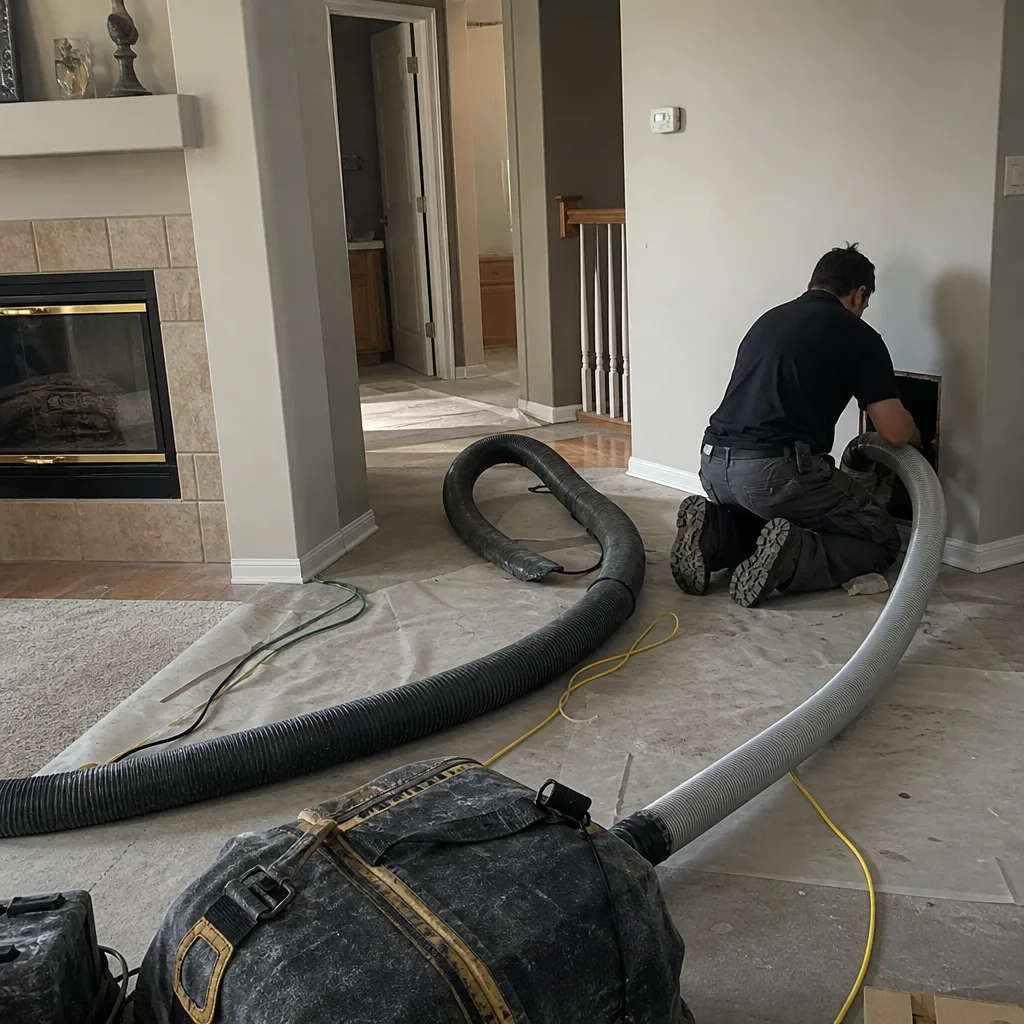 Before
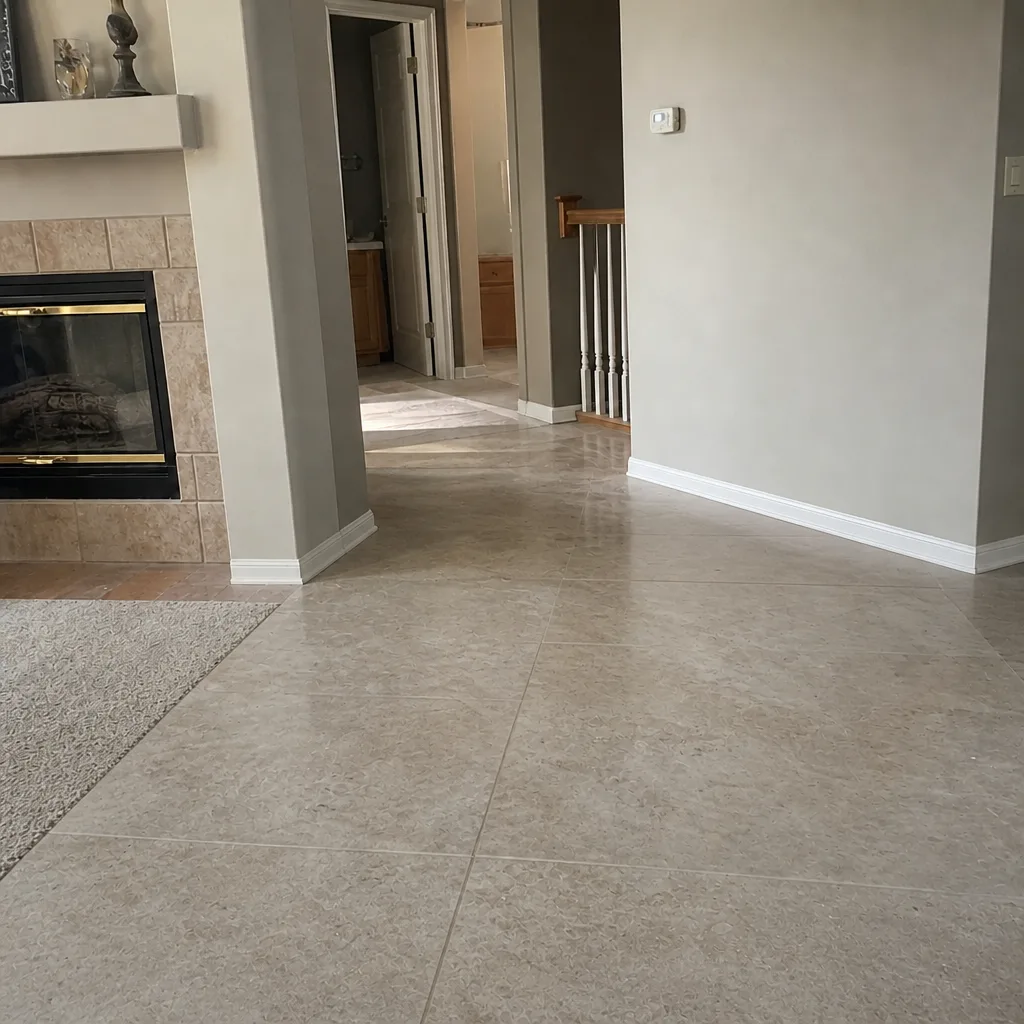 After
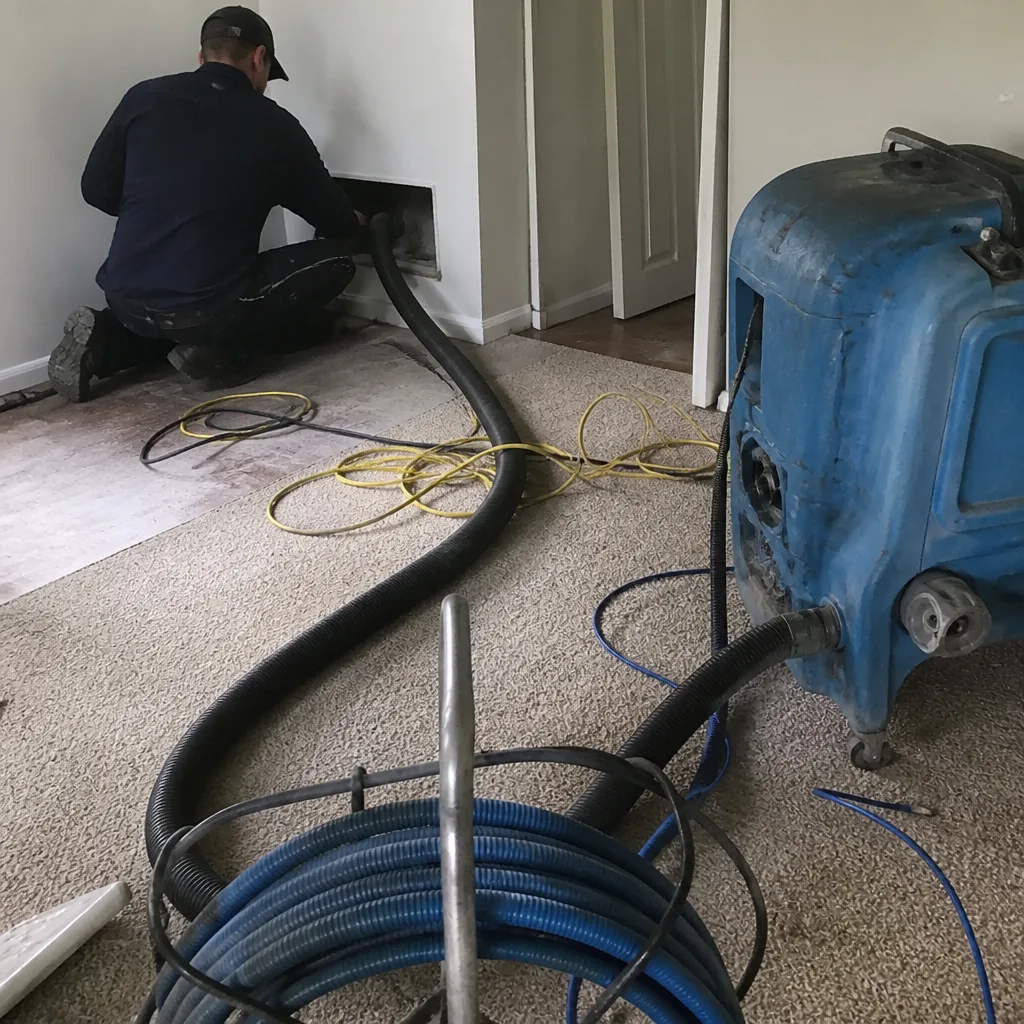 Before
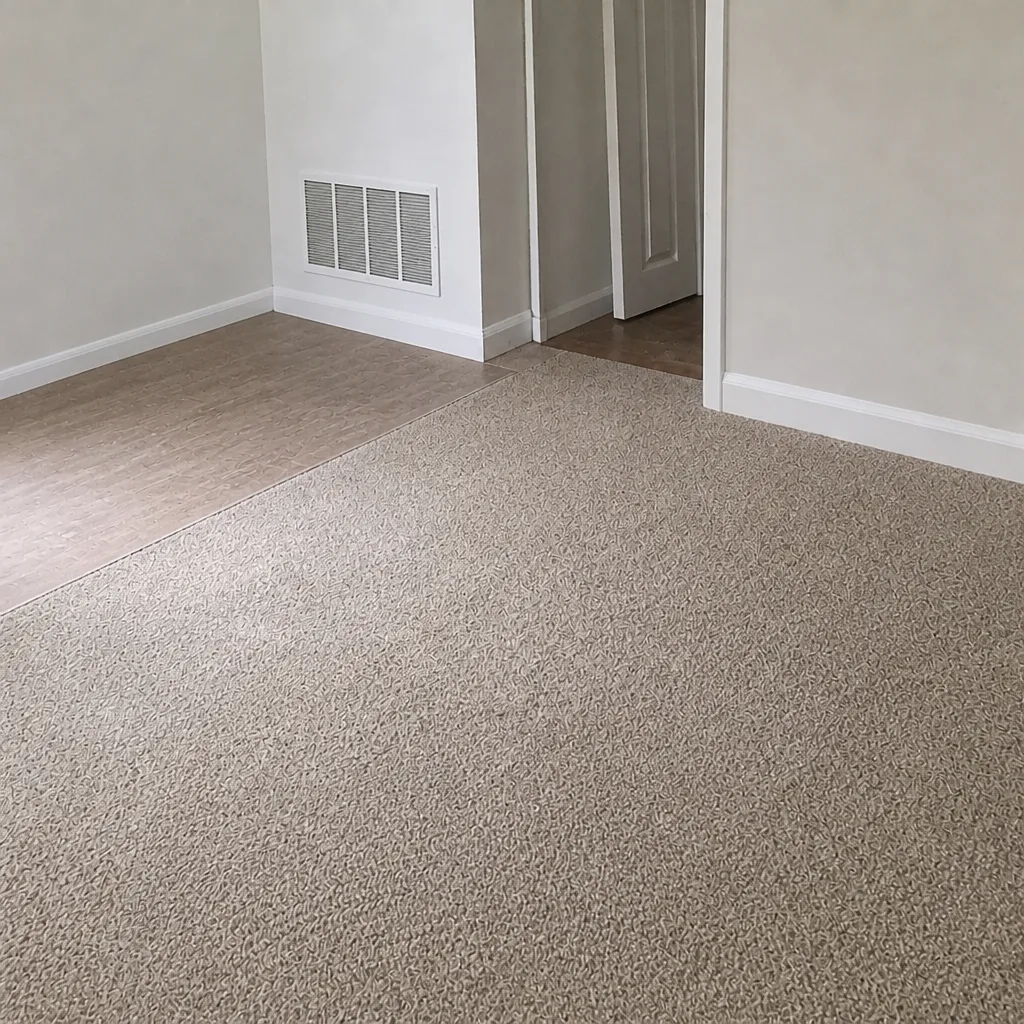 After
 Before
 After