
Last updated November 24, 2026
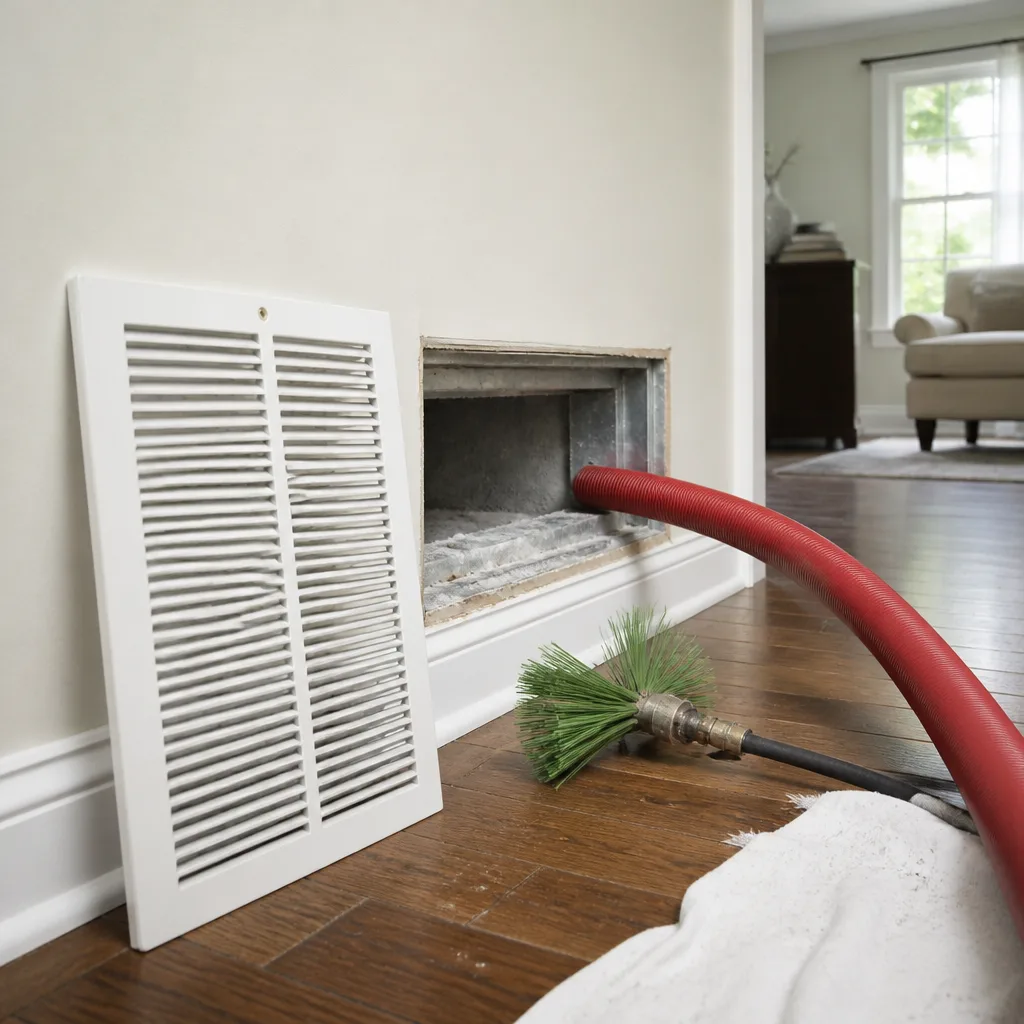 Whole-home duct cleaning
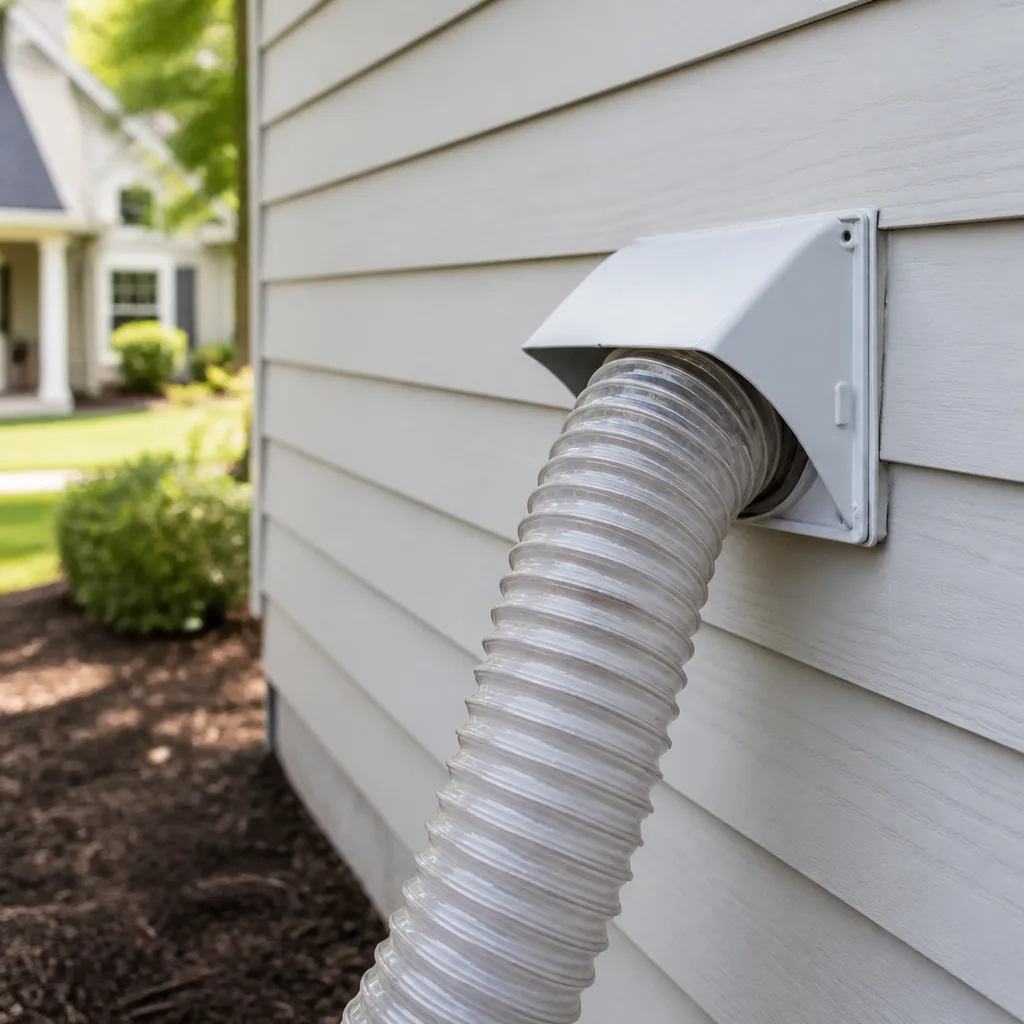 Dryer vent cleaning
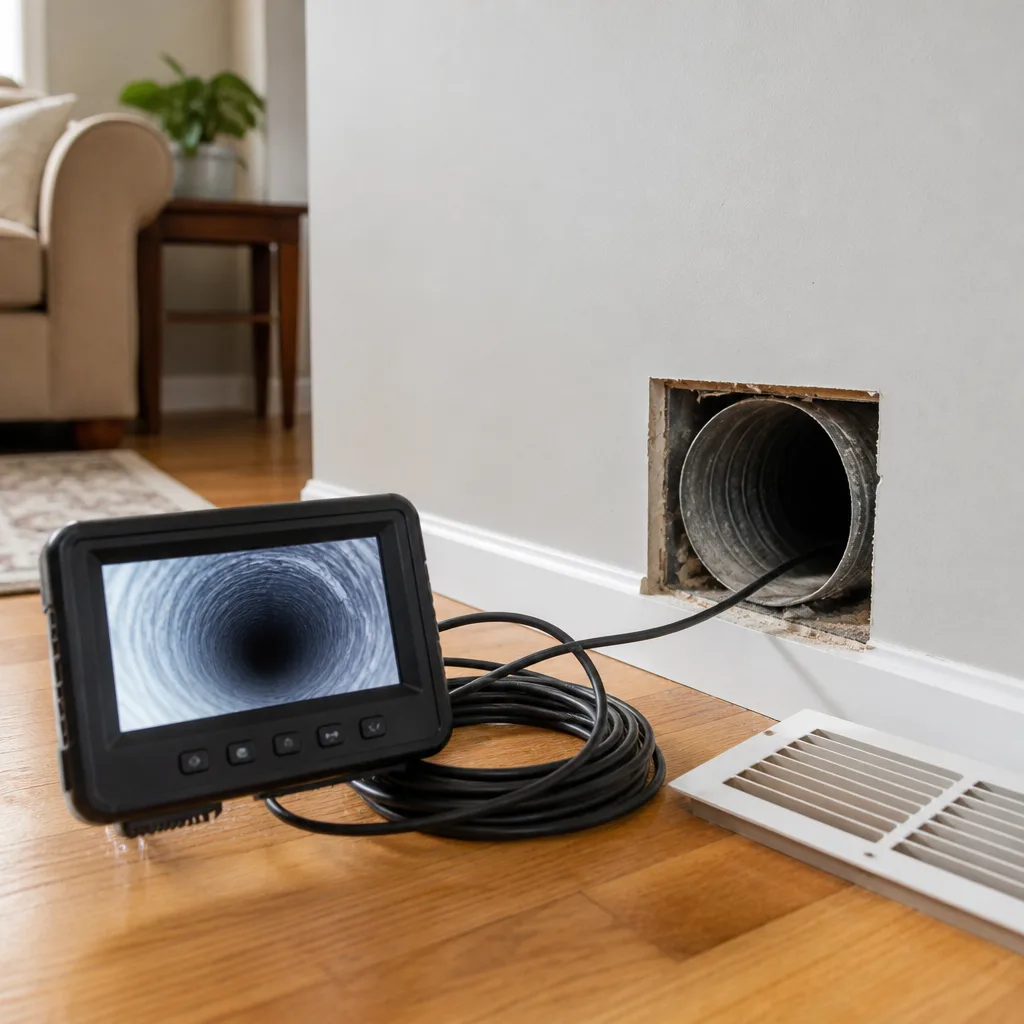 Camera inspection
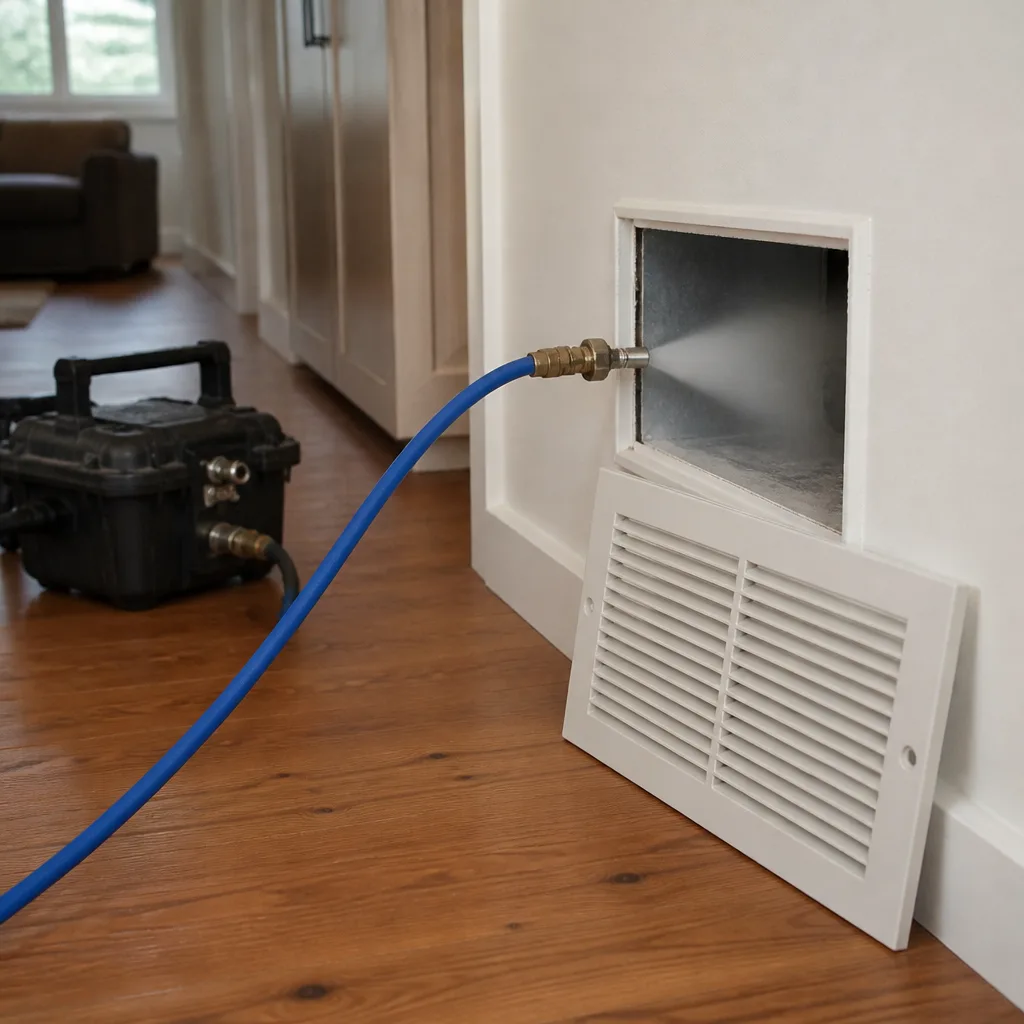 Sanitizing & deodorizing
Whole-system duct and dryer vent check with before-and-after photos - you see exactly what came out of your vents
That "$99 whole-house special" is a bait ad - the real number appears once they are in your hallway, or the "clean" is a shop-vac at the register. We photograph the inside of your ducts before and after instead.
Air Duct Cleaning Permits, Codes & Inspections in Highlands Ranch, CO: What You Need to Know
No permit is needed to clean your ducts. But if the technician also sealed a disconnected trunk line or installed a UV system, you may have unpermitted HVAC work sitting in your attic right now. That’s the split most homeowners never hear about. Routine cleaning and maintenance sit outside the permit system almost entirely, while anything that changes the duct layout, cuts into the air handler cabinet, or adds new equipment to the system can cross into work that Douglas County expects to be permitted and inspected. In this guide we draw that line clearly: what’s permit-free, what isn’t, how unpermitted modifications surface during a home sale, and what questions to ask before anyone touches your system in Highlands Ranch.
Quick Answer
Cleaning your air ducts in Highlands Ranch does not require a permit, because cleaning is routine maintenance and doesn’t alter the HVAC system. Sealing small leaks with mastic, repairing flexible duct connections, and replacing filters are also generally permit-free. Permits become likely when work changes the system itself: rerouting or adding duct runs, modifying the air handler cabinet or access panels, or installing powered equipment like UV lights and in-duct filtration. When in doubt, the Douglas County building department is the authority, and a short call settles it before work begins.
Styles & brands we work with
- Whole-home duct cleaning
- Dryer vent cleaning
- Camera inspection
- Sanitizing & deodorizing
Table of Contents
- Who regulates HVAC work in Highlands Ranch?
- What’s permit-free: cleaning and routine maintenance
- Where cleaning crosses into permit territory
- How unpermitted work surfaces during a home sale
- NADCA standards: the quality code where no legal code exists
- Questions to ask a contractor before work begins
- How Highlands Ranch housing shapes the permit question
- Permits, insurance claims and HVAC warranties
Who regulates HVAC work in Highlands Ranch?
HVAC work in Highlands Ranch falls under Douglas County’s building department, which issues permits and sends inspectors to verify that work affecting a home’s mechanical system meets the adopted building and mechanical codes. Highlands Ranch is an unincorporated community governed at the county level, and the Highlands Ranch Metro District handles parks, recreation, trails and some local services rather than building permits. That distinction matters: homeowners sometimes call the Metro District about a mechanical question and get routed to the county, so start with Douglas County directly.
Here’s how the jurisdiction generally breaks down:
- Douglas County building department: permits and inspections for mechanical work that alters or adds to the HVAC system, including duct changes beyond simple repair and new equipment installations.
- Highlands Ranch Metro District: parks, recreation centers, trails, open space and community services. Not the permit authority for duct or HVAC work.
- Your HOA and the Metro District’s design rules: these can govern exterior equipment placement, which occasionally matters when a condenser or vent termination moves.
The core idea is that a permit exists to verify work that changes how a system is built or how it performs. Cleaning a system that’s already there changes nothing structural, so it stays outside the process. Rebuilding part of that system is a different matter, and that’s where a permit and inspection can be expected.
Where the code line sits
Building codes are written in broad language: work that alters a mechanical system typically needs a permit, while ordinary repair and maintenance usually doesn’t. The gray area lives in the word “alter.” Replacing a torn flex duct with the same size and routing is repair. Adding a new supply run to a finished basement, upsizing a trunk line, or cutting a new opening into the air handler cabinet is a modification. If you’re ever unsure which side of that line a job sits on, ask the county before the work happens, not after. It’s a five-minute phone call that protects you at resale.
What’s permit-free: cleaning and routine maintenance
Most of what an air duct cleaning appointment involves requires no permit at all. Cleaning is maintenance: removing accumulated dust, debris and biological buildup from ducts that stay where they are, in the configuration they were built. Nothing about that changes the system, so the permit system doesn’t apply. The same goes for the everyday upkeep that keeps a system healthy between cleanings.
These tasks are typically permit-free in Highlands Ranch:
- Source-removal cleaning of supply and return ducts using rotary contact cleaning.
- Negative-air containment and HEPA vacuuming to capture dislodged debris.
- Light surface cleaning of the air handler’s accessible exterior and the blower compartment where reachable.
- Replacing air filters, including upgrades to a higher-efficiency filter that fits the existing cabinet.
- Sealing small leaks and disconnected joints in accessible duct with mastic or approved tape.
- Cleaning dryer vent runs from the appliance connection to the exterior termination.
- Air sanitizing and deodorizing treatments applied inside the existing ductwork.
This is where much of our work sits, and it’s also where a thorough job earns its keep. Our technicians use Rotobrush rotary contact cleaning to physically agitate debris off duct walls, paired with Nikro HEPA vacuum equipment to capture what’s loosened rather than push it back into the rooms. Cleaning done that way is maintenance in the purest sense: no system change, no permit, no inspection. If a company tells you a routine cleaning needs a permit, that’s a sign they don’t understand the line between maintenance and modification. For the full picture of what a proper cleaning involves, our guide to air duct cleaning walks through the process step by step.
Where cleaning crosses into permit territory
Sometimes a cleaning inspection turns up a problem that goes beyond dirt: a disconnected trunk line blowing conditioned air into the attic, a crushed flex run, ducts routed through a space they shouldn’t be. Sealing or repairing in place is usually still maintenance. But once the plan changes the duct layout or touches the equipment cabinet, you’re in permit territory. This is the part of the job homeowners rarely think about, and it’s exactly where unpermitted work tends to get created.
These scenarios commonly cross into permit-required work:
- Rerouting or adding duct runs. Moving a supply register, extending a branch to a new room, or reorganizing a trunk line changes the system’s design. That’s an alteration, and Douglas County expects a mechanical permit with an inspection.
- Modifying the air handler access panel or cabinet. Cutting a new service opening or enlarging an existing one changes a listed appliance. It can also void the manufacturer’s listing if done without approval.
- Installing UV lights or in-duct filtration systems. Powered equipment that mounts inside the duct or cabinet is an electrical and mechanical addition. Depending on the setup, it can require a permit, and it should at least be reviewed by someone who knows the code path.
- Replacing a section of duct with a different size or material. Like-for-like repair stays maintenance. Upsizing, changing material, or altering insulation values on a run can be a modification.
- Adding a zoning damper or new exhaust run. Both change how the system delivers air or vents a space, which falls under the permit process.
Filtration and humidity upgrades deserve a note here. We install and recommend Honeywell and Aprilaire products because they’re built to fit standard equipment and come with clear documentation. But even a well-documented install needs the right permit path if it involves running new wiring or cutting into the cabinet. The equipment is rarely the problem; the paperwork is what gets skipped.
How unpermitted work surfaces during a home sale
Unpermitted HVAC work has a way of staying quiet until the worst possible moment: a buyer’s home inspection. Highlands Ranch sees steady resale activity, and buyers here tend to hire thorough inspectors. A county permit search is often part of that process, and inspectors look for signs that work was done without one. A newer-looking duct run with no matching permit, a UV light wired into the system with no record, a cabinet panel that’s been cut and patched: each is a flag that triggers questions, and sometimes a request that the seller produce documentation.
What remediation looks like depends on what was done:
- Documentation only. If the work was done correctly but never permitted, the fix may be a permit application and inspection, with the county reviewing the existing work.
- Correction and re-inspection. If the work doesn’t meet code, it may need to be redone or corrected before it can pass.
- Negotiation risk. Even correct work without paperwork can become a bargaining chip, and buyers and their agents know it.
This is why we flag the permit question before work starts, not after. If a cleaning reveals that a duct run needs to be rerouted, we tell the homeowner the job may need a mechanical permit from Douglas County and let them decide how to proceed. Our role is to clean and repair the air pathway well, and to be honest about when a repair is really a modification. For the repair side of that work, our HVAC cleaning service covers what we can handle in place, and when a job genuinely needs a permit, we say so plainly rather than quietly skipping it.
NADCA standards: the quality code where no legal code exists
No legal code in Colorado sets a minimum standard for how thoroughly ducts must be cleaned. That’s the gap the NADCA standards fill. The National Air Duct Cleaners Association publishes guidance on source removal, containment, negative air pressure and equipment performance that functions as a de facto quality code even where the law is silent. A cleaning that follows NADCA practice looks different from a blow-and-go job: debris is physically removed from the duct walls, contained with negative air pressure, and captured by HEPA filtration rather than redistributed into the house.
Why does a voluntary standard matter? Three reasons:
- Insurance. If a claim ever arises from work done in your home, documentation that the job followed recognized industry standards supports your side of the conversation.
- Warranty. Manufacturers and extended warranty providers care about whether system modifications were permitted and whether maintenance followed industry practice. A cleaning on the record helps; an undocumented one doesn’t.
- Resale. A written report describing the method, equipment and findings is the closest thing to an inspection record a duct cleaning produces. It answers buyer questions without a scramble.
Our equipment choices are built around those standards. Rotobrush rotary contact cleaning provides the physical agitation NADCA source-removal practice calls for. Nikro HEPA vacuum and negative-air equipment contains the debris during the job. For heavier scenarios, including mold and post-remediation air pathway work, we keep Abatement Technologies containment and filtration equipment on hand. None of that is a legal code requirement. It’s just what a thorough job takes, and it’s the difference between air you can trust and a service call that looks good on paper.
Questions to ask a contractor before work begins
The permit question gets answered before anyone climbs into the attic, not after. A contractor who understands the threshold will tell you clearly whether a job needs a permit and who’s responsible for pulling it. That conversation protects you at resale and keeps the work clean from a documentation standpoint. Here’s what to ask, in order:
- “Does any part of this job change the duct layout or the equipment cabinet?” If the answer is yes, ask whether a Douglas County permit is required and who pulls it.
- “How will the cleaning be done, and what equipment is used?” You’re listening for source removal, rotary contact cleaning and HEPA vacuum. Air-only “cleaning” doesn’t meet the standard.
- “Will you document the job?” Ask for a written report of what was found and what was done, plus before-and-after photos of your own ducts.
- “If you find a disconnected or crushed duct, what happens next?” The answer should distinguish repair in place from work that crosses into permit territory.
- “Is the crew licensed and insured as the state requires?” Confirm the local pro’s credentials before work starts.
- “Is the price one flat price for the system, agreed in writing before work begins?” A whole-system price agreed up front is the clean answer to the bait-and-switch problem in this trade.
Ask those six questions of any company in Highlands Ranch, and you’ll learn a lot about how they work before you’ve paid a dollar. For the same reason, our own estimates are free and the price is set per job by the written estimate before any work starts.
How Highlands Ranch housing shapes the permit question
Highlands Ranch is a master-planned community built mostly from the 1980s onward, with a housing mix that changes how often the permit question comes up. Many homes run their ductwork through unfinished or semi-finished attic space and full basements, and that access matters for two reasons: it makes a thorough cleaning easier to do well, and it makes duct modifications easier to spot. A homeowner who has a new supply run added for a basement finish, or who cuts into the air handler cabinet during a remodel, is exactly the household that can end up with unpermitted HVAC work above the ceiling.
The local climate plays into it too. Highlands Ranch sits at high elevation with dry air most of the year, so humidity control is a recurring topic in these homes. Whole-home humidifiers and filtration systems from Aprilaire and Honeywell are common upgrades here, and each one is a system addition that may need a permit path. Dry air also means dust and debris stay suspended and find their way into return ducts, which is why cleaning cadence matters. For the mechanical side of the air pathway, our dryer vent cleaning guide covers the one duct run where lint buildup is a fire concern rather than a comfort issue. And for neighborhoods across the community, the same rules apply: cleaning is permit-free, and modifications are not.
Permits, insurance claims and HVAC warranties
Unpermitted HVAC work can create problems with both insurance and equipment warranties, and both are worth understanding before you need them. Homeowner policies vary widely, but a claim related to work done without a permit can lead to questions about whether the work met code. The simplest protection is documentation: a permit record and inspection for anything that modified the system, and a written cleaning report for everything else.
On the warranty side, the risk is narrower but real. Manufacturers set conditions for warranty coverage, and many extend coverage only to work done within the terms of the installation and local code. If a UV light was wired in without a permit and something fails downstream, the chain of responsibility gets murky fast. A few habits keep you clear:
- Keep every cleaning report, invoice and photo set with your home records.
- Keep permit and inspection documentation for any duct modification or equipment addition.
- Note the equipment brands and model numbers on your system’s filtration or humidity components.
- Ask your warranty provider what documentation they require for maintenance claims, and then keep it.
In our experience, homeowners who keep records like this rarely run into trouble at resale or in a claim. The paperwork is small, and it lasts as long as the house.
Common Mistakes to Avoid
- Assuming cleaning requires a permit. Routine cleaning and in-place repair don’t need one, and paying for a permit you don’t need is a waste. Ask the county if you’re unsure; the answer is usually quick.
- Assuming a repair never requires one. The more expensive mistake is the opposite: rerouting a run or cutting into the air handler cabinet without a permit, which is a modification by any reasonable reading of the code.
- Hiring an air-only “cleaning” crew. A blow-and-go job that pushes debris around the duct doesn’t meet source-removal standards, doesn’t leave a report, and can leave your air worse than it was. Ask what equipment is used before booking.
- Skipping the documentation. A written report and before-and-after photos of your own ducts are your record if a buyer or an insurer ever asks. No report means no evidence the work was done.
- Ignoring a disconnected trunk line found during cleaning. A disconnected duct blowing conditioned air into an attic is a comfort problem now and a documentation problem at resale. Get it repaired properly, and permit it if the repair changes the layout.
- Letting a remodel team modify the ducts without a permit. Basement finishes and kitchen remodels are the most common source of unpermitted HVAC work in Highlands Ranch homes. Confirm with the general contractor what’s been permitted.
- Expecting a low teaser price to hold. A figure quoted per vent or as a coupon is often the opening number, not the final one. Insist on one flat price per system agreed in writing before work starts.
See the difference
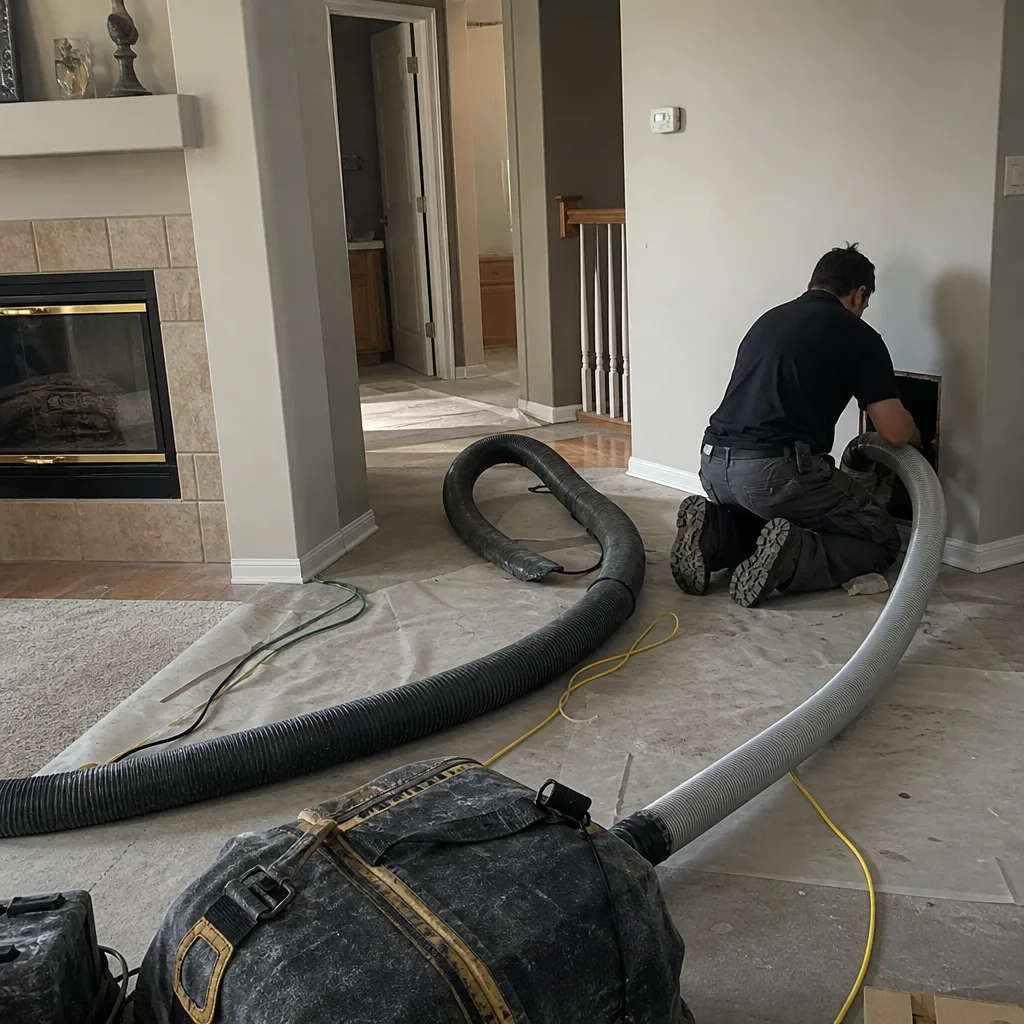 Before
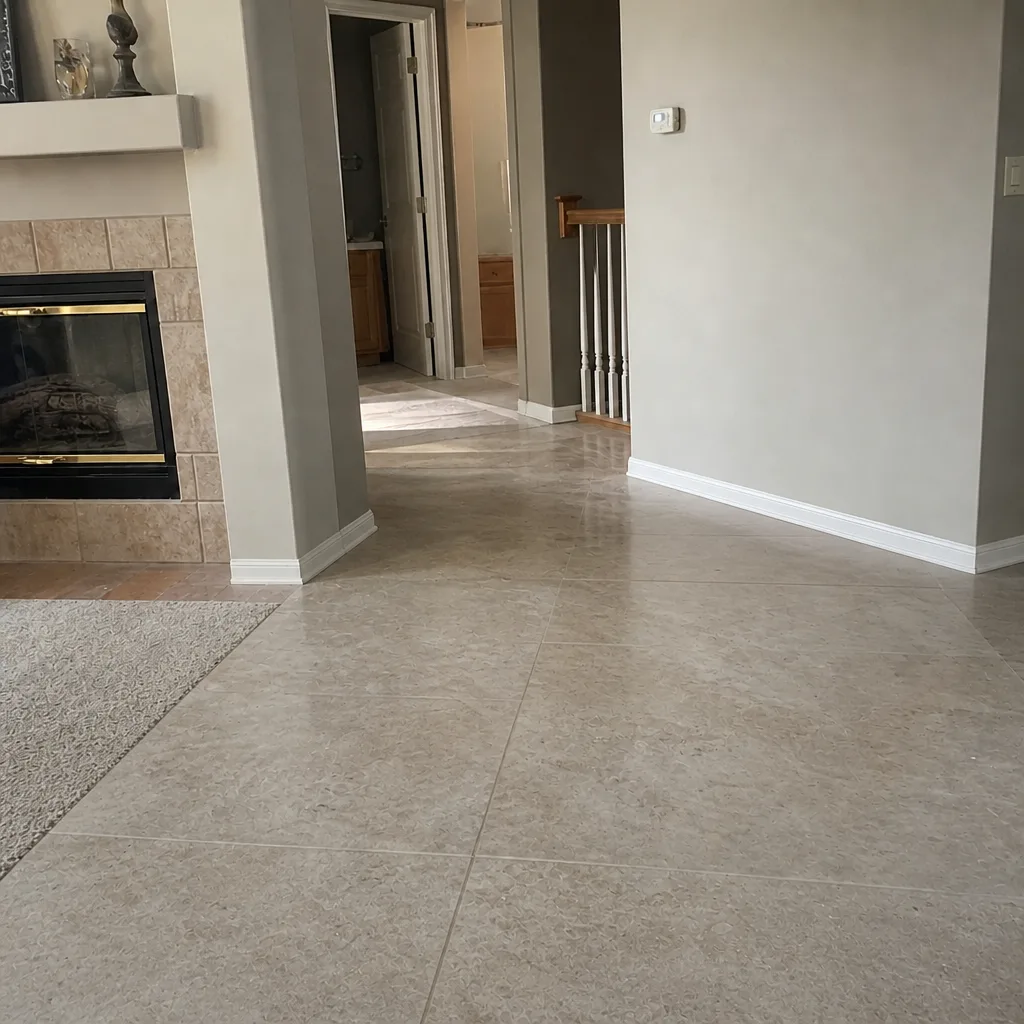 After
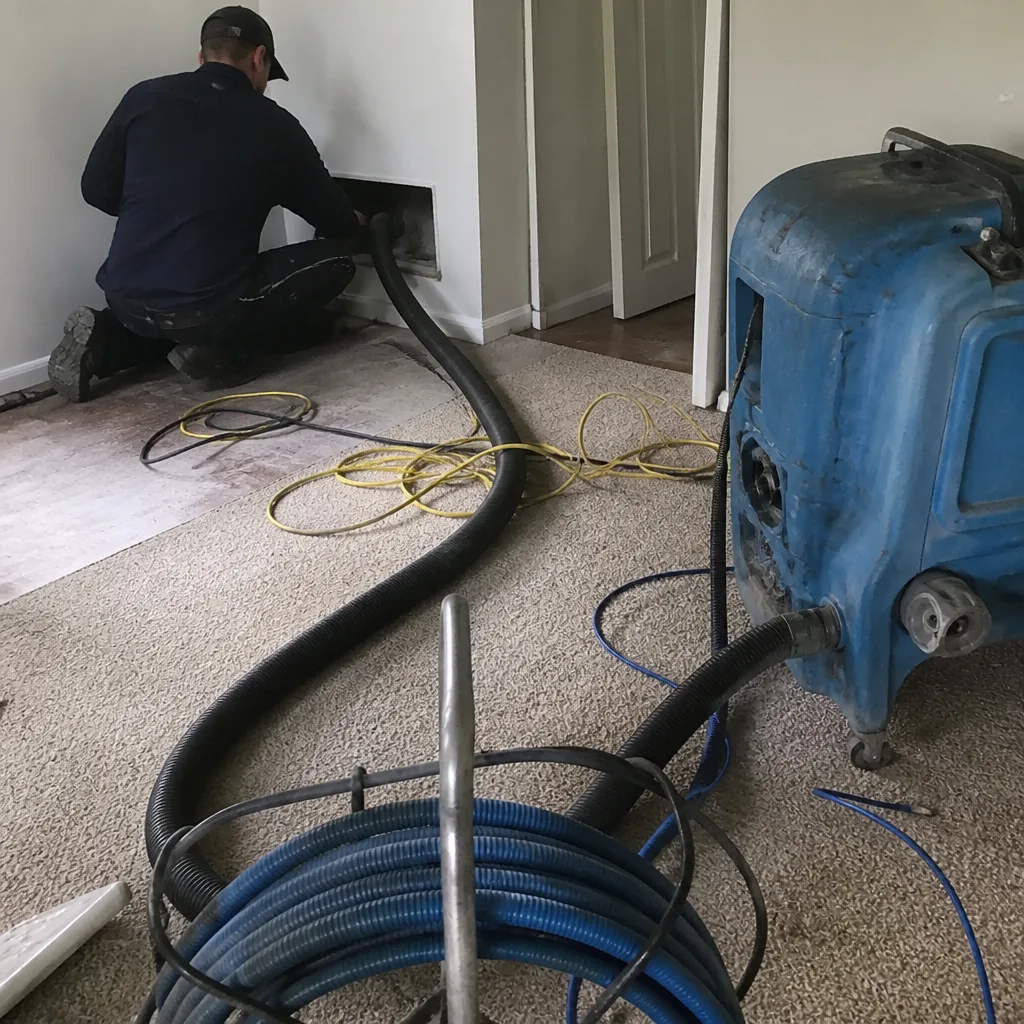 Before
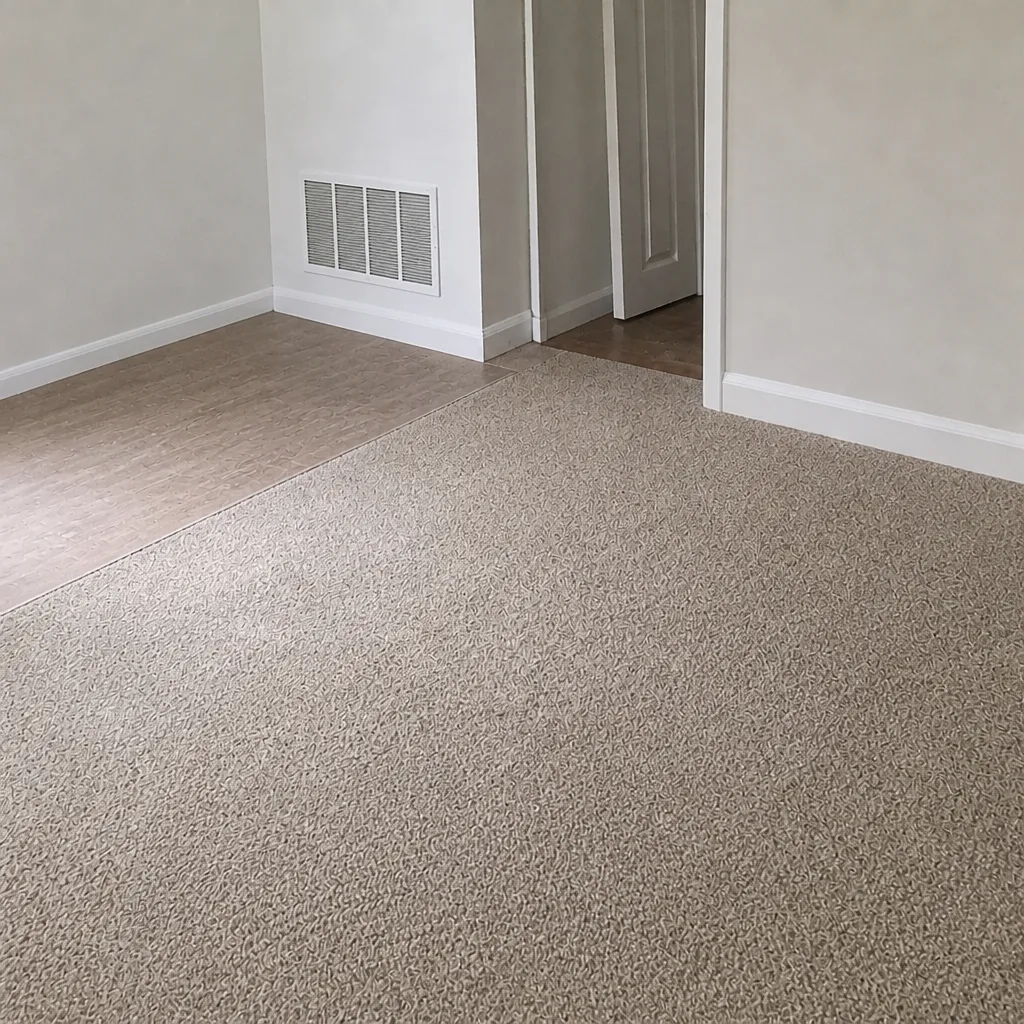 After
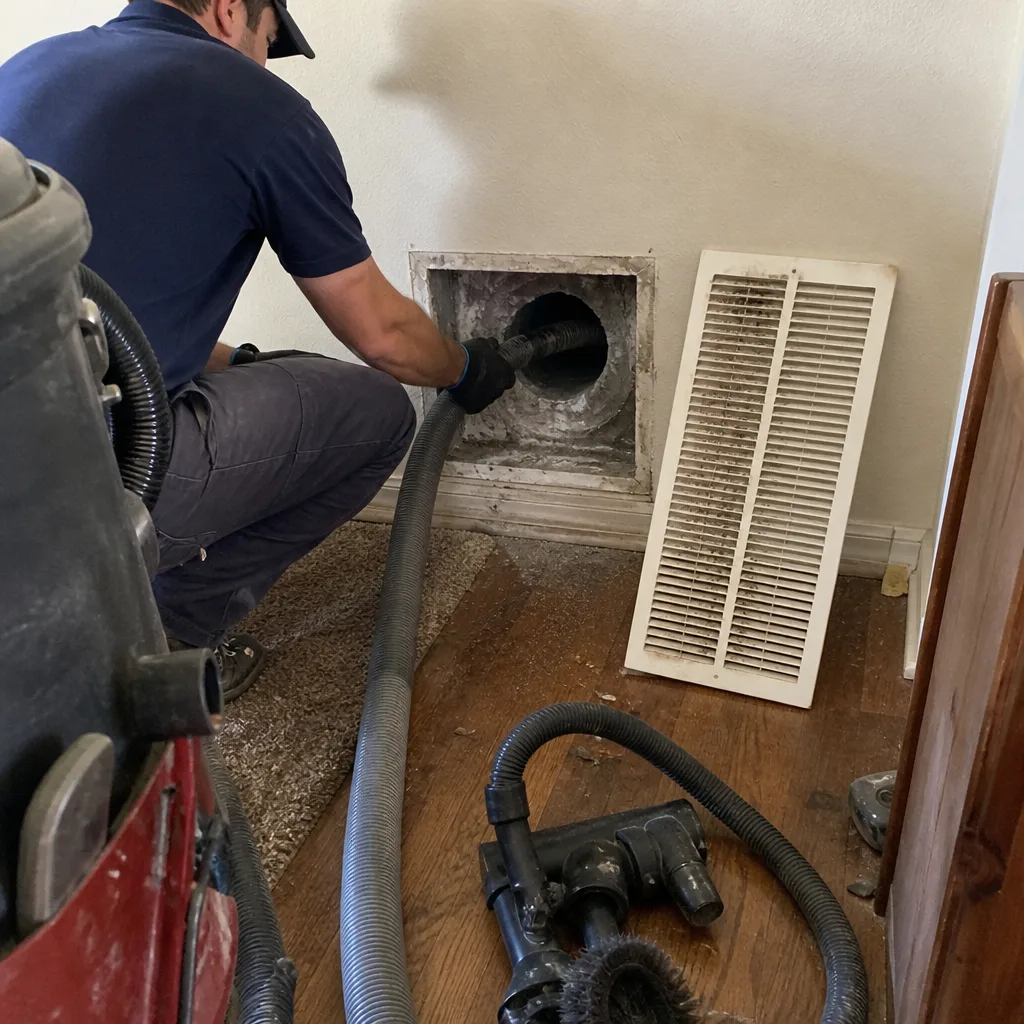 Before
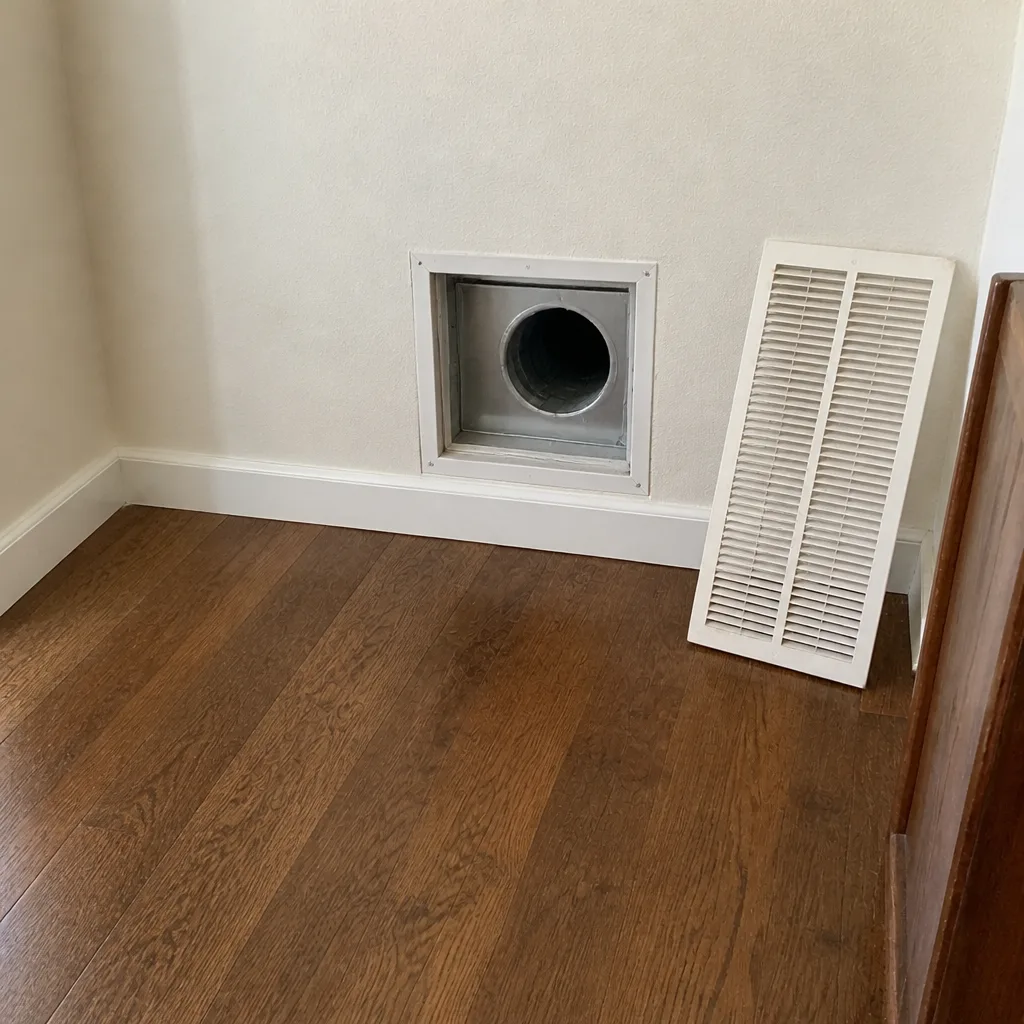 After
When to Call a Professional
Call a professional when you can’t remember the last time the ducts were cleaned, when a home inspection flags the HVAC system, or when a cleaning has turned up a problem beyond dust: disconnected runs, crushed flex duct, mold, heavy debris from a renovation, or air quality problems in a household with allergies or asthma. Call too when you’ve bought a Highlands Ranch home with unknown duct history and want a baseline report you can keep. Above all, don’t attempt duct modifications, cabinet work or equipment installs on your own; that’s the work where a permit path and a trained professional both matter, and where a misstep is costly. Highlands Ranch Air Duct Cleaning Pros offers free estimates in Highlands Ranch, and we’ll tell you plainly whether a job is maintenance or modification. Call (833) 513-8872. We answer 24/7. Fast dispatch from 7am to 7pm, Sunday through Friday.
Frequently Asked Questions
No. Air duct cleaning in Highlands Ranch is routine maintenance and does not require a permit from Douglas County, because cleaning doesn’t change the system. If the job expands into rerouting a duct, modifying the air handler cabinet or installing powered equipment, that work may need a permit and an inspection. Call (833) 513-8872 for an exact quote on the cleaning; estimates are free.
Work that alters the HVAC system generally requires a permit: rerouting or adding duct runs, enlarging an air handler access panel, installing UV lights or in-duct filtration, adding zoning or a new exhaust run, or replacing duct with a different size or material. Repairs that restore the system as-built usually don’t. When the line is unclear, ask Douglas County’s building department directly before work begins, and call (833) 513-8872 if you’d like us to walk through a specific job with you.
Pricing in this trade is set per job by a written estimate rather than per vent, and the estimate is free. A reputable company quotes one flat price for the whole system, agreed before work starts, with no teaser coupon that grows once a technician is on site. Call (833) 513-8872 for an exact quote on your home.
Cheap quotes usually buy less work: air-only pushing instead of rotary contact cleaning, no HEPA containment, no written report and no photos. The low number is real; it just doesn’t describe the same job. Ask what equipment is used and whether you’ll receive before-and-after photos of your own ducts, then call (833) 513-8872 for an honest whole-system estimate.
You get a written report and before-and-after photos of your own ducts, taken during the job. That record is also what supports an insurance conversation or a resale inspection later. Our technicians document every job this way, and our estimates are free; call (833) 513-8872 to book a walkthrough.
Most homes go several years between cleanings, and households with pets, allergies, asthma, recent renovations or a newly purchased home with unknown duct history tend to need it sooner. A disconnected trunk line, mold or heavy construction debris calls for a professional visit regardless of the calendar. Call (833) 513-8872 and we’ll help you decide whether now is the right time.
The Bottom Line
Cleaning your ducts in Highlands Ranch doesn’t need a permit; changing your duct system often does. Keep that split in mind and the permit question becomes simple: clean and repair in place, and get a permit and inspection for any rerouting, cabinet modification or new equipment install. Document every job, keep the paperwork with your home records, and choose a crew that uses source-removal equipment and gives you one flat price per system agreed in writing. That’s how a Highlands Ranch homeowner protects the air they breathe and the value of the house at resale. Our technicians have up to 14 years of experience, and our team handles the full air pathway from start to finish: Highlands Ranch Air Duct Cleaning Pros is the place to start, or call (833) 513-8872. We answer 24/7. Fast dispatch from 7am to 7pm, Sunday through Friday.
Written by the team at Highlands Ranch Air Duct Cleaning Pros.