
Last updated November 24, 2026
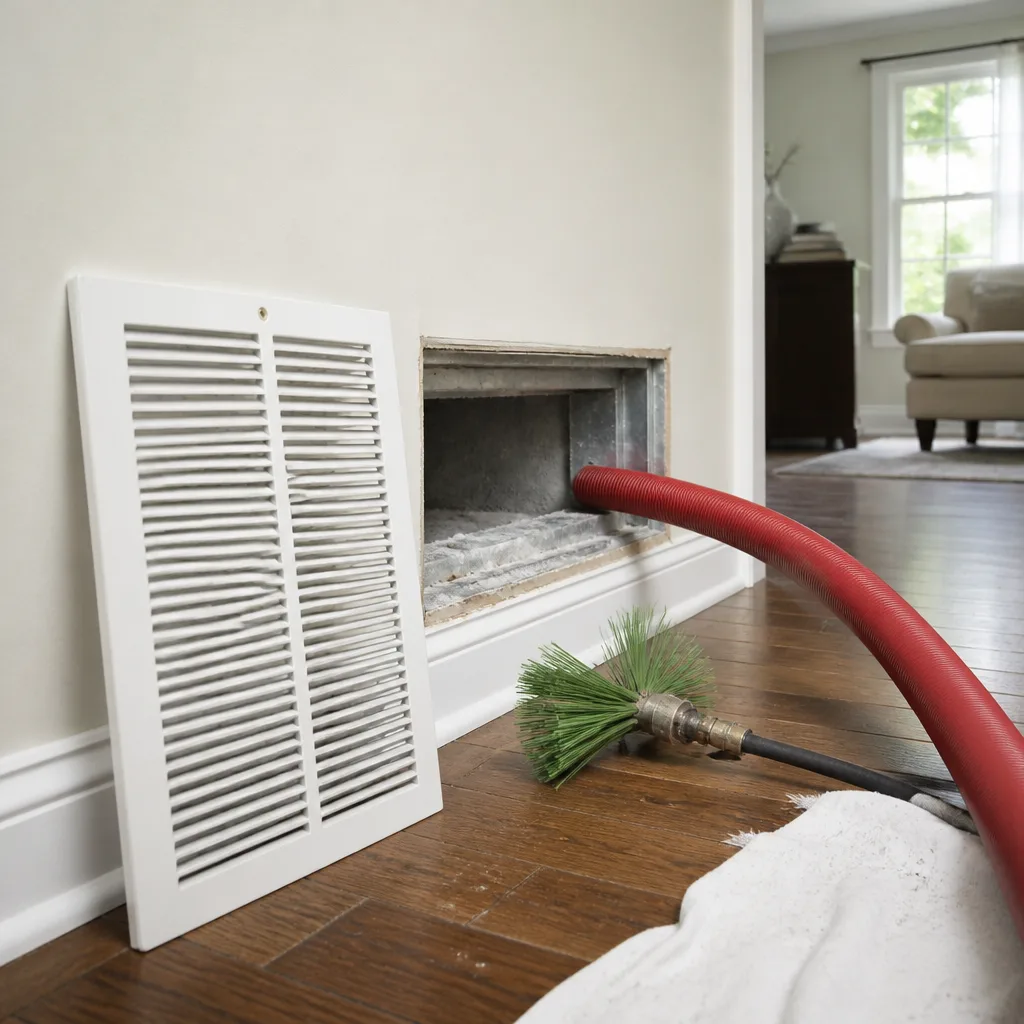 Whole-home duct cleaning
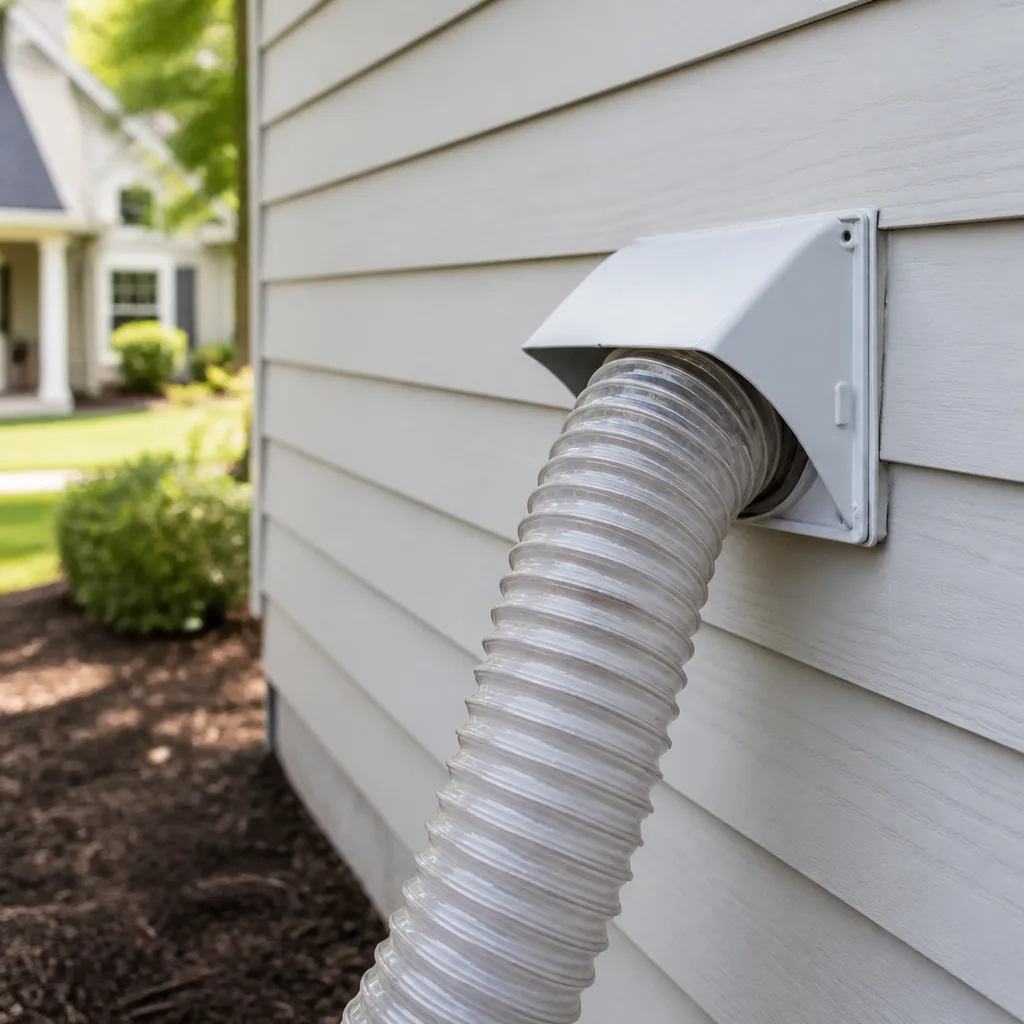 Dryer vent cleaning
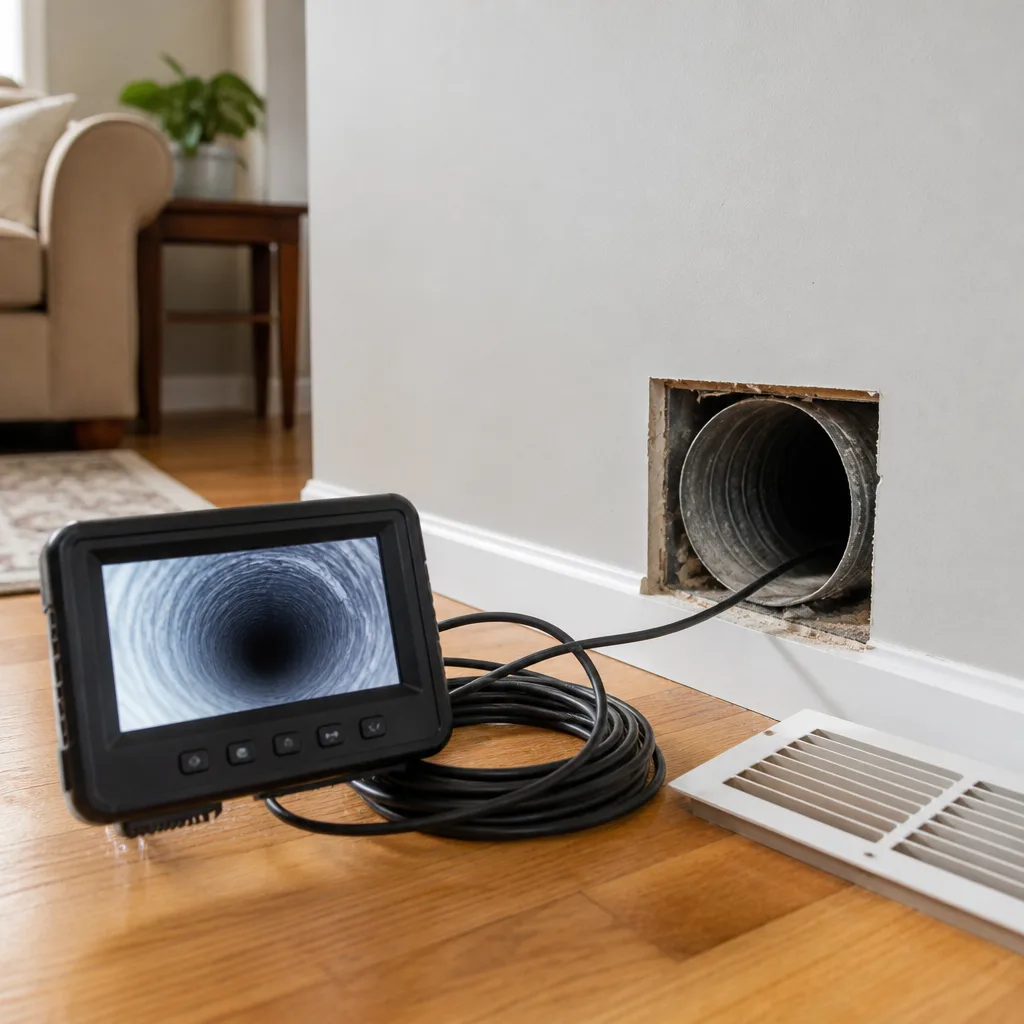 Camera inspection
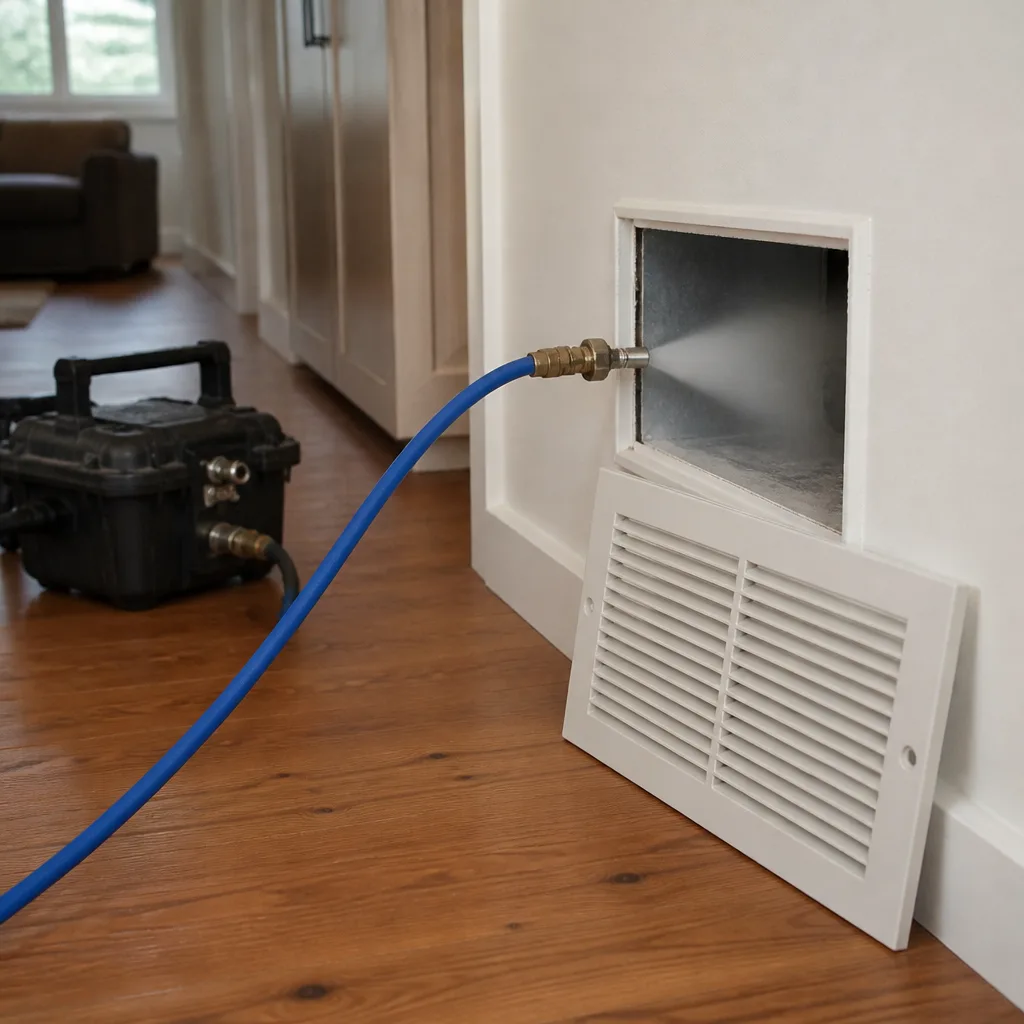 Sanitizing & deodorizing
Whole-system duct and dryer vent check with before-and-after photos - you see exactly what came out of your vents
That "$99 whole-house special" is a bait ad - the real number appears once they are in your hallway, or the "clean" is a shop-vac at the register. We photograph the inside of your ducts before and after instead.
Air Duct Cleaning Maintenance Checklist for Highlands Ranch Homeowners
If you changed your filter in January and haven’t looked at your return grilles since, there’s a good chance your ductwork is already redistributing what that filter was supposed to catch. Most homeowners treat duct cleaning as a one-time event, something you schedule once and forget. That’s the misconception worth correcting. Your air pathway is a working system that moves thousands of cubic feet of air through a Highlands Ranch home every day, and it collects whatever that air carries. The rhythm of maintenance is what keeps it clean. This guide gives you a dated, task-by-task checklist tied to the local calendar, so you know what to check, what to log, and when a small issue should move from “next quarter” to “call now.”
Quick Answer
A complete duct maintenance checklist for Highlands Ranch runs on three cycles: monthly (filter and grille visual checks), quarterly (deeper register inspection and a written condition log), and annual (professional contact cleaning plus a system-wide inspection). The single most important habit is logging what you see each time, so any contractor can compare the current state of your ducts to your own baseline instead of guessing. If you notice visible debris, musty odors, or airflow drops between scheduled cleanings, escalate immediately rather than waiting for the calendar.
Styles & brands we work with
- Whole-home duct cleaning
- Dryer vent cleaning
- Camera inspection
- Sanitizing & deodorizing
Table of Contents
- Monthly Tasks: The Ten-Minute Habit
- Quarterly Tasks: Go Deeper and Start Logging
- Annual Tasks: The Professional Cleaning Cycle
- How to Inspect Grilles and Registers Without Tools
- Building a Duct Condition Log That Actually Helps
- When Sanitizing Belongs in the Cycle (and When It Doesn’t)
- Red-Flag Conditions That Override the Calendar
- Seasonal Timing for the Highlands Ranch Climate
Monthly Tasks: The Ten-Minute Habit
The monthly check is the least glamorous part of duct maintenance and the one that saves the most money over time. You don’t need tools. You need ten minutes and a habit of looking. Set a recurring reminder on your phone for the same day each month and work through the same short list every time. Consistency is what turns a glance into a record you can actually compare year to year.
- Pull and inspect the filter. Hold it up to a light source. If you can’t see light through it, it’s done regardless of what the packaging says about its rated life. Write the date on the edge with a marker before you reinstall it.
- Look at each return grille. A quick visual sweep catches dust buildup on the face of the grille, which tells you what’s happening behind it.
- Check supply registers for airflow. Hold your hand near a few supply registers around the house. Notice if any feel noticeably weaker than the others.
- Sniff the air near returns. A faint musty or dusty smell near a return is an early signal worth noting.
- Jot one line in your log. Date, filter condition, airflow notes, any smells. That’s it.
In Highlands Ranch, the filter interval deserves special attention because the heating season runs long and the cooling season pulls in dry, dusty outside air during the summer months. Homes near the foothills get more wind-driven dust than the flatland neighborhoods, so a filter that lasts three months in one part of town may need changing sooner in another. There’s no universal number. Let what you see decide, and log it so you build your own local pattern. If you’d rather hand the whole cycle to a professional, our air duct cleaning service handles the deep end of the work and can set a realistic baseline for your home.
Quarterly Tasks: Go Deeper and Start Logging
Once a quarter, spend a little more time on the system and a little more attention on what the monthly checks have been telling you. The quarterly pass is where you catch the gradual stuff: slow dust accumulation on the vanes of a register, a filter brand that isn’t holding up, a run of ductwork that always seems to collect more than the rest. This is also when you start building the log that any future contractor will thank you for.
- Remove and clean a few grilles. Most residential return and supply grilles lift off or unclip without tools. Rinse them in a sink or wipe them down, let them dry, and reinstall. Note which ones were dirtiest.
- Look into the duct with a flashlight. With the grille off, shine a light down the visible run. You’re looking for loose dust, debris, or anything unusual, not a spotless interior. Sheet metal ducts always show some film.
- Note the pattern. Are the same two or three registers always the grubby ones? That’s useful information. It tells you where the system is doing the most work.
- Photograph the clean grille and the visible duct interior. Save the photos in a dedicated folder on your phone with the date in the filename. This is the baseline that makes future comparisons possible.
- Check your log for drift. Review the last three months. Is airflow getting weaker? Is the filter clogging faster? Both are reasons to schedule a professional look sooner than the annual cycle.
Quarterly is also a natural time to walk the exterior of your HVAC equipment and confirm nothing has been knocked loose or blocked, and to glance at the dryer vent run if it’s accessible. Dryer vents are a separate but related part of the air pathway, and they clog on their own schedule. If you haven’t had the vent cleared in a while, that’s a job for a professional rather than a homeowner project. Learn more about what a proper clearing involves on our dryer vent cleaning page.
Annual Tasks: The Professional Cleaning Cycle
Once a year, the checklist moves from homeowner observation to professional contact cleaning. This is the one task on the list you can’t replicate with a vacuum from the garage. Contact cleaning means physically agitating debris from the duct walls with a rotary brush while a negative-air vacuum captures what comes loose at the source. It’s the difference between a duct that looks clean from the grille and a duct that’s actually clean inside the run.
When you book a yearly professional visit, here’s what a thorough job should include:
- A whole-system scope. Every supply and return run, not just the ones the technician can reach easily from a hallway.
- Rotary contact cleaning. A brush-and-vacuum system that agitates the duct walls rather than relying on air alone. Air-only or “blow-and-go” methods move debris around without removing it.
- HEPA-rated negative-air containment. Equipment that captures dislodged particulates and holds them rather than recirculating them into the room. This is standard practice in professional indoor air quality work.
- Before-and-after documentation. Photos of your ducts, not stock images. Ask to see the interior of a run before the brush goes in and after.
- A system-wide inspection. Duct seams, joints, and connections checked for gaps, plus the air handler and coil checked for debris accumulation. Our HVAC cleaning service covers the equipment side of this if it’s been a while.
- A written summary. What was found, what was done, and what to watch for before the next visit.
Professional-grade equipment is the part of the annual visit you can actually verify. A crew using a proper rotary brush system, a HEPA vacuum, and negative-air containment is set up to remove debris rather than push it around. Our technicians have up to 14 years of experience, and we run Rotobrush rotary contact cleaning with Nikro HEPA vacuum systems on every job. When a job involves heavier debris or post-remediation work, Abatement Technologies containment equipment is on hand. That’s the standard worth asking about when you compare any quote in Highlands Ranch.
How to Inspect Grilles and Registers Without Tools
You can inspect every grille and register in a typical home in about ten minutes, and you don’t need a screwdriver. This matters because grilles are your window into the ductwork. What you see at the face of the grille often mirrors what’s happening further in, and grilles themselves collect dust that a system-level cleaning doesn’t address.
Start with the visible face of each grille. A light film of dust is normal. A thick mat of dust, or dust that’s dark rather than gray, is worth noting. Then run your finger along the inside edge of the grille frame. You’re feeling for grit and buildup. Next, if the grille lifts off easily, remove it and look down into the visible duct run with a flashlight. You’re looking for loose debris, visible buildup on the walls, or anything that looks like it doesn’t belong. Do not reach into the duct or attempt to clean inside it yourself. Leave the interior to the equipment.
Walk every room and note the condition of each grille on a simple sheet of paper or in a notes app. Mark the ones that look worse than the others. Over time, a pattern will emerge, and that pattern tells you something about how your system distributes air. In many Highlands Ranch homes, the return registers nearest the main living areas collect the most, simply because that’s where the household spends the most time. Knowing which registers are the high-traffic ones helps you set realistic expectations for how often the system needs attention.
One more thing: check the placement of your furniture. A sofa pushed against a return grille blocks airflow and makes the grille look worse than it is. A rug over a supply register does the same. These are easy fixes you can make on the spot, and they make the rest of your inspection more accurate.
Building a Duct Condition Log That Actually Helps
The single biggest gap between a homeowner who maintains their ducts well and one who doesn’t is the log. Without a record, every decision starts from zero and every contractor is guessing. With a log, a technician can compare the current state of your system to a real baseline and tell you whether things are getting worse, holding steady, or improving. It takes about two minutes a month to keep, and it’s the most useful thing you can do between professional cleanings.
A workable log needs five columns. You don’t need a spreadsheet, though one makes comparison easier.
- Date. Every entry, every time.
- Task performed. Filter change, grille clean, flashlight check, professional visit.
- Condition observed. A short description. “Filter gray, no airflow restriction” beats “fine.”
- Photo reference. Save dated photos in the same folder every time and note the filename in the log.
- Action taken or needed. What you did, and what you’re planning to do next.
Bring the log to every professional visit. A technician who can see your dated photos and notes will spend less time establishing the baseline and more time on the actual work. They can also spot trends you might miss, like a filter that’s been clogging progressively faster or a run of ductwork that always photographs with more dust than the rest. If you want a second opinion on what the log shows, our team at Highlands Ranch Air Duct Cleaning Pros can walk through it with you and give you a straight read on whether the system needs cleaning, repair, or nothing at all.
One caution about the log: don’t outsource it entirely to memory. A homeowner who “knows” the filter was changed recently is often wrong by two or three months. The log settles the question. Write it down when you do the task, not after.
When Sanitizing Belongs in the Cycle (and When It Doesn’t)
Sanitizing is one of the most over-sold services in this trade, and homeowners are right to be skeptical. The honest answer is that sanitizing belongs in the cycle for specific conditions and is unnecessary for routine maintenance. A cleaning that removes the debris is doing the primary job. A sanitizing treatment on top of that is a targeted step, not an automatic add-on.
Here’s how to think about it. Sanitizing is worth considering when there’s a known reason to reduce microbial load in the air pathway: a musty smell that persists after cleaning, visible organic growth, or a household with a family member who has significant respiratory sensitivity. Those are the conditions where a targeted treatment earns its place. Sanitizing is not worth adding to a routine cleaning just because it’s offered as an upsell. If the ducts are clean and dry and there’s no smell or visible growth, the cleaning did its job.
If you’ve had a water intrusion event, storm damage, or a pest issue in the ductwork, that’s a different category. Those scenarios call for a more involved approach, with proper containment equipment and a full cleanup before any sanitizing step. That’s where professional-grade equipment matters. Abatement Technologies containment is built for jobs that need containment beyond routine cleaning. A crew that’s only equipped for a basic vacuuming can’t handle that work properly, and you shouldn’t ask it to.
The rule of thumb for Highlands Ranch homeowners: schedule sanitizing when a specific condition calls for it, not on a calendar. Ask the crew why they’re recommending it. A straightforward answer tied to something you can see or smell is a good sign. A vague answer that leans on “it’s good practice” is a reason to hold off and ask more questions. We’re happy to walk through that decision with you without pressure, and we’ll tell you when a step is unnecessary for your home.
Red-Flag Conditions That Override the Calendar
The checklist runs on a schedule, but some conditions move to the top of the list the moment they show up. Knowing the difference between “note it and keep going” and “call now” is what keeps a small problem from turning into a system-level issue. Here are the red flags that override the calendar in our experience.
- Visible mold or dark organic growth on the duct interior or grille. This is not a routine cleaning task; it needs proper containment and a professional assessment before anyone touches it.
- A persistent musty or acrid smell that doesn’t fade when the system runs. Smells often point to moisture or an organic source, and both deserve a professional look rather than a plugin air freshener.
- A sudden, significant drop in airflow to one area of the home. This can mean a disconnected or crushed duct run, and a crushed run is a repair job, not a maintenance task.
- Visible debris blowing out of a supply register when the system turns on. If you’re seeing particles come out of a supply, the duct interior is compromised or badly loaded, and cleaning is overdue.
- Water intrusion or storm damage affecting the ductwork. This is a containment-and-remediation scenario, and it should be handled by a crew with the right equipment.
- Pest activity in the ductwork. Droppings, nesting material, or a rodent smell means the air pathway has a contamination problem that simple cleaning doesn’t address.
- Recent renovation or a newly purchased home with unknown duct history. Both are reasons to schedule a professional cleaning before living with the system, regardless of what the calendar says.
If any of these show up, don’t wait for the next scheduled cycle. The earlier a professional sees the system, the more options you have. For the routine end of the list, the annual cycle is genuinely enough. For the red-flag end, it isn’t, and treating it as routine can make the problem worse.
Seasonal Timing for the Highlands Ranch Climate
The Highlands Ranch climate puts specific seasonal pressures on ductwork that a generic checklist misses. The heating season is long and dry, which drives static and dust accumulation. The summer cooling season pulls in dry outdoor air with its own load of airborne particles. Between the two, the system is moving air almost year-round, and the filter and grille checks need to track that rhythm rather than a fixed quarterly schedule.
A workable seasonal frame for Highlands Ranch:
- Before heating season starts. Change the filter, do a full grille and register inspection, and update the log. This is the best time to schedule the annual professional cleaning so the system starts the heating season clean.
- Mid-heating season. Check the filter more often than usual. The dry, static-heavy air during the heating months can load a filter faster than the packaging suggests.
- Before cooling season starts. Another filter change, another walk of the registers, and a look at the exterior HVAC equipment for any winter debris.
- Mid-cooling season. Watch for pollen and dust infiltration, especially if you keep windows open during the mild spring and fall. Check the filter on schedule and note anything unusual in the log.
- Post-renovation or post-move. Schedule professional cleaning regardless of season. Construction dust and unknown history both warrant a fresh start.
The seasonal frame isn’t meant to be rigid. Homes near the open space and foothill edges of Highlands Ranch tend to get more wind-driven dust, and households with pets or a family member with allergies typically need to shorten the intervals. Let the log drive the schedule. If the pattern shows the filter loading fast, shorten the filter interval. If the grime concentrates at particular registers, note it and mention it at the next professional visit. The schedule serves the home, not the other way around.
Common Mistakes to Avoid
- Treating the filter rating as the whole maintenance plan. A good filter catches what reaches it, but it doesn’t clean the duct walls, and the walls are where debris accumulates. Filter changes and duct cleaning do different jobs.
- Skipping the log. Without a written record, every visit starts from zero and nobody can tell whether the system is getting better or worse. The log is the whole point of a maintenance rhythm.
- Adding sanitizing to every cleaning. It’s a targeted step for specific conditions, not an automatic add-on. Ask why it’s being recommended and expect an answer tied to something concrete.
- Leaving furniture and rugs over registers. A blocked register distorts every reading you take during inspection and shortchanges the rooms that need airflow most.
- Hiring on the per-vent price. Per-vent pricing rewards the contractor for doing more vents and says nothing about whether the job is thorough. Ask for a whole-system scope and before-and-after photos instead.
- Ignoring a musty smell until the annual cleaning. A persistent smell is a red flag that should trigger a call regardless of the calendar. Waiting can turn a simple fix into an involved cleanup.
- Forgetting the dryer vent. It’s part of the air pathway, it clogs on its own schedule, and it’s often the most overlooked maintenance item in the house. Schedule it alongside the annual duct visit rather than in a separate year.
See the difference
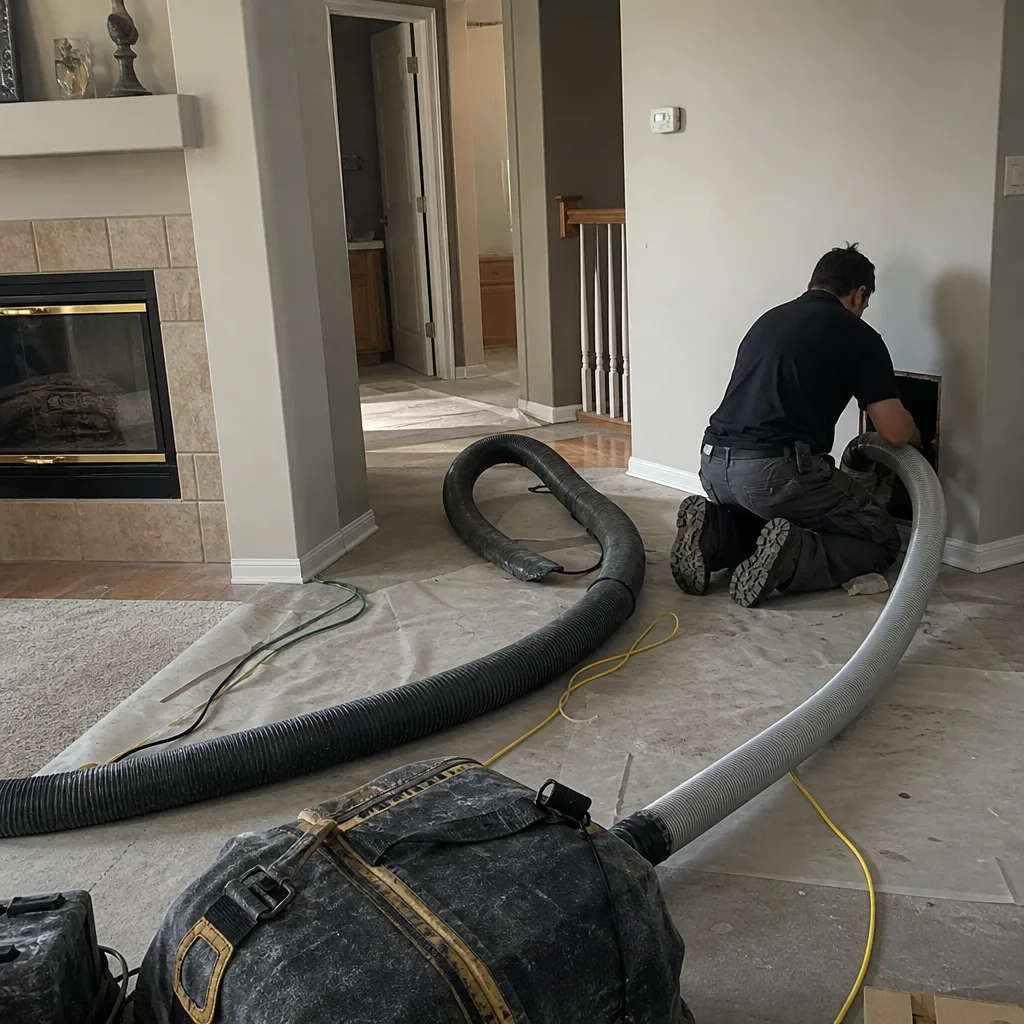 Before
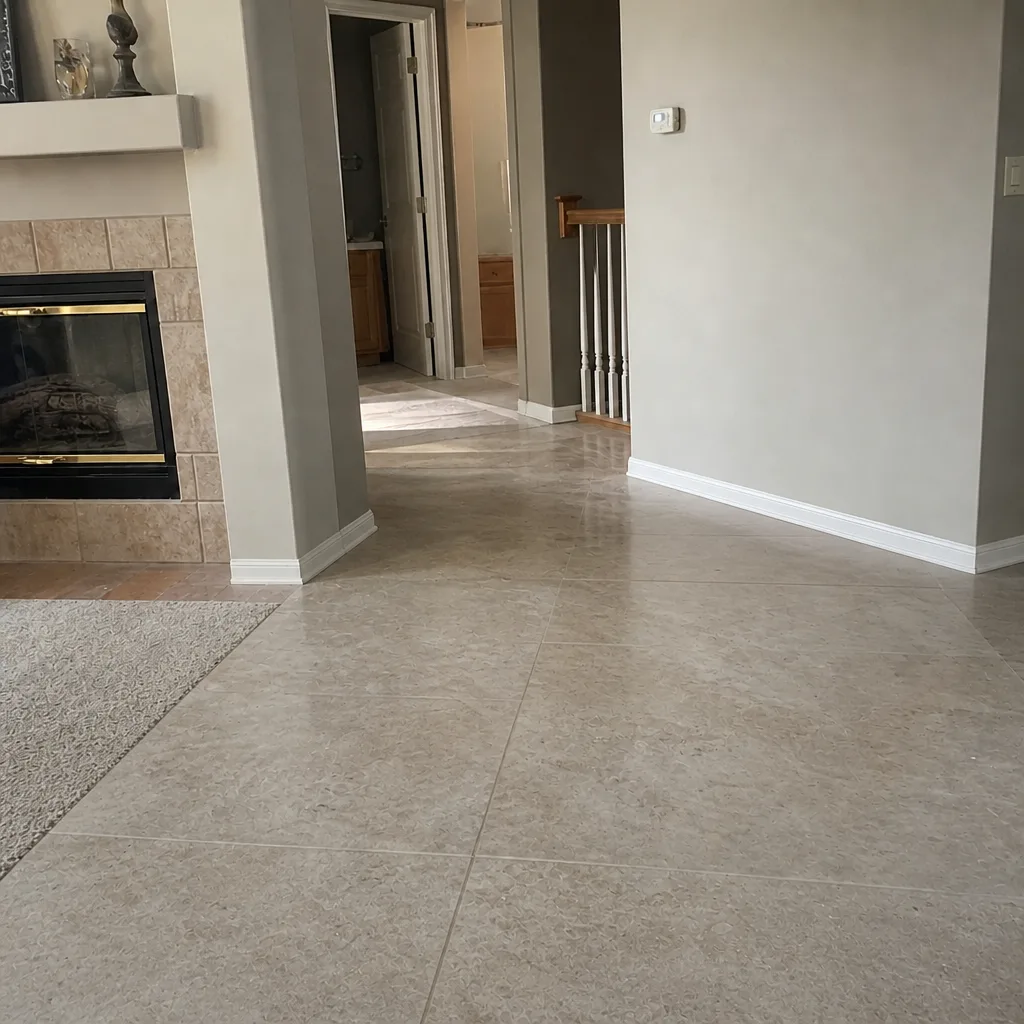 After
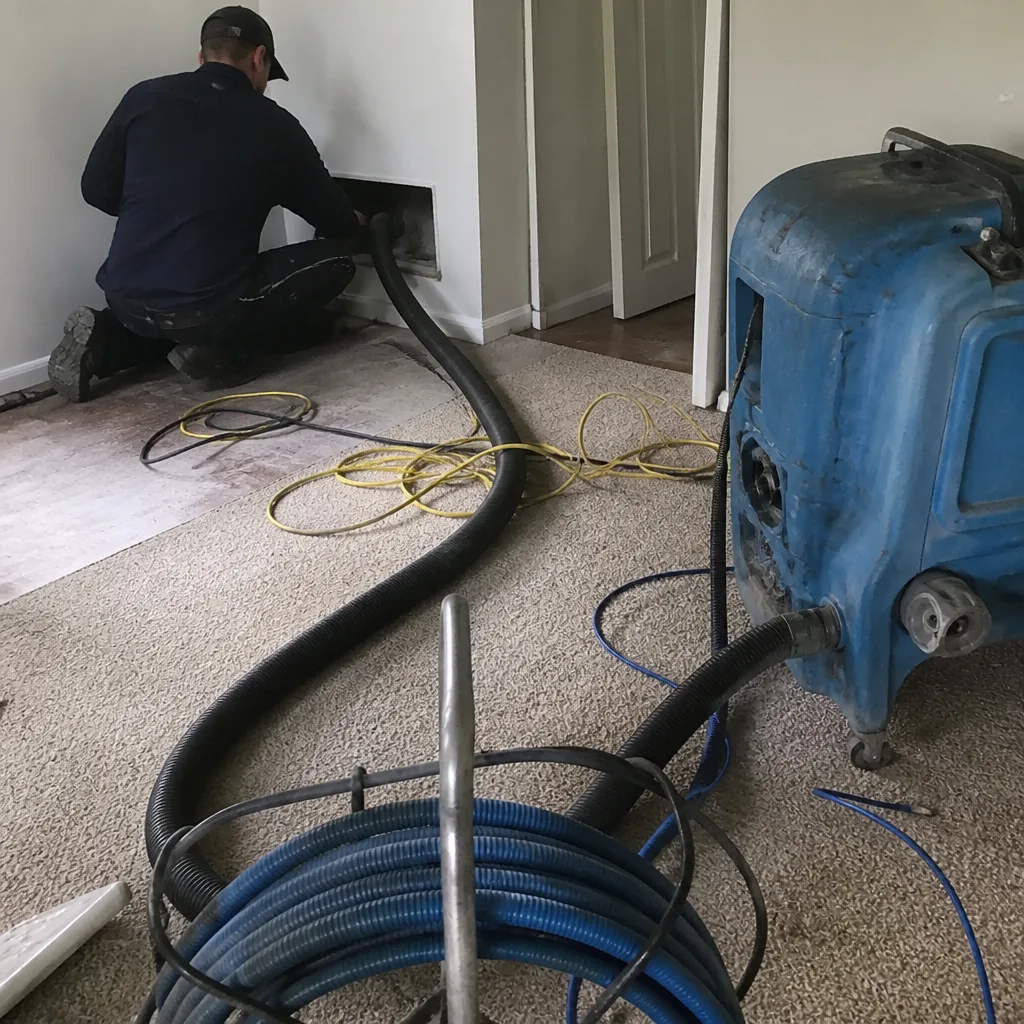 Before
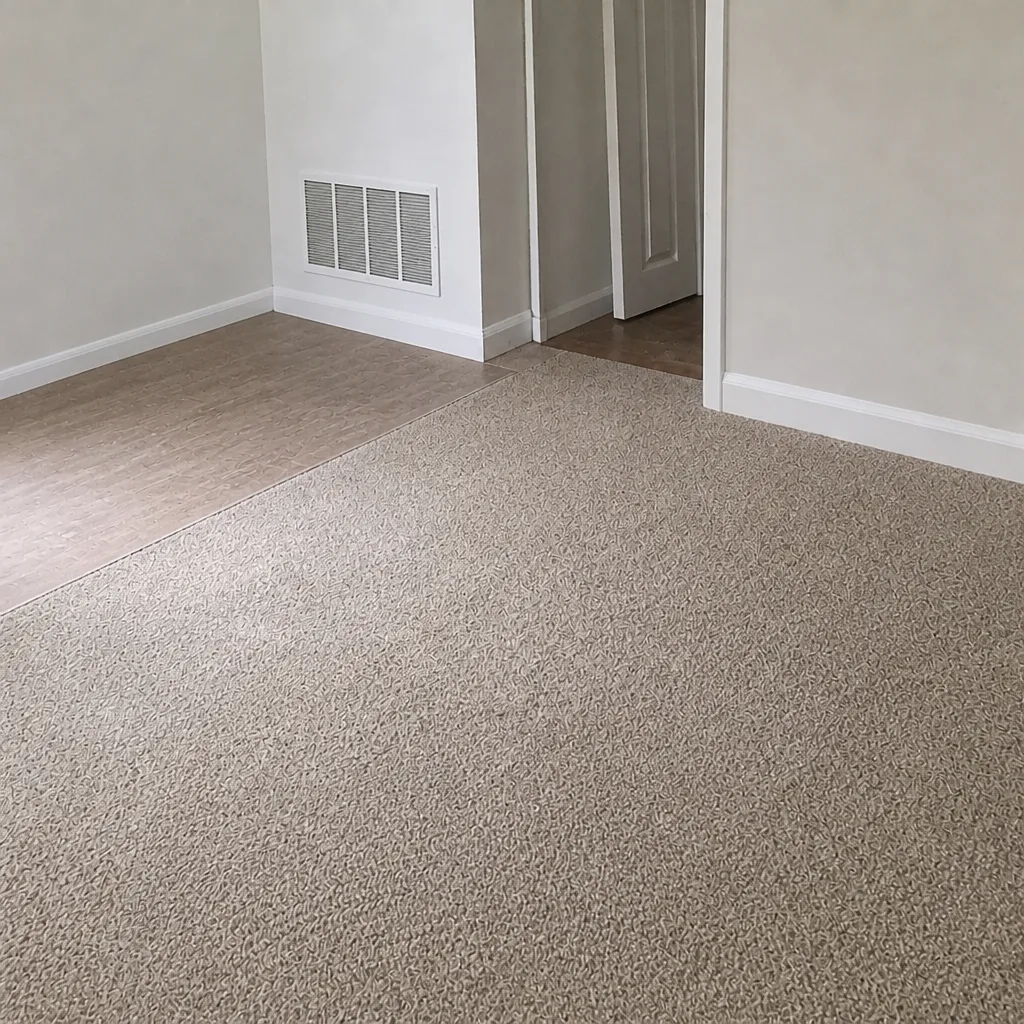 After
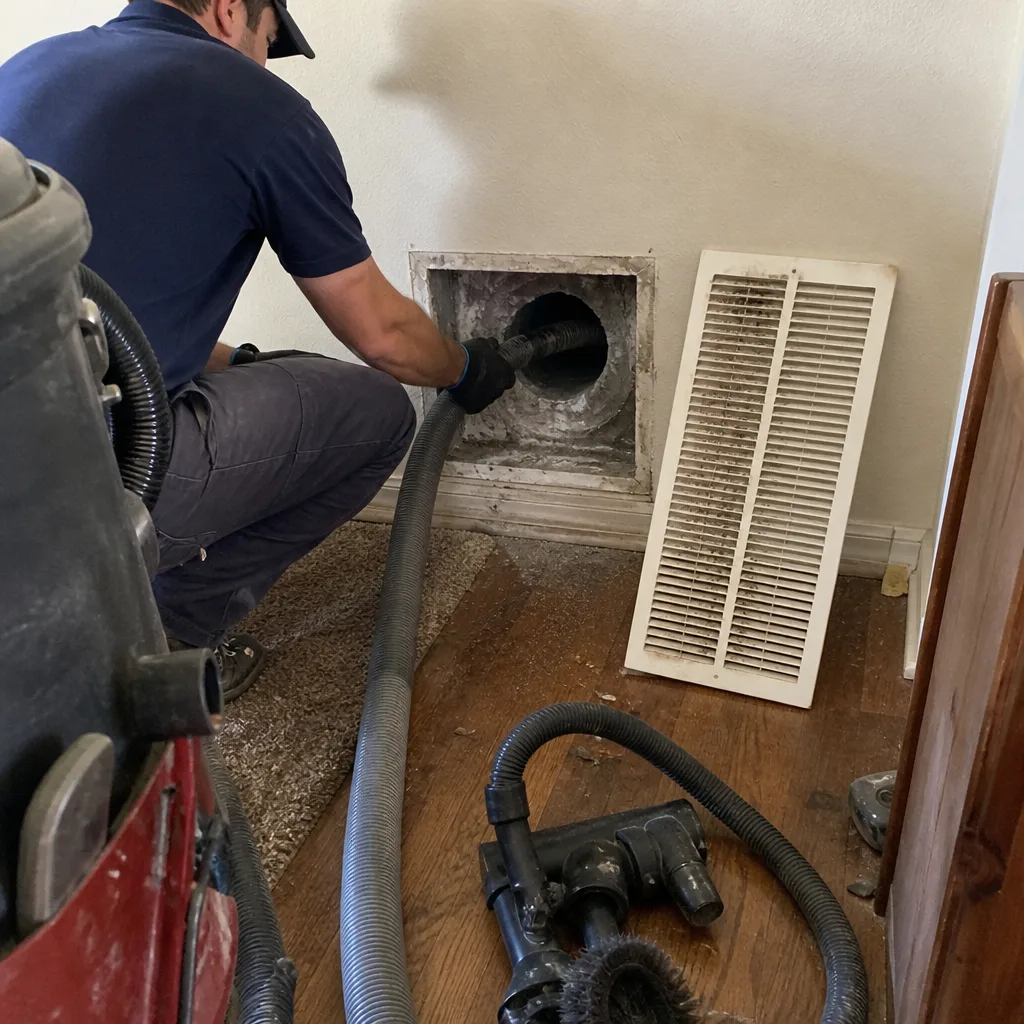 Before
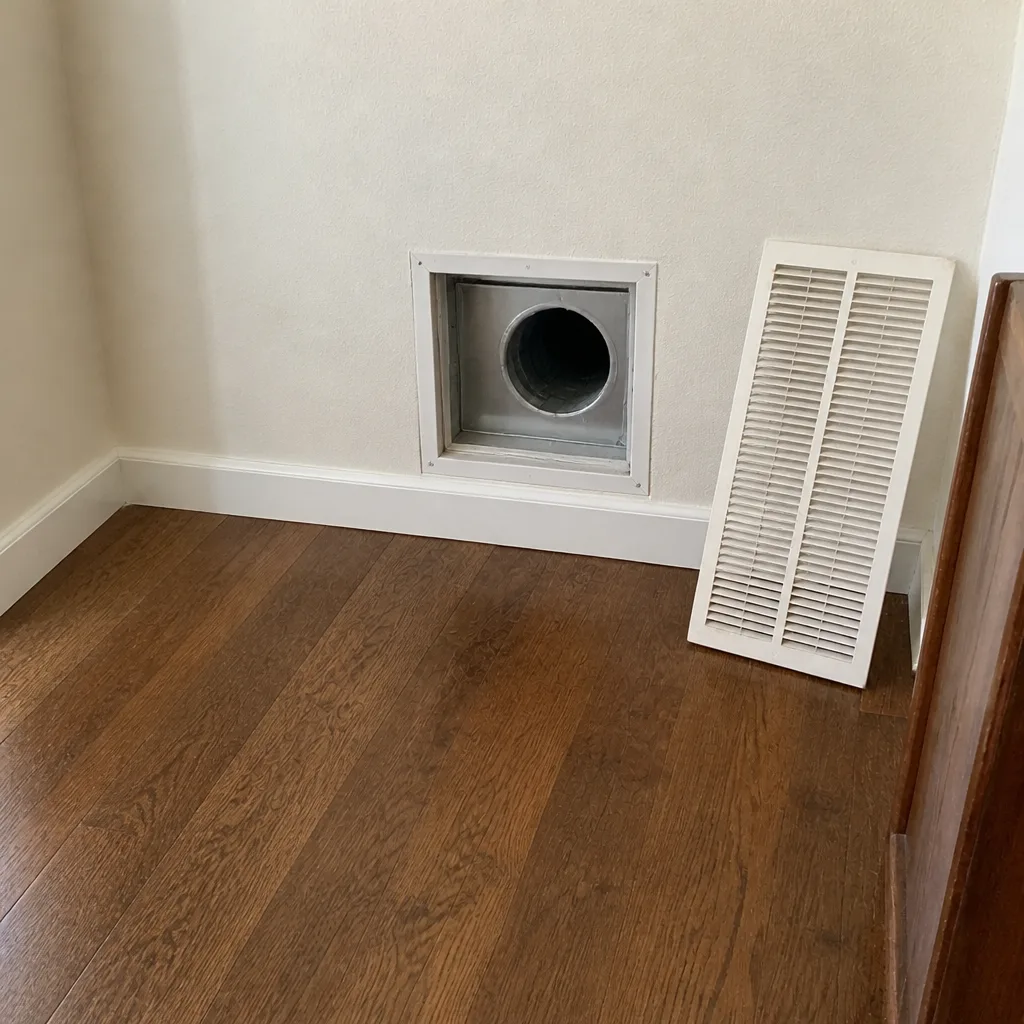 After
When to Call a Professional
Call a professional when the checklist surfaces something you can’t handle with a filter change and a grille wipe. Visible mold or organic growth in the ductwork, a persistent musty smell, a sudden air-flow drop to one part of the house, debris blowing out of a supply, pest activity, water intrusion, or a recent renovation are all reasons to schedule a visit. A newly purchased Highlands Ranch home with unknown duct history is its own reason. And the annual professional cleaning is itself a scheduled call, not something to put off indefinitely. When the checklist reaches the end of its cycle, the professional visit is the next item on it.
Highlands Ranch Air Duct Cleaning Pros offers free estimates in Highlands Ranch. Call (833) 513-8872. We answer 24/7. Fast dispatch from 7am to 7pm, Sunday through Friday. We’ll give you a straight read on whether your system needs cleaning, repair and sealing, or filtration upgrades, and one flat price per system agreed before any work starts.
Frequently Asked Questions
Most Highlands Ranch homes do well with a professional contact cleaning once a year, plus monthly filter and grille checks in between. The interval shortens for households with pets, family members with respiratory sensitivity, recent renovations, or a home with unknown duct history. The log you keep between visits is the real guide. If your log shows faster accumulation, shorten the interval. If you want a second opinion, call (833) 513-8872 for a free estimate.
Ask for before-and-after photos of your own ducts, not stock images, and look for a written summary of what was found and what was done. A thorough job also means rotary contact cleaning with the duct walls physically agitated, not just air moved through the system. If a contractor can’t show you photos of your specific runs, that’s a reason to ask more questions before booking.
Cheap quotes usually reflect a smaller scope and lighter equipment: air-only methods that move debris around rather than contact cleaning that removes it, fewer runs covered, or a per-vent price that rewards quantity over thoroughness. The honest comparison is the whole-system scope, the equipment used, and whether before-and-after documentation is included. A per-duct price tells you almost nothing. Ask what the number covers and get it in writing. Call (833) 513-8872 for a free, whole-system estimate.
Yes, and it takes about two minutes a month. A log lets any contractor compare the current state of your system to a real baseline instead of guessing, which means faster, more accurate decisions about whether cleaning, repair, or nothing at all is needed. Dated photos and short written notes are enough. The log is often the most valuable maintenance record a homeowner keeps.
No. Sanitizing is a targeted step for specific conditions: a persistent musty smell after cleaning, visible organic growth, or a household with significant respiratory sensitivity. On a clean, dry, odor-free system, routine cleaning did the primary job and sanitizing adds little. Ask the crew why they’re recommending it and expect a specific answer. We’ll tell you when a step is unnecessary for your home.
Contact cleaning physically agitates debris from the duct walls with a rotary brush system while a HEPA-rated negative-air vacuum captures what comes loose at the source. A regular vacuum at the grille reaches only what’s near the opening and can’t clean the inside of a run. The difference is between a duct that looks clean from the register and a duct whose interior is actually clean.
The Bottom Line
Duct maintenance in Highlands Ranch is a rhythm, not an event. Monthly filter and grille checks take ten minutes. Quarterly inspections and a written log build the baseline that makes future decisions accurate. The annual professional contact cleaning is the anchor, and it’s the one task you can’t replicate with homeowner equipment. Keep the log, know the red flags, and treat sanitizing as a targeted step rather than an automatic add-on. If any red flag shows up between visits, call before the next cycle. That’s the whole checklist in one sentence, and following it is what keeps your air pathway genuinely clean rather than just looking that way.
When you’re ready to book the professional end of the cycle, call Highlands Ranch Air Duct Cleaning Pros at (833) 513-8872 for a free estimate. We use Rotobrush rotary contact cleaning and Nikro HEPA vacuum equipment on every job, and we’ll pair cleaning with filtration or humidity upgrades from Honeywell and Aprilaire when the system actually needs them. One crew, start to finish. One flat price per system agreed before work starts.
Written by the team at Highlands Ranch Air Duct Cleaning Pros.